15 DIY Plant Stand Ideas to Elevate Your Greens
Transform your home with 15 creative DIY plant stand ideas. Easy tutorials for wooden, metal, and upcycled stands to showcase your indoor garden beautifully.
Is your plant collection taking over every surface in your home? You're not alone! As plant parents, we often find ourselves running out of space while our green family keeps growing. But here's the thing: creating vertical gardens and stylish displays doesn't require expensive store-bought solutions. DIY plant stands offer the perfect blend of functionality and personal style, turning your leafy friends into living art pieces. Whether you're working with a tiny apartment or a spacious home, these creative solutions help you maximize space while adding character to your decor. From repurposed ladders to minimalist wooden designs, each project brings its own charm. Ready to give your plants the spotlight they deserve? Let's explore 15 amazing DIY plant stand ideas that'll elevate your indoor jungle to new heights!
1. Mid-Century Modern Wooden Plant Stand
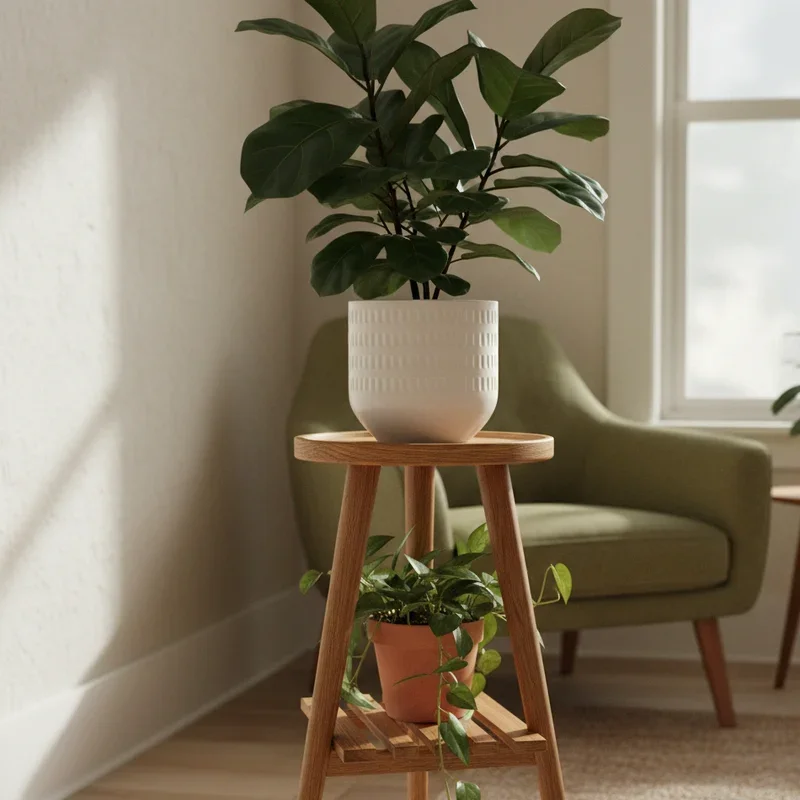
Who says you need to spend hundreds on designer furniture? This sleek wooden plant stand brings that coveted mid-century vibe without breaking the bank. You'll need wooden dowels, a round wooden board, wood glue, and basic tools. Cut three dowels at angles to create splayed legs, then attach them to the underside of your circular top. The beauty lies in the simplicity; the angled legs create visual interest while maintaining stability. Sand everything smooth and apply your choice of stain or paint. Danish oil gives that authentic vintage look, while bold colors make a contemporary statement. This design works perfectly for showcasing statement plants like fiddle leaf figs or monsteras. The whole project costs under thirty dollars and takes about two hours. Your guests will never guess you made it yourself!
2. Copper Pipe Industrial Plant Stand
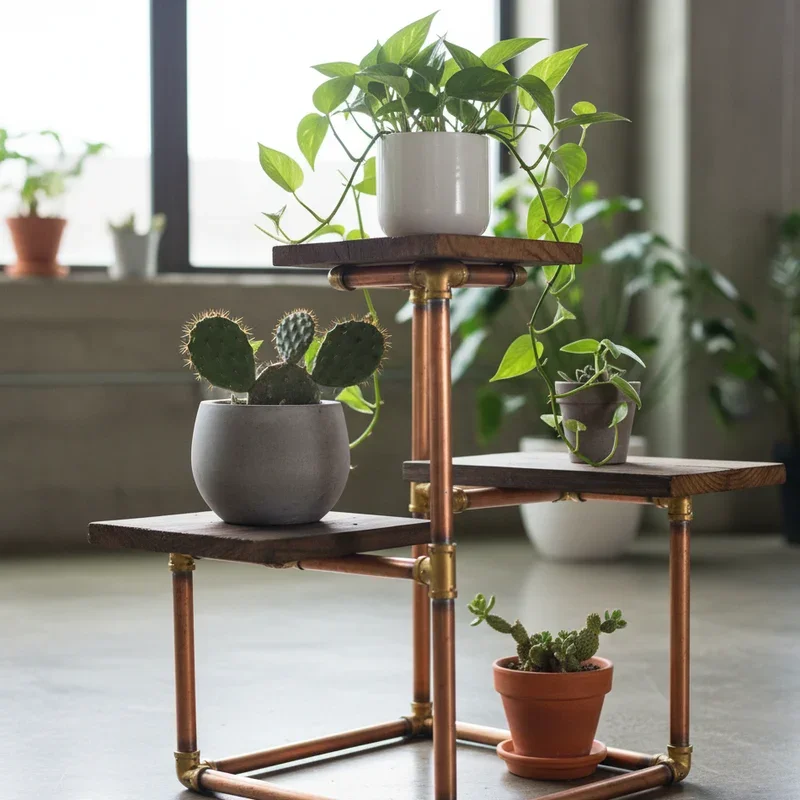
Copper pipes aren't just for plumbing anymore! This industrial-chic stand combines functionality with that trendy metallic shine everyone's crazy about. Gather copper pipes, elbow joints, T-joints, and a pipe cutter from your hardware store. No soldering required; simply cut pipes to desired lengths and connect with joints using pipe cement. Create geometric shapes like triangles or hexagons for visual appeal. The copper naturally develops a beautiful patina over time, adding character to your space. Build multiple heights to create a stunning display for various plant sizes. Add wooden or marble shelves between pipes for extra surfaces. This project typically costs around forty dollars but looks like a high-end boutique piece. The modular design means you can reconfigure it whenever you want a fresh look.
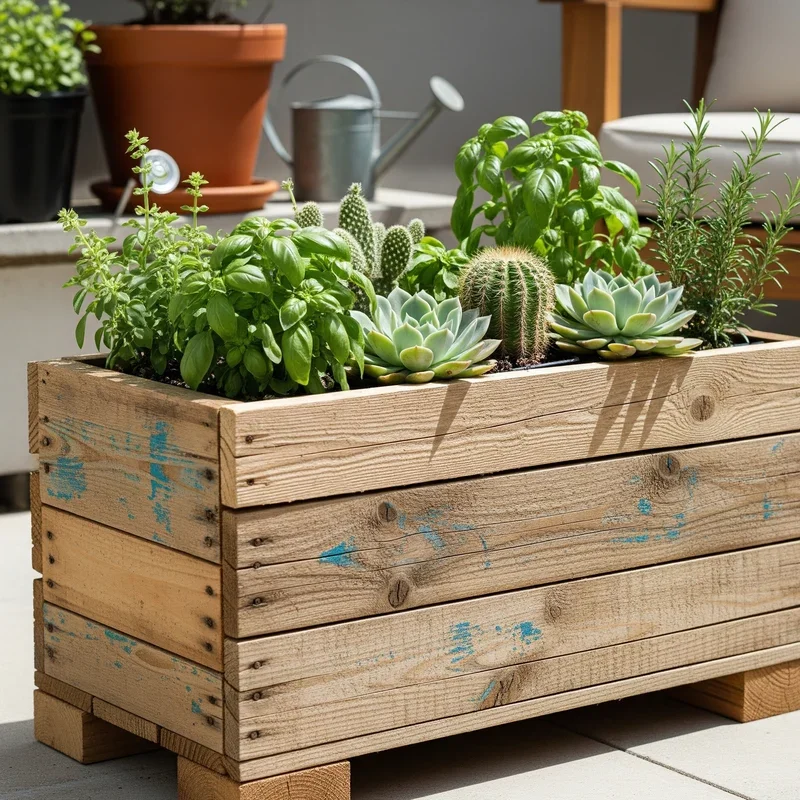
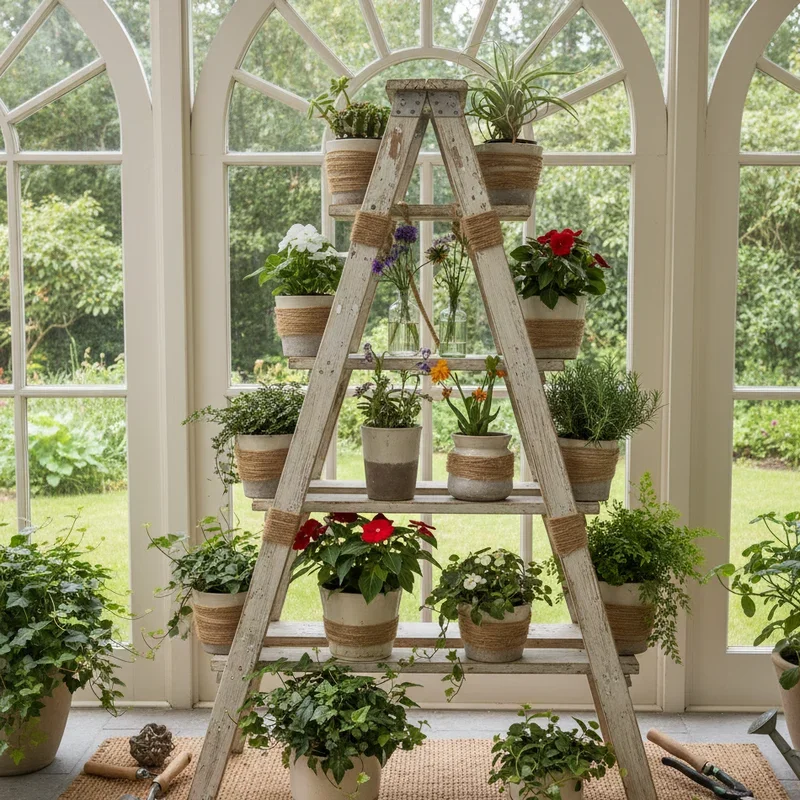
3. Vintage Ladder Plant Display
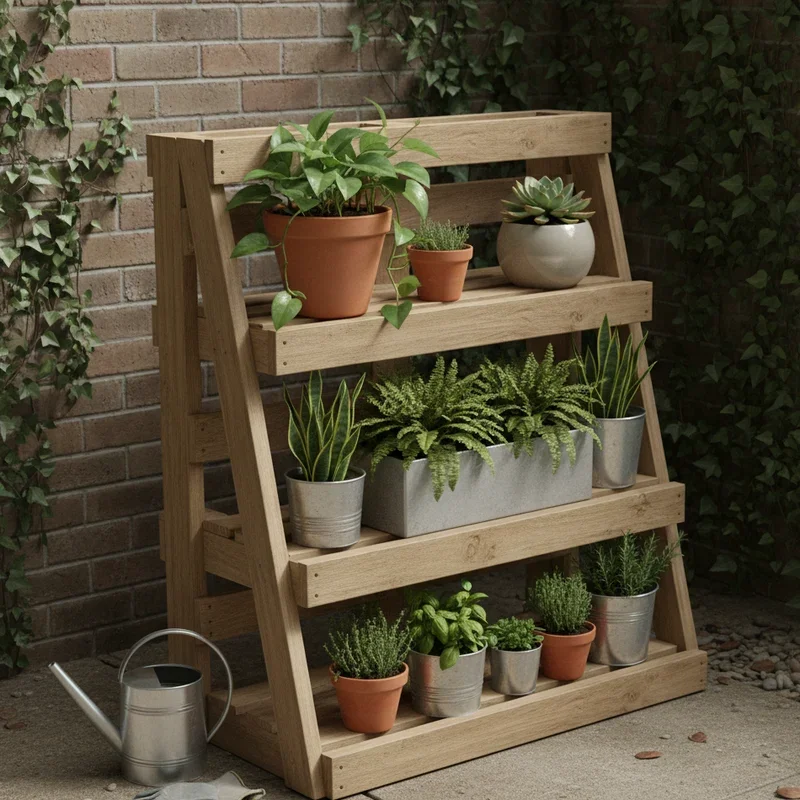
That old wooden ladder gathering dust in your garage? It's about to become your favorite plant display! This zero-waste solution transforms forgotten ladders into charming vertical gardens. Simply clean, sand, and repaint or stain your ladder to match your decor. Lean it against a wall or make it freestanding by adding support brackets. Each rung becomes a perfect perch for potted plants, creating a cascading green waterfall effect. Mix trailing plants like pothos on upper rungs with compact succulents below. Add S-hooks to hang smaller planters from the sides. Paint each rung a different color for a playful rainbow effect, or keep it rustic for farmhouse charm. This versatile stand works indoors or on covered patios. The best part? You're giving new life to something that might otherwise end up in a landfill.
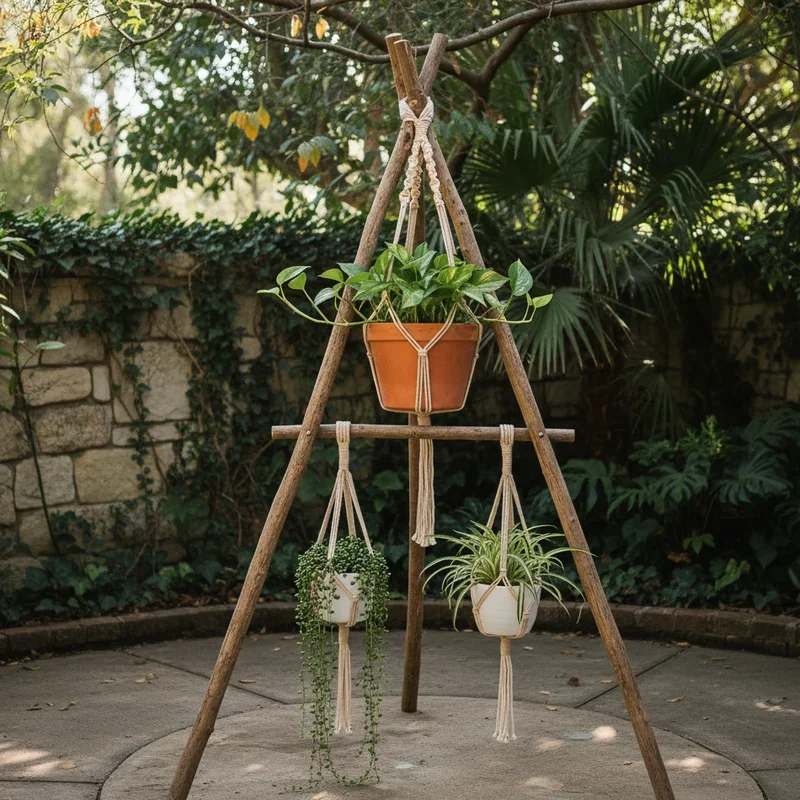
4. Macramé Hanging Plant Stand
Bring those bohemian vibes into your space with a macramé plant stand that doubles as art! Using macramé cord and basic knotting techniques, create a suspended garden that saves floor space. Start with a wooden ring or metal hoop as your base, then work downward with square knots and spiral patterns. Incorporate multiple tiers by adding wooden rounds or ceramic saucers at different heights. This creates a vertical display perfect for small spaces. Choose natural cotton cord for that earthy feel or colorful nylon for a modern twist. Add wooden beads or tassels for extra texture. The project takes about three hours but becomes faster as you master the knots. These stands work beautifully in corners, windows, or as room dividers. Plus, the gentle swaying motion adds life to your space.
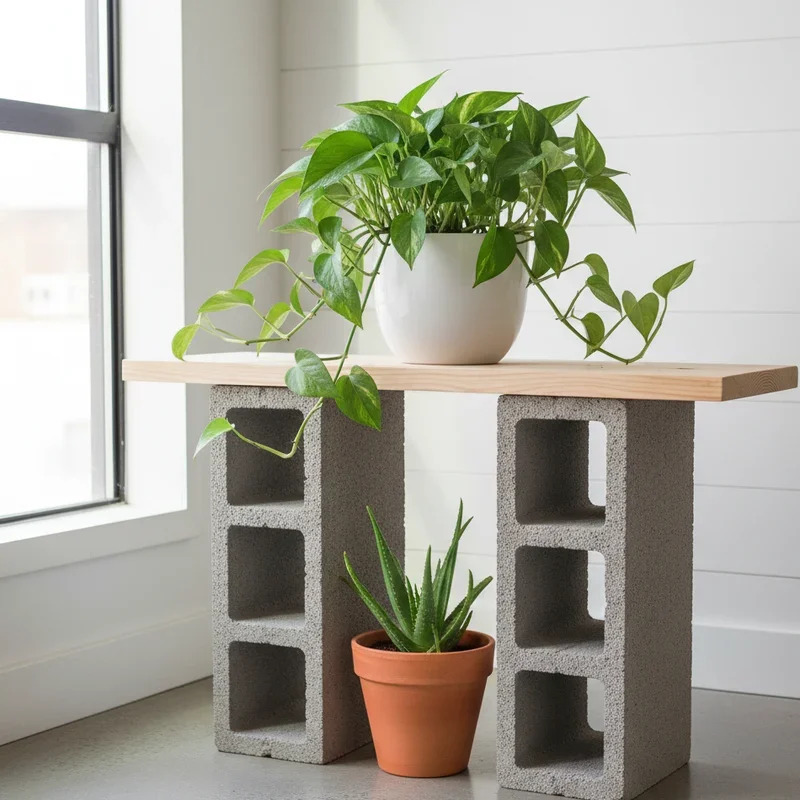
5. Concrete Block Minimalist Stand
Sometimes the simplest solutions pack the biggest punch! Concrete blocks and wooden boards create an instantly customizable plant stand system. Stack blocks at various heights, slide boards between them, and voila! You've got a modern, industrial display. The beauty lies in its flexibility; rearrange whenever you want a new look. Paint blocks in bold colors or leave them raw for that brutalist aesthetic. Use reclaimed wood for warmth or sleek painted boards for a contemporary feel. This system grows with your plant collection; just add more blocks and boards. Create stepped displays for visual interest or keep everything uniform for minimalist appeal. Each block costs about two dollars, making this incredibly budget-friendly. The weight provides stability for larger plants while the modular nature means you're never locked into one configuration.
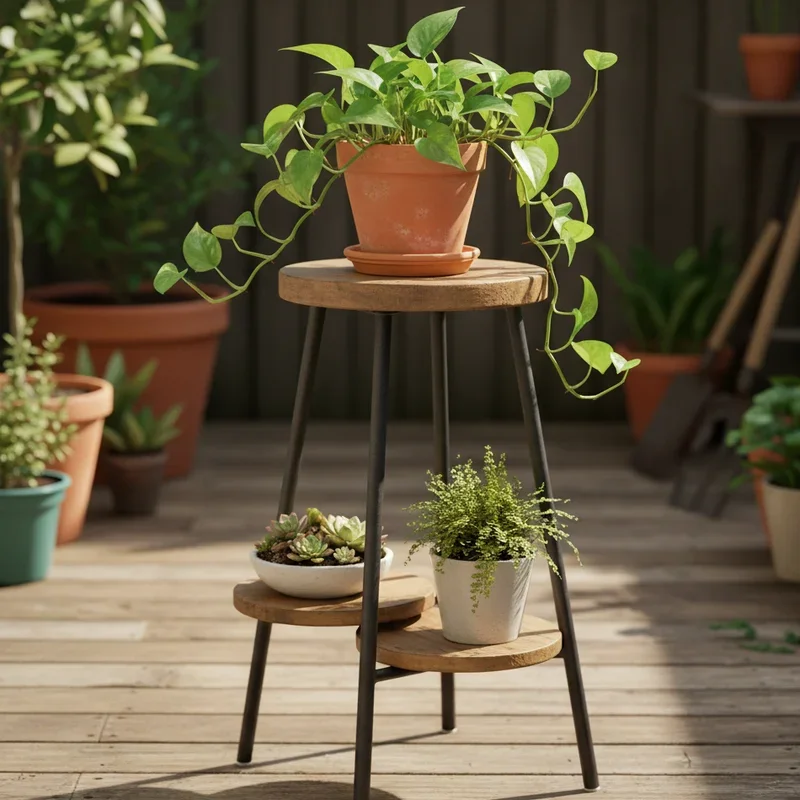
6. Repurposed Bar Stool Plant Holder
Turn that wobbly bar stool into a stylish plant pedestal! This upcycling project breathes new life into furniture destined for the curb. Remove the seat cushion, sand down the frame, and add a new circular wooden top or wire basket. The existing height makes it perfect for showcasing trailing plants or creating layers in your plant display. Paint the legs in metallic tones for glamour or distress them for shabby chic appeal. Some creative folks weave macramé seats or attach multiple small pots to the frame. Swivel stools add functionality, letting you rotate plants for even sun exposure. This project costs virtually nothing if you already have the stool, just the price of paint and finishing materials. Check thrift stores for unique stools that'll add character to your space.
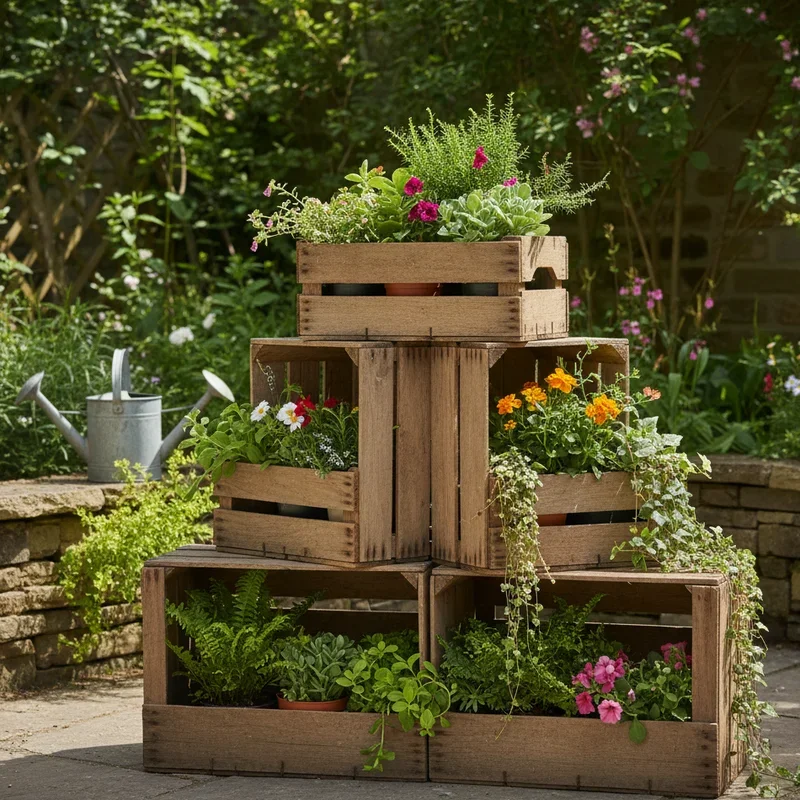
7. Tiered Wooden Crate Garden
Stack those farmer's market crates into a rustic plant paradise! This project transforms simple wooden crates into a graduated display system perfect for herbs, succulents, or flowering plants. Arrange crates in pyramid formation, securing with wood glue or brackets for stability. Line with landscape fabric if you're planting directly, or use them as shelving for potted plants. Paint or stain crates to coordinate with your decor, or leave natural for authentic farmhouse charm. Add casters to the bottom for a mobile garden that follows the sun. Label each tier with chalkboard paint for an herb garden with built-in plant markers. This versatile system works indoors or outdoors, adapting to your space and needs. The cost depends on crate sources; free from grocery stores or about ten dollars each from craft stores.
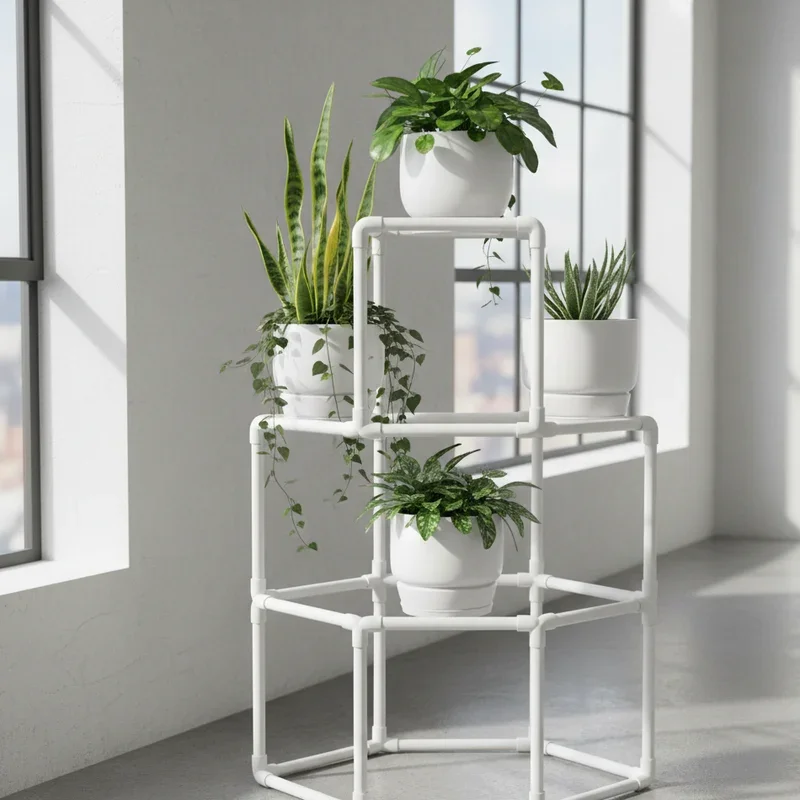
8. PVC Pipe Modern Plant Tower
Think PVC pipes are just for plumbing? Think again! This contemporary tower design creates vertical growing space with a surprisingly sleek appearance. Cut PVC pipes at various lengths, connect with T-joints and elbows to create geometric frames. Spray paint in matte black or white for a modern look that hides the pipe's utilitarian origins. Add wooden or acrylic shelves at different levels for your plants. The lightweight construction makes it easy to move, while the waterproof material means no worry about water damage. Create a single tower or connect multiple units for a room divider effect. This project costs around twenty-five dollars and assembles without any special tools. The modular design grows with your collection, and you can disassemble it for easy moving or storage.
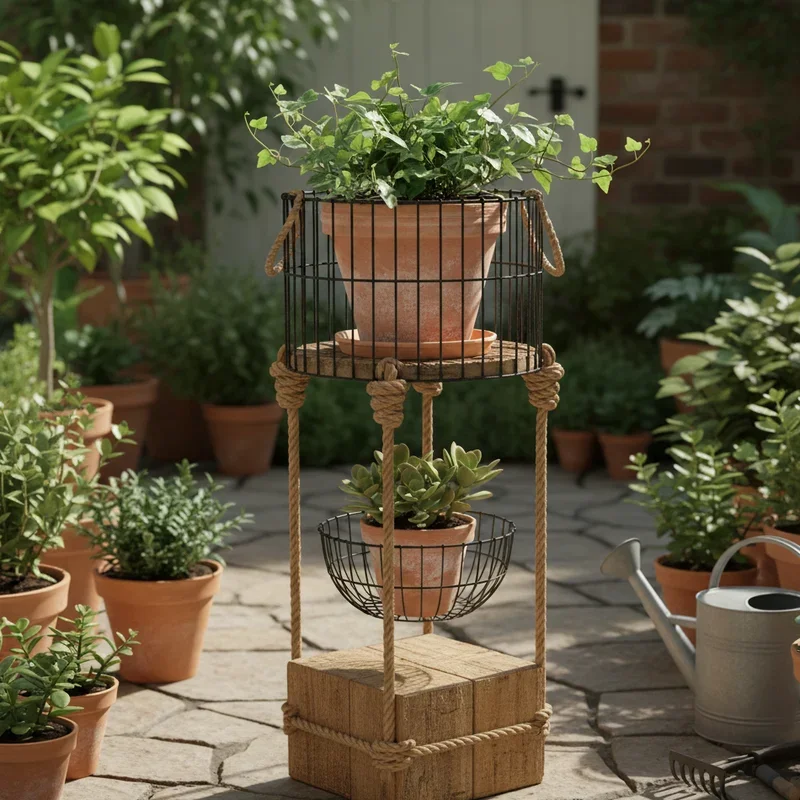
9. Wire Basket Plant Stand
Industrial meets organic with this trendy wire basket plant stand! Using wire storage baskets and hairpin legs or wooden dowels, create airy displays that don't overwhelm small spaces. Flip baskets upside down for instant pedestals, or keep them upright as cachepots for plastic nursery pots. Attach legs with zip ties or small bolts for stability. Spray paint everything gold for glamour, or mix metals for an eclectic vibe. Layer different sized baskets for a tiered effect. The open design allows air circulation, reducing root rot risk. Line baskets with coco fiber for planting directly or use as decorative covers for plain pots. These lightweight stands move easily for cleaning or rearranging. Find baskets at dollar stores and legs online, keeping costs under twenty dollars per stand.
10. Tree Branch Rustic Stand
Nature provides the best materials! This organic stand brings the outdoors in using fallen branches and basic woodworking skills. Search for thick, sturdy branches with interesting shapes and Y-formations that create natural plant cradles. Strip bark, sand smooth, and seal with polyurethane for durability. Secure branches in concrete-filled buckets for freestanding sculptures, or mount directly to walls for floating displays. The irregular shapes add artistic flair while supporting various pot sizes. Combine multiple branches for larger installations that become living art pieces. Paint branch tips in metallic colors for modern contrast, or keep everything natural for pure organic beauty. This project costs nothing but time if you forage materials yourself. Each piece becomes completely unique, reflecting nature's own design aesthetic. Weather-resistant finishes mean these work outdoors too.

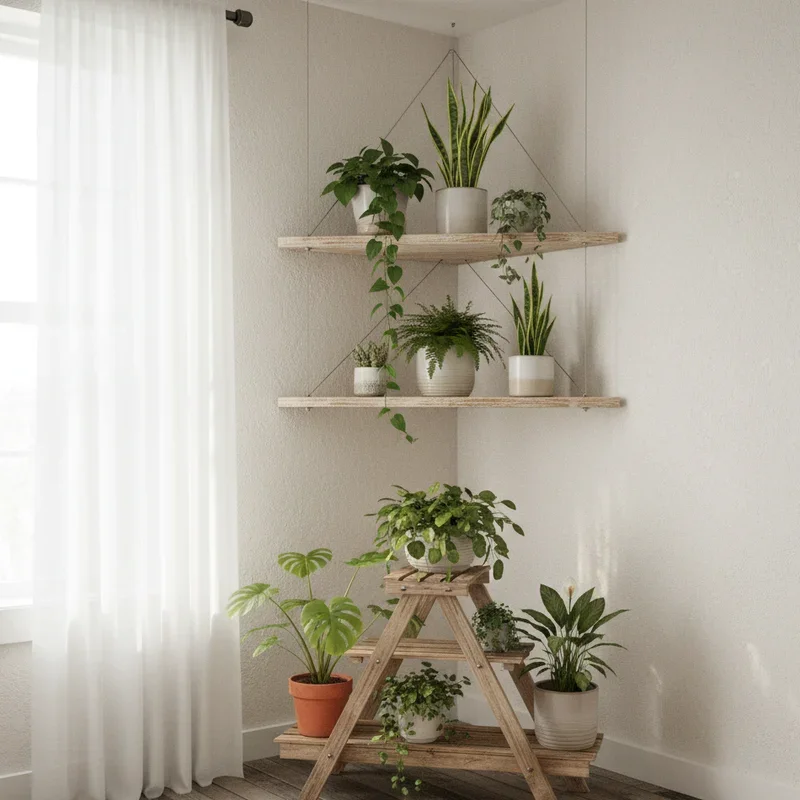
11. Floating Corner Plant Shelves
Maximize those forgotten corners with custom floating shelves designed specifically for plants! Cut triangular wooden pieces to fit your corner dimensions, adding lips or rails to prevent pots from sliding. Install with sturdy brackets or floating shelf hardware, creating multiple tiers for a vertical garden effect. Stain wood to match existing furniture or paint in accent colors for visual pop. Add LED strip lights underneath for dramatic uplighting that makes leaves glow. These shelves work perfectly for small plants, turning dead space into green oases. The corner placement means plants receive light from multiple angles. Install at varying heights for dynamic displays. Cost varies by wood choice, but basic pine versions run about fifteen dollars per shelf. The custom fit means no wasted space, perfect for apartment living.
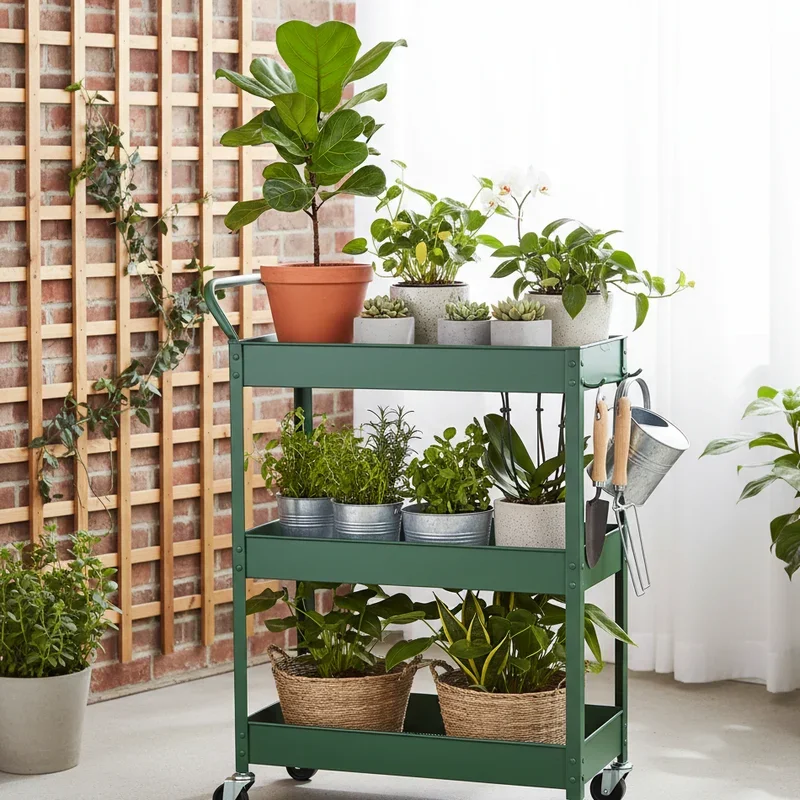
12. Rolling Cart Plant Station
Mobility meets style with a DIY rolling plant cart! Using a basic utility cart frame or building from scratch with wood and casters, create a portable garden that moves wherever needed. Add multiple tiers with wooden shelves or wire baskets for various plant heights. Include hooks on sides for hanging tools or small planters. Paint in bright colors for cheerful accent pieces or metallics for sophisticated appeal. The mobility factor means chasing sunlight becomes effortless, crucial for light-hungry plants. Add a lower shelf for supplies, keeping everything organized. Build with outdoor-rated materials for patio use during summer, then roll inside for winter. These carts work brilliantly for herbs in kitchens, moving between window and counter as needed. Basic versions cost around thirty dollars, providing incredible functionality.
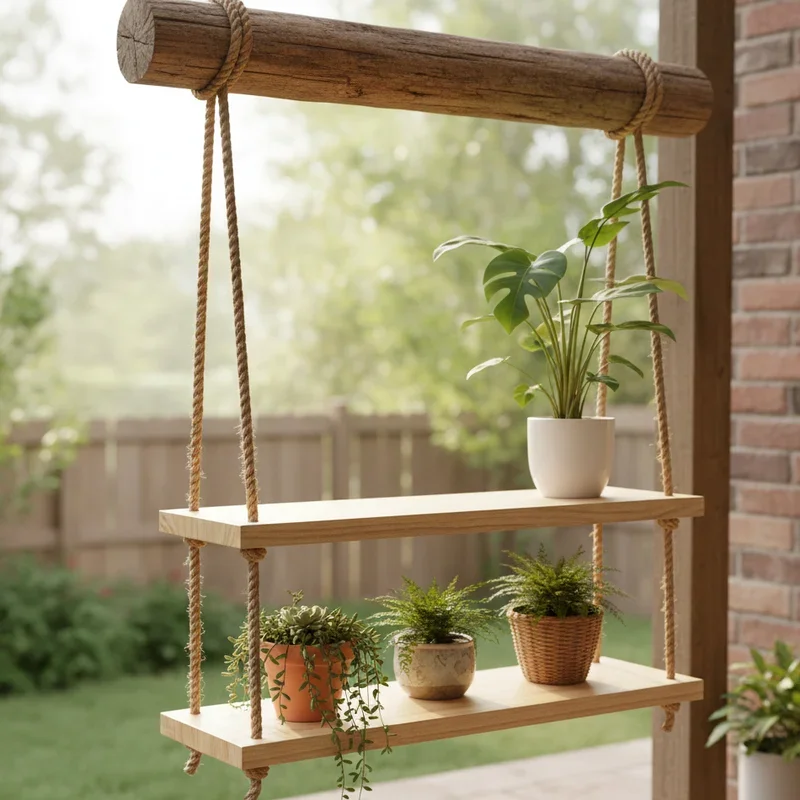
13. Rope and Wood Swing Shelf
Channel playground nostalgia with hanging swing shelves for your plants! Drill holes in wooden boards, thread thick rope through, and knot securely underneath. Hang from ceiling hooks or wall brackets, creating floating gardens that save floor space. Use reclaimed wood for rustic charm or sleek painted boards for modern aesthetics. Multiple boards at different heights create tiered displays. The gentle movement adds dynamism to your space while the rope's natural texture complements organic plant forms. Adjust heights easily by retying knots, accommodating growing plants. These shelves work wonderfully in windows, allowing maximum light exposure. Add multiple swings at varying heights for cascading displays. Materials cost under fifteen dollars per shelf, but the visual impact feels much more expensive. The swing motion actually benefits plants, strengthening stems through gentle stress.
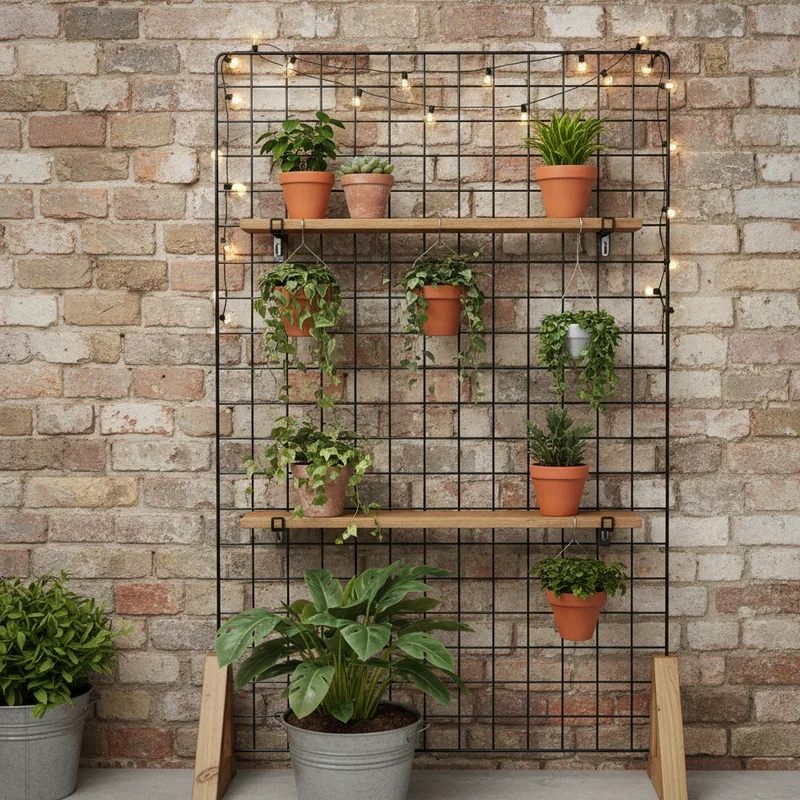
14. Metal Grid Panel Display
Transform wire grid panels into modern plant galleries! These versatile panels, often used for organizing, become stunning vertical gardens with simple modifications. Mount panels on walls or create freestanding displays with wooden frames. Attach small shelves, hooks, or baskets at various points for three-dimensional plant arrangements. Spray paint grids in copper, gold, or matte black for sophisticated looks. Use S-hooks to hang planters at different heights, creating dynamic compositions. The grid structure means infinite arrangement possibilities; change your display seasonally or whenever inspiration strikes. Add small pots with zip ties or wire for secure mounting. These systems work brilliantly for propagation stations, displaying cuttings in test tubes. Grid panels cost about twenty dollars each, providing extensive display space. The industrial aesthetic pairs perfectly with modern and minimalist decor styles.
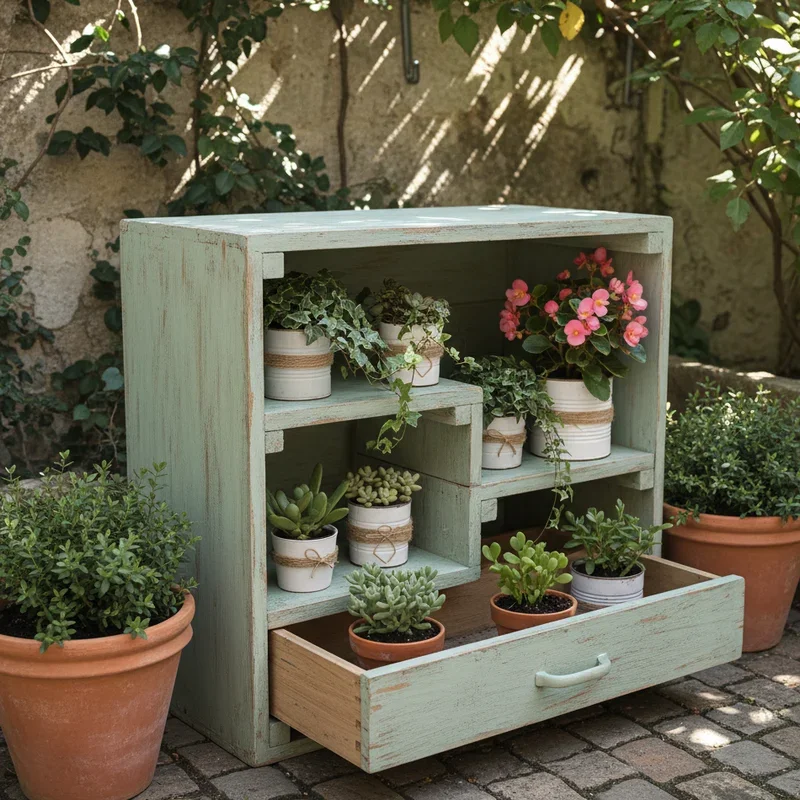
15. Upcycled Drawer Plant Steps
Those old dresser drawers deserve a second life as charming plant displays! Remove drawers from damaged furniture, sand, and refinish to your taste. Arrange drawers at different heights using wooden blocks or legs, creating stepped gardens perfect for showcasing collections. Line with plastic for direct planting or use as decorative containers for potted plants. Paint insides with bright colors for surprise pops when viewing from above. Stack drawers pyramid-style for compact vertical gardens or spread them out for horizontal displays. Add wheels for mobile gardens that follow seasonal light. Vintage drawers add instant character, while modern ones offer clean lines. This project costs virtually nothing when using salvaged materials, just paint and finishing supplies. Each drawer tells a story while providing perfect contained gardens for themed plant groupings.
Conclusion
Creating DIY plant stands transforms both your space and your plant care routine. These 15 projects prove that elevating your greens doesn't require a massive budget or professional skills. Each stand adds personality while solving practical display challenges. Whether you choose rustic branches or modern pipes, your plants will thank you for their new pedestals. Start with one simple project and watch your confidence grow alongside your garden.
Read next: 15 DIY Planter Box Ideas to Upgrade Your Backyard
Frequently Asked Questions
Q1: Which DIY plant stand works best for heavy pots?
Concrete block stands or wooden crate systems provide maximum stability for larger plants.
Q2: How do I protect wooden stands from water damage?
Apply polyurethane sealant or use waterproof trays under pots for protection.
Q3: Can outdoor plant stands work inside my home?
Yes, most outdoor designs work indoors with proper floor protection underneath.
Q4: What's the most budget-friendly plant stand option?
Concrete blocks with boards or repurposed ladder displays cost almost nothing.
Q5: How tall should plant stands be for optimal display?
Vary heights between twelve and thirty-six inches for dynamic visual interest.
Stay up to date with our latest ideas!