A Complete Guide to Planning a Long Distance Move
Learn how to prepare for a long distance move with practical tips on planning, packing, budgeting, and staying organized throughout the relocation process.
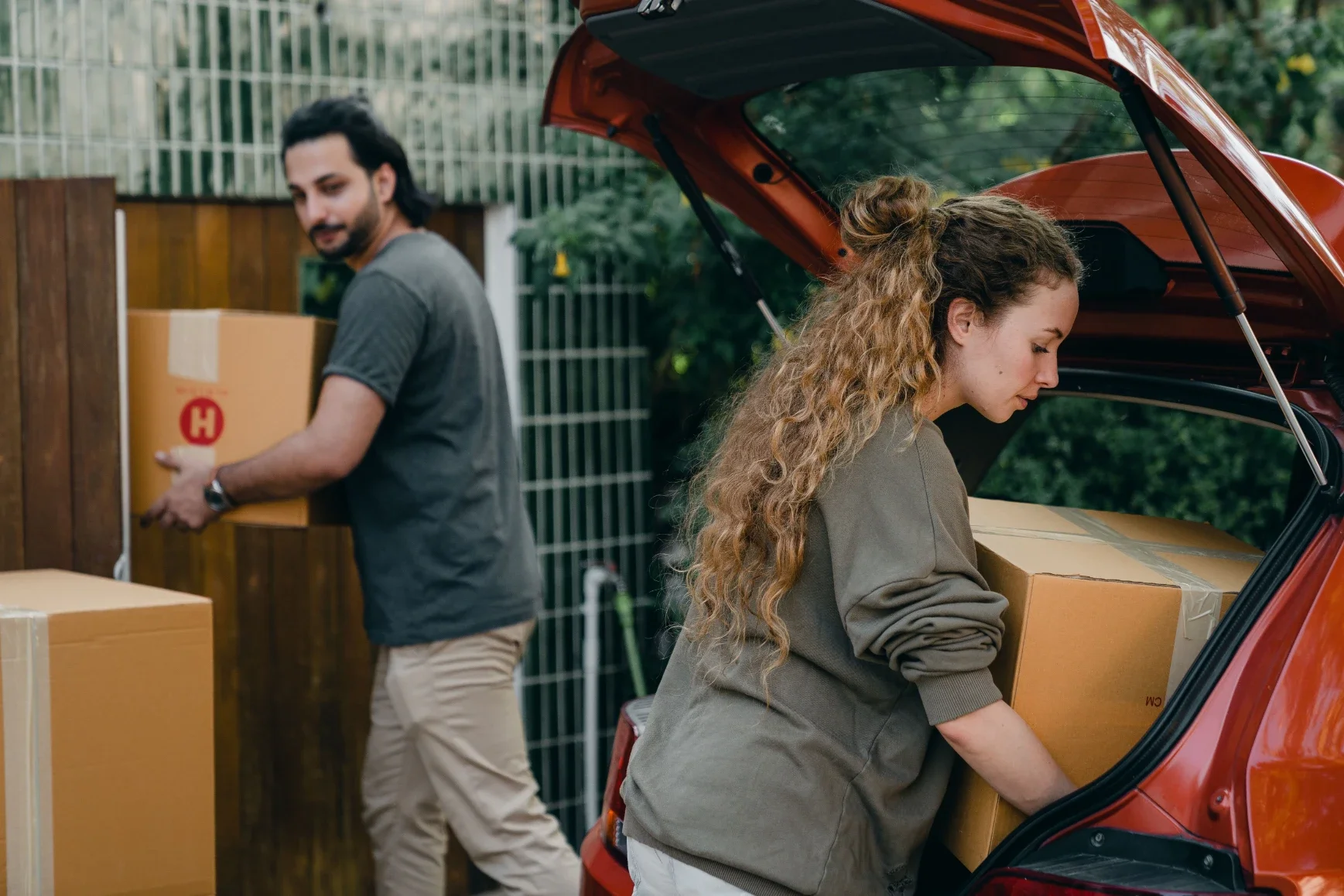
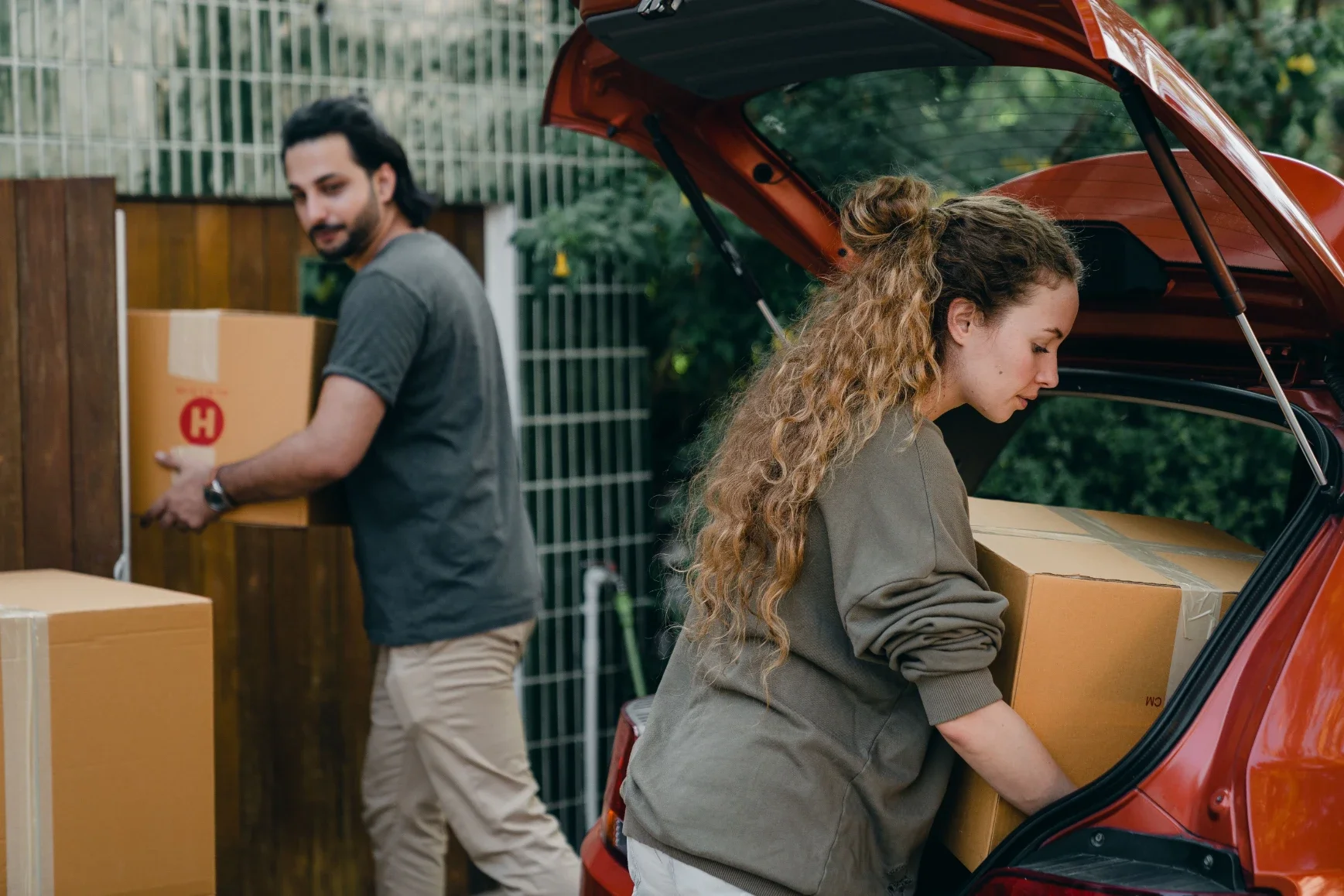
Relocating to a new state is an exciting milestone, but it also requires careful preparation and organization. Unlike local moves, long distance relocations involve additional logistics, stricter timelines, and greater coordination. Many homeowners and renters begin researching interstate movers early in the planning process to better understand transportation options and prepare for a smooth transition. With the right strategy, you can reduce stress, protect your belongings, and make settling into your new home much easier.
Start Planning Earlier Than You Think
One of the biggest mistakes people make is underestimating how much time a long distance move requires. Planning several weeks or even months in advance gives you more flexibility and allows you to handle unexpected challenges without feeling rushed.
A moving checklist should include:
Choosing a moving date
Creating a realistic budget
Organizing important documents
Scheduling utility transfers
Updating your mailing address
Creating a packing schedule
Breaking large tasks into smaller steps makes the process more manageable.
Declutter Before Packing
Moving presents an excellent opportunity to reduce unnecessary belongings. Packing fewer items saves time, lowers transportation costs, and makes unpacking easier.
As you go through each room, divide belongings into categories:
Keep
Donate
Sell
Recycle
Dispose
Be honest about what you truly use. Items that have remained untouched for years may not be worth transporting to your new home.
Pack Efficiently and Protect Your Belongings
Packing properly helps prevent damage during transportation.
Some useful practices include:
Use sturdy moving boxes
Wrap fragile items individually
Fill empty spaces to prevent shifting
Label every box clearly
Pack heavier items in smaller boxes
It is also helpful to label boxes by room so unpacking becomes more organized after arrival.
Keep Essential Items Separate
Not everything should go into the moving truck.
Prepare a personal essentials bag containing:
Identification documents
Prescription medications
Chargers
Basic toiletries
Important paperwork
A change of clothes
Snacks and water
Having these items readily available prevents unnecessary stress during travel.
Create a Realistic Moving Budget
Long distance moves often involve more expenses than expected.
Your budget may include:
Transportation
Packing materials
Temporary accommodation
Fuel or travel costs
Storage if needed
Utility connection fees
Setting aside an emergency fund can also help cover unexpected expenses that arise during the relocation.
Prepare Your New Home Before Arrival
Whenever possible, make arrangements before moving day.
Consider completing tasks such as:
Activating utilities
Scheduling internet installation
Cleaning the property
Measuring rooms for furniture placement
Confirming access to the home
These preparations allow you to settle in more comfortably after arrival.
Protect Valuable and Fragile Items
Certain belongings require additional attention during a long journey.
Items that deserve extra care include:
Electronics
Artwork
Jewelry
Important documents
Family heirlooms
Whenever practical, transport irreplaceable valuables personally rather than packing them with household goods.
Stay Flexible During the Process
Even well planned moves may encounter delays caused by weather, traffic, scheduling changes, or unexpected circumstances.
Maintaining flexibility helps reduce frustration when plans need to be adjusted.
Helpful strategies include:
Confirm appointments ahead of time
Allow extra travel time
Keep important contact numbers accessible
Maintain digital copies of essential documents
A calm approach makes it easier to solve problems if they occur.
Make Unpacking More Manageable
After arriving at your new home, resist the urge to unpack everything immediately.
Instead, focus on priority areas first:
Kitchen essentials
Bedrooms
Bathrooms
Daily clothing
Basic household supplies
Completing one room at a time creates steady progress without becoming overwhelming.
Settle Into Your New Community
Moving is about more than transporting belongings. It is also the beginning of life in a new neighborhood.
Take time to:
Explore local parks and shops
Locate healthcare providers
Register for local services if required
Meet neighbors
Learn about community events
These small steps help make your new location feel like home more quickly.
Final Thoughts
A successful long distance move depends on careful preparation, realistic expectations, and organized execution. By planning early, packing strategically, managing your budget, and staying flexible throughout the process, you can minimize stress and enjoy a smoother transition.
Every move presents unique challenges, but with thoughtful preparation and a clear plan, relocating to a new state can become an exciting opportunity rather than an overwhelming experience.
Stay up to date with our latest ideas!