How to Check Wall Moisture Before DIY Renovation Projects
Learn how to check wall moisture before DIY renovation projects to prevent mold, structural damage, and costly mistakes during home upgrades.
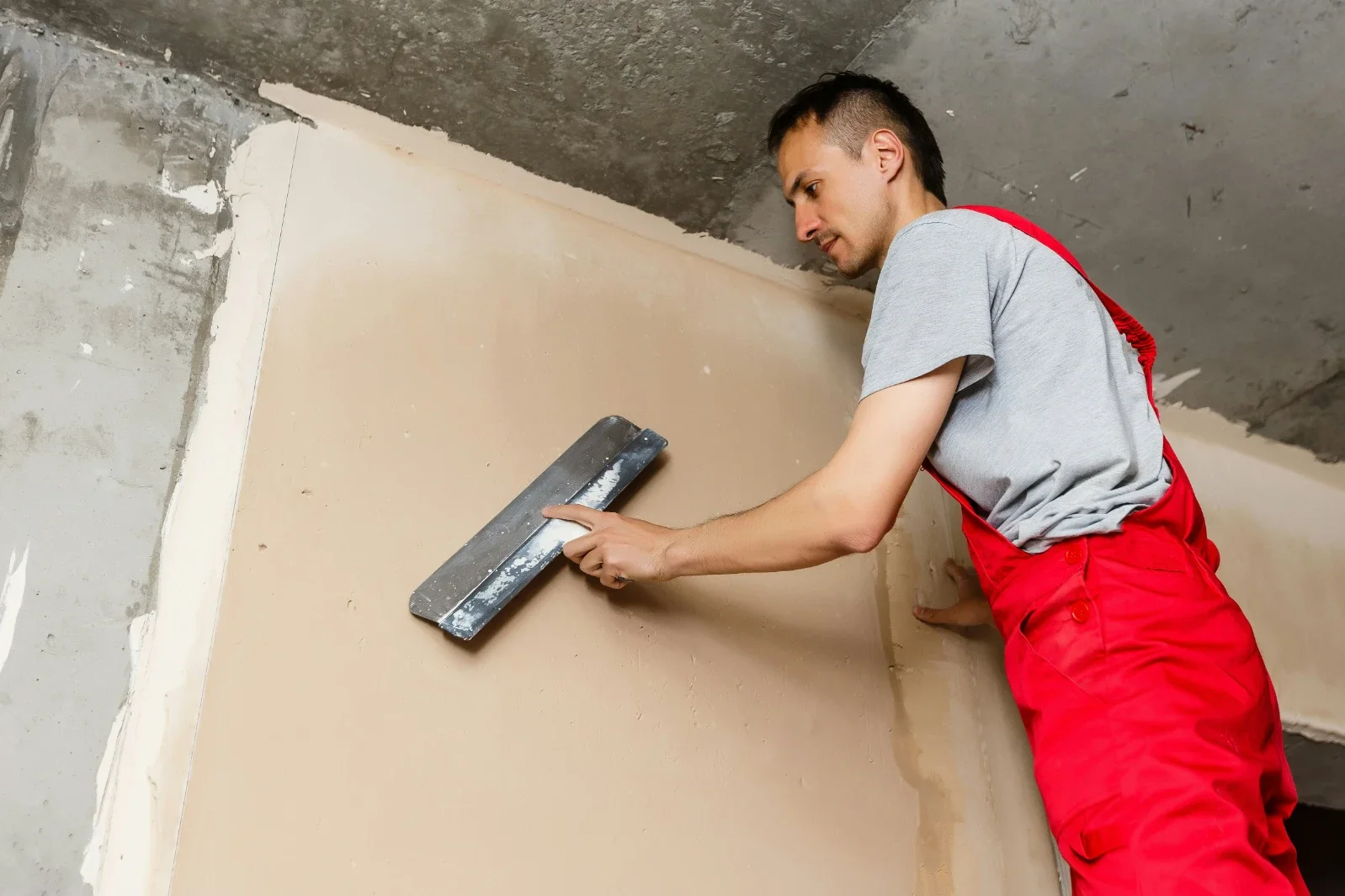
Many DIY renovation problems don’t start with poor materials or bad workmanship — they start with hidden moisture inside the walls. Whether you’re planning to repaint, install drywall, or fix damaged surfaces, ignoring wall moisture can lead to mold growth, peeling paint, or long-term structural issues.
Understanding how to check wall moisture before starting a project is a simple but often overlooked step that can save time, money, and frustration.
Why Wall Moisture Is a Serious DIY Concern
Walls are designed to stay dry. When moisture becomes trapped inside drywall or behind wall surfaces, it creates an environment where problems can quietly develop. Common causes include plumbing leaks, roof damage, condensation, or poor ventilation in bathrooms and basements.
Excess moisture can weaken drywall, reduce insulation effectiveness, and promote mold growth — all of which may not be visible until the damage becomes severe. For DIY homeowners, this means repairs that don’t last or surfaces that quickly deteriorate after renovation.
Common Signs of Moisture Inside Walls
While moisture is often invisible, there are a few warning signs that suggest further inspection is needed:
Discoloration or dark stains on walls
Peeling paint or bubbling wallpaper
Soft or crumbly drywall texture
Musty odors, especially in enclosed spaces
Repeated mold growth after cleaning
If any of these signs appear, it’s best not to proceed with repairs until moisture levels are checked properly.
How Moisture Levels in Drywall Are Evaluated
Visual inspection alone is not enough to determine how much moisture is trapped inside a wall. For this reason, moisture testing is commonly used in DIY home maintenance and renovation projects.
Using a moisture meter allows homeowners to assess internal moisture conditions before sealing or repairing drywall. More importantly, knowing what readings are considered safe helps prevent future damage. Understanding drywall moisture levels provides clear guidance on when walls are ready for renovation and when further drying or repairs are necessary.
This knowledge is especially useful before painting, installing insulation, or covering wall surfaces, as sealing moisture inside drywall can lead to mold growth and material failure.
When Should You Test Wall Moisture?
Moisture testing is especially important in the following situations:
Before painting or refinishing walls
After repairing leaks or water damage
During basement or bathroom renovations
When installing drywall in humid environments
Before covering walls with insulation or paneling
Testing moisture levels at the right time helps prevent trapping moisture behind new materials, which could lead to future damage.
What to Do If Moisture Levels Are Too High
If testing reveals elevated moisture levels, it’s best to pause the renovation process. Simply covering the wall will not solve the underlying issue. Instead, focus on identifying and fixing the moisture source, which may involve repairing leaks, improving ventilation, or allowing sufficient drying time.
In some cases, professional assessment may be necessary, especially if moisture problems persist or structural materials are affected.
Final Thoughts
Checking wall moisture before starting a DIY renovation is a small step that can prevent major problems later. Moisture issues are often hidden, but with the right approach and proper testing, they can be identified early and addressed effectively.
By understanding how moisture affects drywall and knowing when to test, DIY homeowners can ensure their renovation efforts are safe, durable, and successful.
Stay up to date with our latest ideas!