10 DIY Repair Kits Every Homeowner Should Keep in the Toolroom
Discover ten essential DIY repair kits every homeowner should keep in the toolroom to handle quick fixes, save money, and prevent small issues from growing.
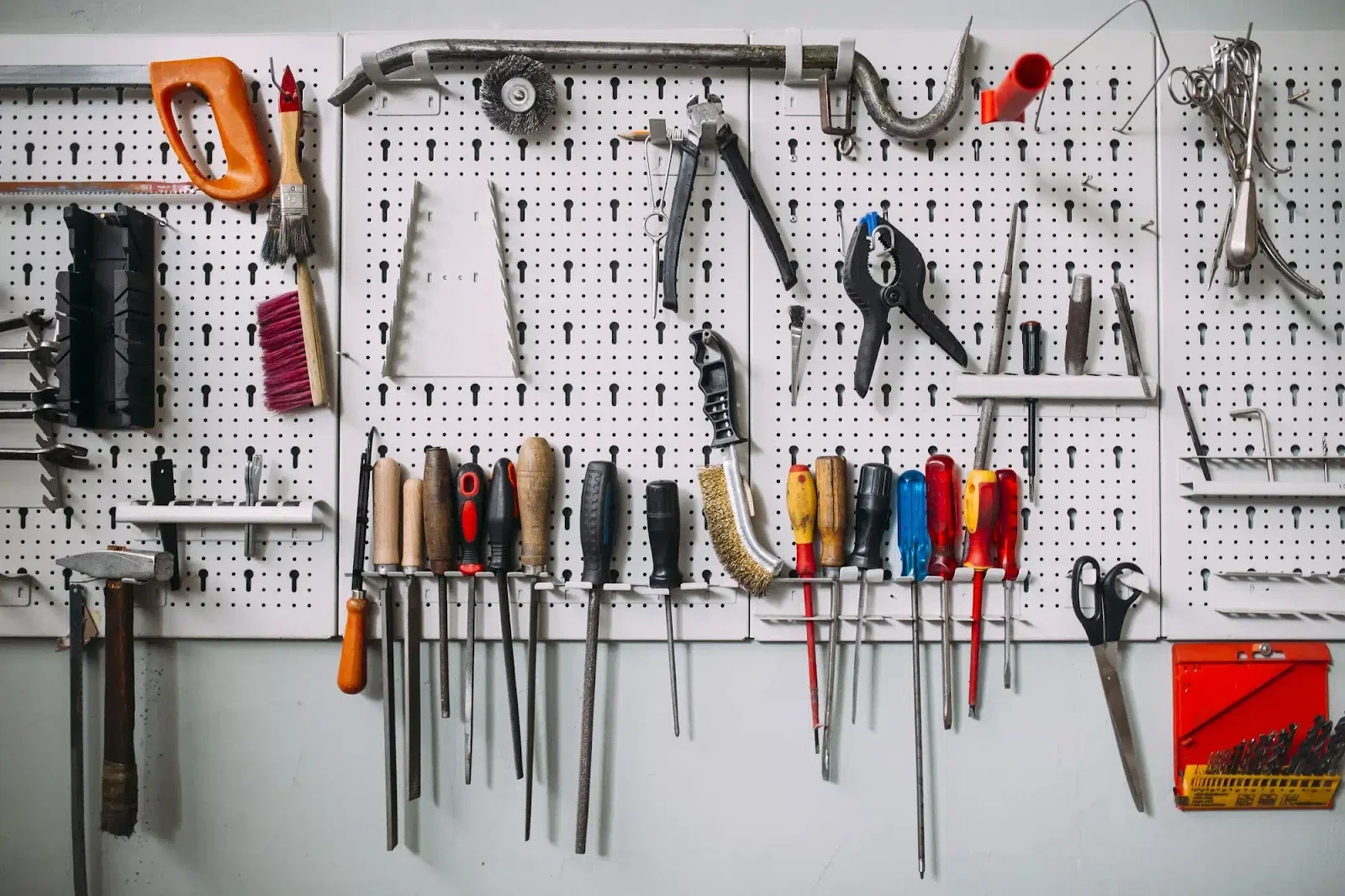
Houses fall apart, and it's just a plain fact of life - a wobbly doorknob, a hole in the wall from a bump with the furniture, and before you know it, you're staring at a to-do list that just keeps getting longer. But you don't have to panic and shell out an arm and a leg to some contractor to fix a minor issue. Savvy homeowners keep a utility box of basic repair kits stashed away to nip problems in the bud as soon as they come up.
Spending an eternity waiting for a pro to fix a teeny scratch is just a waste of time and money - like calling an ambulance for a paper cut. Resources like BestRepairKits are great for comparing different options, but the real secret to saving a few bucks is having the basics on hand before disaster strikes.
There's a real psychological weight to a broken home - every time you walk past a hole in the wall or a chip in the tile, it's like your house is slowly falling apart, shouting in your ear that you're not doing a very good job taking care of things. Taking action right away is a great way to stop that nagging feeling in its tracks. Not all kits are created equal, so grabbing the right one can save you from turning a small headache into a wallet-busting nightmare. You need tools that can act fast - kits that live under your sink or in the garage, ready to bail you out when a pipe drips or a window cracks on a Sunday evening.
1. Drywall Repair Kit
Walls get pretty beat up in a house full of moving objects. Whether it's a door getting slammed shut with force that punches a hole or a picture hook that's gone loose, drywall damage is ugly and can't be ignored. It's basically just some compressed chalk sandwiched between a couple of sheets of paper, so it has zero structural resistance against a heavy sofa corner or a flying toy that comes loose.
What you'll usually find inside:
Mesh Patch: This is the key bit; it's like rebar in concrete, giving the wet paste something to grip so it doesn't just slump out of the hole.
Spackle (Joint Compound): The putty that fills the void.
Spreader Tool: A small plastic knife to smooth the patch over.
Sandpaper: For getting the surface looking smooth and decent again.
Using it: Just slap the adhesive mesh over the damage first. Smear the spackle through it, making sure you get it deep into the mesh fibers. The trick is to get the edges nice and feathered, spreading the paste thin so it merges seamlessly with the existing wall texture instead of leaving a noticeable lump. Once it's dry, sand it down until you can't feel the join, then paint over it.
(Note: If your home was built before 1978, refer to EPA's Lead-Safe Renovations for DIYers for lead-safe work practices before sanding any painted surfaces.)
2. Wood & Furniture Repair Kit
Furniture and wooden pieces pick up scars over the years - scratches from car keys, chipped corners from vacuum cleaners, and worn chair legs just make a room look tired and a bit neglected. Wood is organic and pretty soft, so it records every impact it suffers. You might think you need to strip the entire finish and sand it down to fix a simple scratch, but that's way overkill for most minor damage.
Essential Tools:
Touch-up Markers: Think of this as a bit of furniture makeup. For shallow scratches, pick a marker that matches the stain and just color the exposed raw fibers.
Wax Sticks: For deeper gouges where wood is actually missing. You just rub this into the void until it's level.
The challenge: Colour matching is the hard part. Most kits come with a range of shades (mahogany, oak, cherry, walnut) that you can mix to get the perfect tone. You might need to melt two waxes together to get the grain of an antique dresser just right. Once you fill the chip, just give it a gentle buff with a soft cloth.
3. Plumbing Repair Kit
Water is the sneaky enemy of home ownership. That small drip under the sink might seem harmless, but it can quickly rot your cabinets, warp your subfloor, and ruin your day if left unchecked. Water is patient; it will eat through wood and drywall silently until the floor feels spongy beneath your feet. Plumbing emergencies almost never happen when the hardware store is open, which makes having a repair kit practically a matter of survival.
Your Emergency Options:
Epoxy Putty: A grey and white cylinder that you knead with your fingers until it turns a uniform colour. This chemical reaction heats up the putty, making it ready to bond to copper, PVC, or steel. You just squash it over the leak, and it hardens into a rock-solid plug within minutes.
Silicone Tape: This is a real lifesaver - it doesn't stick to the pipe, only to itself. Wrap it tightly around a spraying joint, stretching it as you go & it just stranggles the leak by fusing into a solid rubber mass.
4. Tile & Porcelain Repair Kit
Breaking a perfume bottle in the bathroom or the kitchen is always a disaster waiting to happen. Ceramic and porcelain tiles may be super-hard, but they are also super-brittle, which is to say that even a small impact can knock a chunk right out of the surface. Not to mention, you end up with a big old chip - and chips in tile just attract dirt, grime, and that dreaded sock lint that ends up all over the place.
How It Works:
Two Part Magic: You mix a bit of resin with a hardener to get a paste that turns hard as rock, almost like solid stone.
Adding a bit of Colour: If youve got beige or grey tiles, you'll likely need to add a few drops of special pigment to the mix to get it to match.
Getting It Done:
This stuff starts off as a gloopy paste that you have to carefully slide into the crack - and you've only got a tight window of time before it sets up, so you have to move nice & quick. Once it's cured, you can just sand it down to get it to blend in with the rest of the tile - then you can paint right over it or give it a nice new glaze. No more worrying about it sticking to your toes.
5. Leather & Vinyl Repair Kit
Leather chairs have a way of cracking & peeling after a while, which is a real bummer. Sunlight, wear & tear & all the oils from our skin can dry out the leather & make it crack & flake away. Replacing the whole leather sofa can be pretty expensive, but with a bit of patching, you can keep your furniture looking like new.
How You Do It:
Building a Base: Slip a bit of fabric underneath the tear to give you something to work from.
Making it Match: You've got to mix up some vinyl colour to match your chair (good luck with that)
Slapping it on: Spread the coloured goo over the damage.
Adding some Texture: Stick on some grain paper to give it a natural look.
Letting it Set: Just give it a blast with some heat - fire up an iron & you're good to go.
6. Fiberglass & Plastic Shower Repair Kit
Plastic showers & tubs are nice, but they're pretty prone to cracking over time, & once a crack starts its just like a zipper coming unstuck. Not good.
Why You Need It: Fiberglass repair kits are a godsend - they help you patch up these waterproof surfaces before the water starts seeping into the walls and causes a huge mess
Warning: Don't even think about using this stuff without opening a window and running a fan in the bathroom - these kits give off some pretty nasty fumes. And don't even get me started on the fumes. Cleaning the area before you start is super important - if you dont then the patch is just going to peel right off in a week.
7. Glass Repair Kit
Getting pebbles hitting your windows is a real pain - the crack just keeps on spreading, & before you know it, the whole thing is ruined. Temperature changes cause the glass to expand & contract, which just makes the crack bigger & bigger. Glass repair kits work the same way as the ones used for car windshields - they fill the break with a special resin that hardens up in the sun.
The Science Bit
Suction Tool: Just stick this thing over the impact point and suck all the air out of the crack - you don't want any air getting in the way of the repair fluid.
Clear Resin: This flows into the tiny cracks in the glass to seal it up tight.
Curing Strip: You just stick this little plastic sheet over the resin and let it cure in the sun (or use a special UV light if you're one of those impatient people).
Note: The resin cures in sunlight (UV light). You have to do this on a sunny day or use a UV lamp. Then, once hardened, scrape off excess resin with a razor blade. For more insights into window maintenance and energy efficiency, the Department of Energy's Window Guide offers good advice.
8. Floor Repair Kit
Floors are just taking a beating on a daily basis - people walking all over them, pets scratching at them, and chairs being dragged across them. Laminate & hardwood floors can get some pretty deep gouges that snag your socks and look awful. & once you get a deep scratch, water starts leaking into the wood core, which causes it to swell up like a balloon.
The Fix
Hard Wax Blocks: These fill in the gaps so dirt can't collect there
The Heating Pen: It's basically like a tiny soldering iron for the wax - used to melt it into place.
Planing Tool: This thing is perfect for scraping off all the excess wax once it's cooled down.
You pretty much just melt the wax to fill the scratch, and then melt some more to get the grain streaks looking natural. It takes a bit of work, but the end result looks amazing.
9. Fabric & Upholstery Repair Kit
Cigarette burns and snagged threads can completely ruin the look of an armchair. Fabric can be a real pain to work with, not just because of the texture and patterns, but because those individual fibers have a mind of their own and love to do their own thing. Just slapping some glue on it usually ends up looking stiff and obvious.
How Flocking Works:
Instead of patching up with a solid bit of fabric, these kits use coloured fibres - the very dust that gets knocked loose from a piece of fabric when you tug on it.
Get some clear adhesive in the hole or burn mark - that's your base to work from.
Mix the coloured fibres to match the material you're working on as closely as you can.
Then just puff the fibres onto the glue.
The upshot is that you're effectively rebuilding the surface of the fabric, and the flaw just disappears into the weave. Plus, the repair is soft to the touch - no annoying dried glue crust to deal with when you sit down.
10. Multi-Purpose Emergency Repair Kit - A Lifesaver
Weve all been there - you don't know what's broken, but you know something has gone wrong. A multi-purpose kit is like having a handy junk drawer in a box - perfect for when things go wrong in unexpected ways. For instance, maybe the handle on your favourite mug snapped off in your hand, or your favourite boot sole peeled off at the worst possible moment.
Must-Haves in this Kit:
Super Glue (Cyanoacrylate): This is your go-to for clean breaks in hard materials - when you know exactly where the break is.
Duct Tape: The heavy-duty stuff, great for temporarily holding things together.
Zip Ties: These are your safety net for when things mechanically fail - they'll hold things in place till you can fix them properly.
Two-Part Epoxy Glue: This stuff can bond pretty much any material to any other - metal to stone and all sorts of other combinations.
Choosing the Right Repair Kit
Don't just grab the first box you see - they all look similar, but what's inside can be completely different.
Check What Materials Its Designed For: If you're working on a plastic chair, a wood filler is going to be no good.
Check the Size: Some kits only do small holes - that won't help if you've got a massive hole in your drywall.
Check the Cure Time: Some epoxies are super fast - they set in five minutes - while others take a full 24 hours to set.
Watch Out for Claims That Sound Too Good To Be True: If a kit claims to fix leather, glass, and wood but isn't any good at all three, then it's probably not worth the money. Chemistry just doesn't work like that - trying to cover all bases ends up with you getting none of them.
Wrap Up
Having these kits on hand changes the way you think about home maintenance now. You don't freak out every time you see a scratch or a dent - you just whip out your kit and fix the problem for yourself. And that feeling of looking at a smooth wall or a sealed leak and knowing you fixed it yourself is pretty satisfying. It makes you feel like you have a bit more control over your living space.
A small set of basic supplies can stop minor damage from going from bad to worse - and it saves you a fortune in the long run. A ten-dollar fix today is a heck of a lot better than a one-thousand-dollar bill to pay next year. And if you are a bit more prepared, you worry less about your house falling apart.
Stay up to date with our latest ideas!