Learn how homeowners can estimate the cost to build a house, including location, square footage, materials, labor, permits, site work, and budgeting tips before starting construction.
Building a new home is exciting, but it can also be one of the most expensive financial decisions a homeowner will ever make. Before choosing a floor plan, hiring a contractor, or applying for permits, it is important to understand the major factors that affect the total cost to build a house.
A realistic construction budget helps homeowners compare options, avoid surprises, and make better decisions from the beginning. While every project is different, there are several cost categories that should always be considered before starting a new home build.
Start With the Location
Location is one of the biggest cost drivers in residential construction. The same house plan can cost very different amounts depending on the state, city, labor market, and local building requirements. Building in California, Washington, or parts of the Northeast may cost much more than building in many areas of the Midwest or South.
Local labor rates, material availability, permit fees, weather conditions, and utility access can all affect the final construction price. This is why using a national average alone is usually not enough. Homeowners should always adjust their budget based on their specific location.
Estimate Cost by Square Foot
One of the most common ways to estimate a new home construction budget is by square foot. For example, a 1,500 square foot home will generally cost less than a 3,000 square foot home, but the cost per square foot can change depending on the design, finishes, complexity, and local market.
Simple rectangular homes are usually more affordable to build than highly customized designs with complex rooflines, large glass walls, multiple garages, or luxury materials. A smaller home with premium finishes can sometimes cost more per square foot than a larger home with standard finishes.
Before committing to a plan, homeowners can use this home building cost estimate: https://www.costtobuildhouse.com/estimate to get a clearer idea of the expected budget range based on size, location, and project type.
Consider the Type of Home You Want to Build
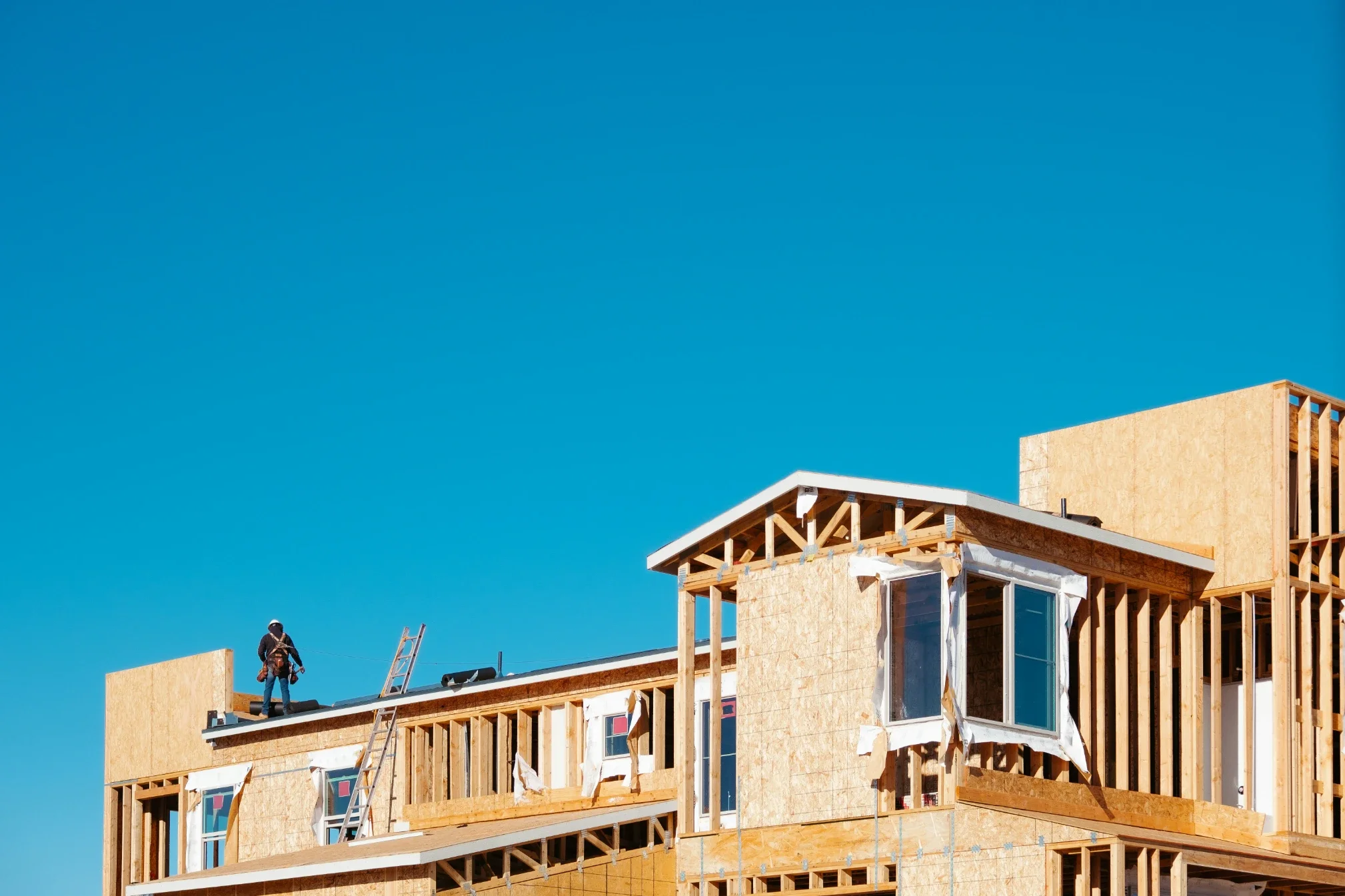
The style and structure of the home can have a major impact on cost. A single-story ranch home, modern farmhouse, barndominium, tiny house, modular home, or custom luxury home may all require different construction methods and materials.
For example, a simple one-story house may be easier and faster to build, while a two-story home may reduce foundation and roof area but increase framing complexity. A barndominium may offer cost advantages in some regions, but pricing depends heavily on steel, insulation, interior finish level, and local contractor experience.
Do Not Forget Site Work
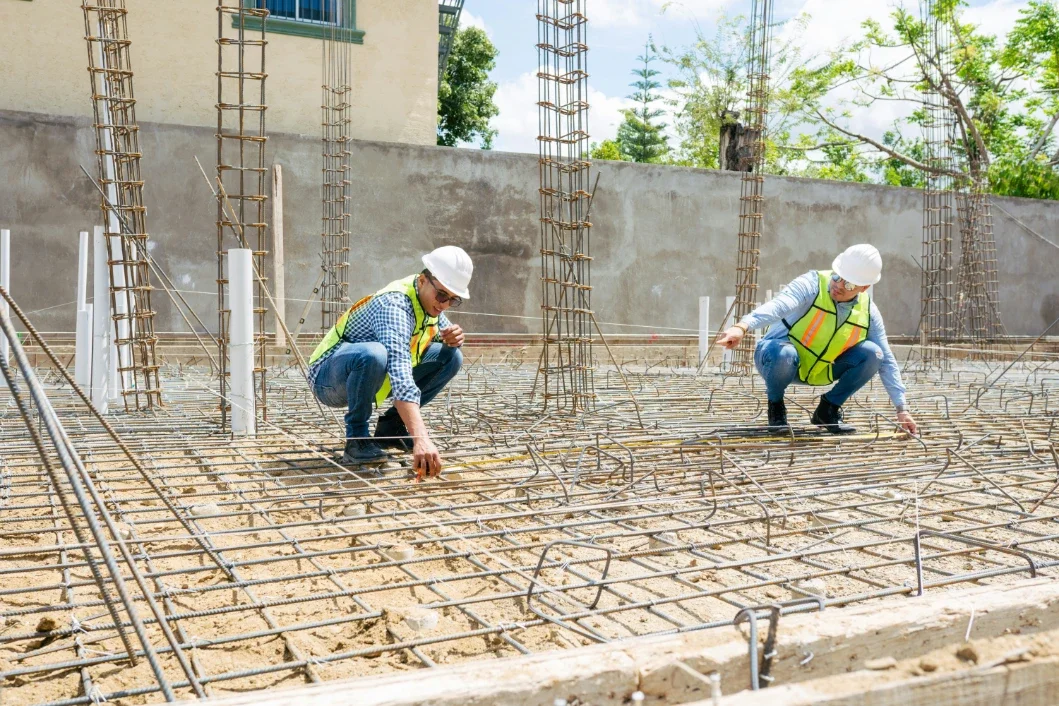
Many homeowners focus only on the house itself, but site preparation can be a major expense. Land clearing, grading, excavation, driveway installation, drainage, septic systems, wells, utility connections, and soil conditions can all affect the final cost.
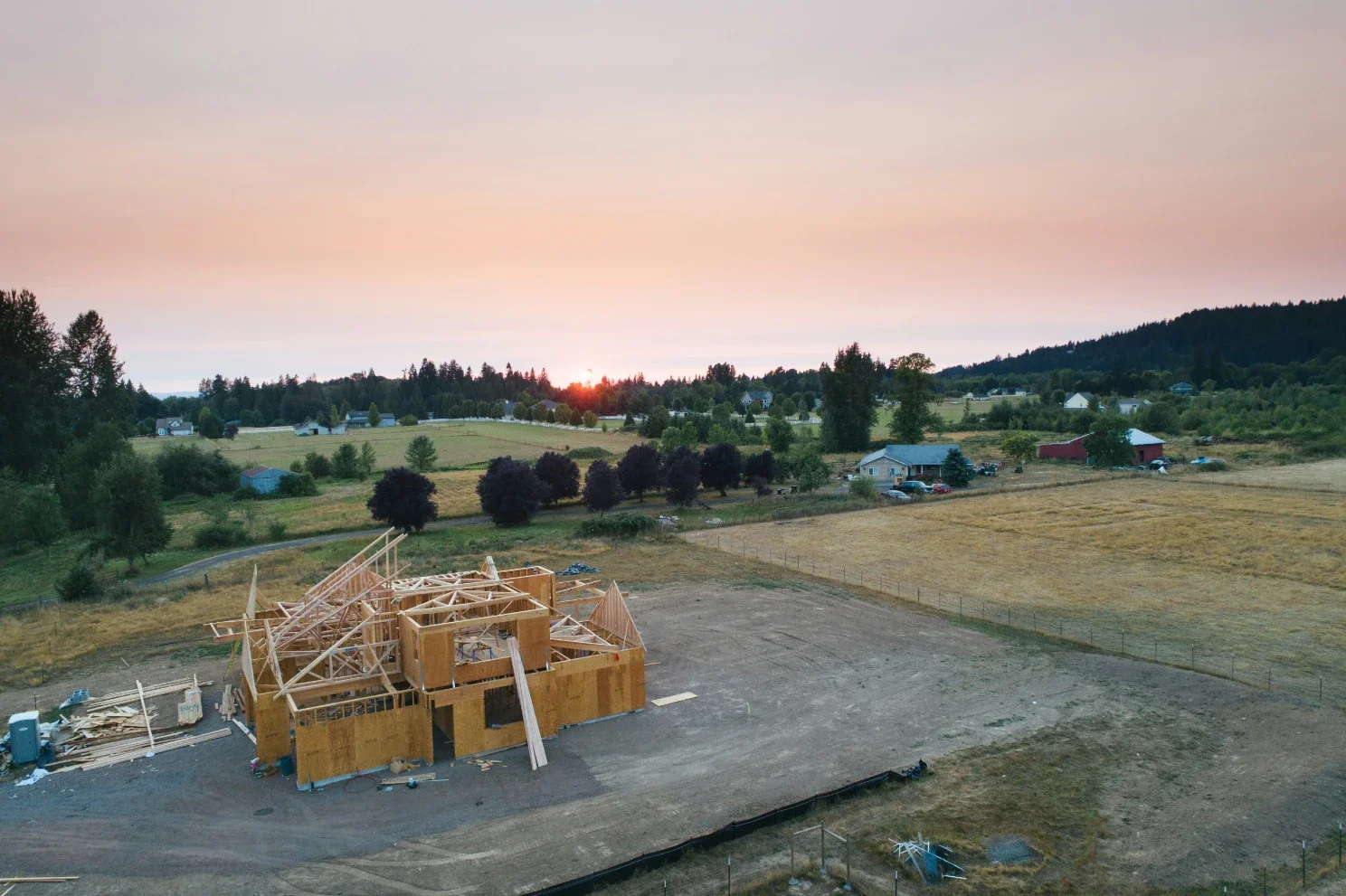
A flat lot with existing utilities will usually be much easier and cheaper to build on than a sloped rural lot that requires major grading, a long driveway, septic installation, and utility extensions.
Include Permits and Local Requirements
Permit costs vary widely depending on location. Some areas may have relatively low permit fees, while others may require expensive impact fees, plan reviews, engineering, inspections, energy compliance, or additional documentation.
Local building codes can also affect the budget. Snow load, wind speed, seismic requirements, fire zones, flood zones, and energy codes may require specific construction details that increase material and labor costs.
Materials and Finish Level Matter
Material choices can quickly change the total cost of a home. Flooring, roofing, siding, windows, doors, cabinets, countertops, fixtures, HVAC systems, insulation, and appliances all have budget, mid-range, and premium options.
For a more realistic estimate, homeowners should decide early whether they want a basic, standard, upgraded, or luxury finish level. This helps contractors provide more accurate bids and reduces the risk of cost increases later in the project.
Get Multiple Contractor Bids
After creating an initial budget, homeowners should request estimates from multiple contractors. Comparing bids can reveal large pricing differences, missing items, and unclear allowances.
A low bid is not always the best option. It is important to review what is included, what is excluded, the payment schedule, timeline, warranty, and how change orders are handled. A detailed bid can help prevent misunderstandings during construction.
Add a Contingency Budget
Even with careful planning, construction projects can have unexpected costs. Material price changes, weather delays, site issues, design revisions, and permit requirements can all increase the final budget.
Many homeowners add a contingency of 10% to 20% depending on the project complexity. This extra amount provides a financial cushion and helps reduce stress if unexpected expenses appear.
Final Thoughts
Estimating the cost to build a house is not just about calculating a price per square foot. A good budget should include location, design type, materials, labor, permits, site work, utilities, finish level, and a contingency amount.
Before starting construction, homeowners should research their local market, compare contractor bids, and use planning tools to understand the full cost picture. A more accurate estimate at the beginning can lead to better decisions, fewer surprises, and a smoother home building experience.
Stay up to date with our latest ideas!