Restoring the Performance of Older Windows Without a Complete Upgrade
Learn how to restore the performance of older windows without a complete upgrade, with practical tips for repairs, weatherproofing, insulation, and maintenance.

Windows do not suddenly become ineffective simply because they are old. In many homes, the frames and glass may remain structurally useful even when everyday performance starts to decline. A room may feel colder near the window, outside noise may become more noticeable, or a sash that once moved easily may become difficult to operate.
These changes can make replacement seem like the obvious answer, but installing entirely new windows is not always necessary. Taking a component-by-component approach can often restore performance while preserving much of the original installation.
Look Beyond the Age of the Window
Age alone does not determine whether a window needs to be replaced. Two windows installed at the same time can be in very different condition depending on sun exposure, moisture, maintenance, and frequency of use.
The first step is therefore to evaluate performance rather than focusing on installation date. Does the window lock securely? Is the glass intact? Does the sash sit correctly inside the frame? Are there signs of moisture around the opening?
Answering these questions provides a much clearer picture of what actually needs attention.
Correct Problems With Window Alignment
Years of movement within a house can affect the way windows sit inside their openings. Frames may shift slightly, hardware can loosen, and moving sections can fall out of alignment.
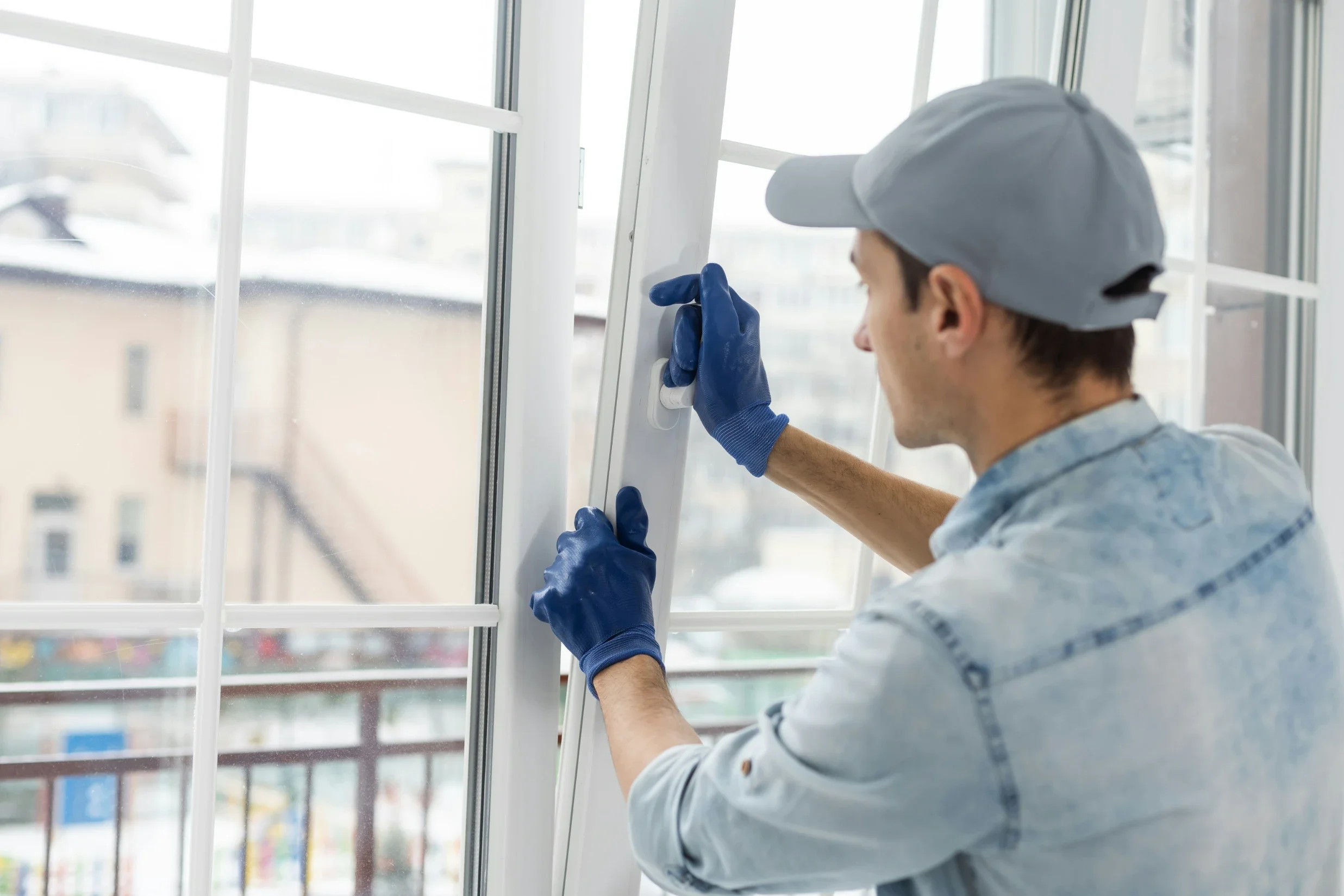
Poor alignment may create several symptoms at once. A window might become difficult to lock, develop a small gap on one side, or require extra force to close. Instead of replacing the complete unit, adjustments to hinges, balances, tracks, or other operating components may restore proper movement.
Homeowners looking into window repair in Addison IL can benefit from having these individual issues assessed before assuming that an aging window has reached the end of its useful life.
Pay Attention to Window Balances
Double-hung and single-hung windows often depend on balance mechanisms to help the sash move and remain in position. When these components wear out, the window may refuse to stay open or become unusually heavy to lift.
This can easily be mistaken for a problem with the entire window. In reality, the issue may be concentrated within the operating mechanism. Replacing damaged balances can make an older window easier and safer to use again.
Similar attention should be given to locks, latches, cranks, and handles. Small mechanical parts have a major influence on everyday window performance.
Manage Moisture Before It Spreads
Water is particularly damaging to older window systems. Moisture entering around an opening can affect trim, finishes, framing materials, and nearby walls.
Early warning signs may include discoloration, peeling finishes, soft wood, or dampness after heavy rain. Finding the source is more important than simply covering the visible damage.
Failed exterior sealing, deteriorated joints, or drainage problems may allow water to reach areas where it does not belong. Addressing the entry point early can help protect both the window and the surrounding building materials.
Reduce Unwanted Outdoor Noise
A noticeable increase in outside noise does not necessarily mean the glass needs to be replaced. Gaps caused by worn seals or windows that no longer close tightly can allow more sound into a room.
Restoring a tighter fit can therefore provide benefits beyond temperature control. Checking seals, closure points, and movable sections may help create a more comfortable indoor environment, particularly in homes near busy streets or active neighborhoods.
Maintain the Parts That Still Work
Preventive maintenance becomes increasingly important as windows age. Tracks should be kept free from debris, moving components should receive appropriate care, and exterior joints should be inspected periodically.
Homeowners should also watch for changes instead of waiting for complete failure. A lock that suddenly becomes difficult to engage or a sash that starts moving differently can indicate a developing problem.
Responding early may keep a minor repair from affecting other components.
Preserve Function Without Unnecessary Replacement
Aging windows often need attention, but attention does not always mean replacement. Alignment corrections, balance repairs, moisture control, hardware servicing, and improvements to closure can restore important aspects of their original performance.
Evaluating each window individually allows homeowners to spend money where it provides the greatest benefit. When the main structure remains dependable, targeted repairs can help older windows continue serving the home comfortably and effectively for years to come.
Stay up to date with our latest ideas!