Space-saving Cabinetry for Los Angeles Apartments
Discover space saving cabinetry ideas for Los Angeles apartments that maximize storage, enhance layout efficiency, and maintain a clean modern look.
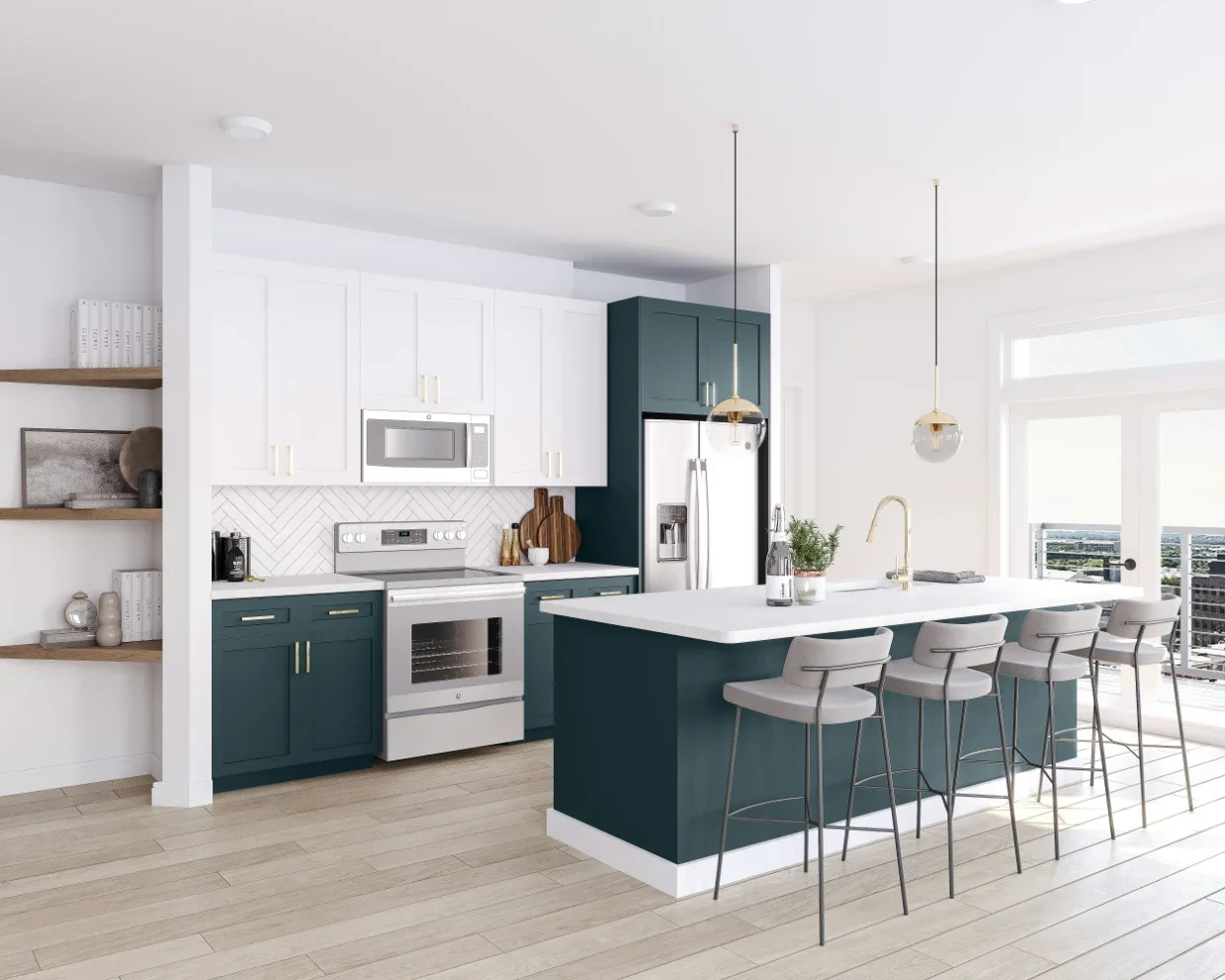
Apartment living in Los Angeles often comes with a familiar tradeoff: great location, limited square footage. Kitchens are compact, closets are shallow, and “extra storage” usually means a stack of bins that slowly takes over the floor. Well-planned cabinetry solves that problem without making the space feel boxed in.
The goal is not to fill every wall with cabinets. The goal is to use volume you already have (especially vertical height) and eliminate dead zones that collect clutter. Below are practical, space-first strategies that work especially well in LA apartments, condos, and smaller ADUs.
Start with constraints: clearances, doors, and building rules
Before you think about door styles or finishes, map out the constraints that define what’s possible:
Door swings, appliance doors, and drawer pull-outs (make sure they don’t collide).
Walkway clearances in narrow galley kitchens.
Windows, HVAC grilles, and baseboard heaters that limit cabinet placement.
HOA or building requirements for work hours, elevator use, and material delivery.
In a small space, a one-inch mistake can feel like a full redesign.
Use vertical height, but keep it usable
Many apartments waste the top third of the wall. Tall cabinetry can add significant storage, but it should be planned in layers:
Daily zone: drawers and shelves you use every day.
Weekly zone: upper cabinets for items you reach for often, but not constantly.
Seasonal zone: the highest cabinets for serving pieces, backups, and rarely used appliances.
If you go to the ceiling, consider how you’ll access the top. A slim step stool stored in a dedicated slot can make “high storage” practical instead of decorative.
Prioritize drawers over deep shelves
Deep shelves in lower cabinets look efficient on paper, but they tend to become layered storage where items disappear behind other items. In a small apartment kitchen, drawers are usually the better choice. They bring everything forward, reduce duplicate purchases, and make the space feel organized even when you’re busy.
Turn narrow gaps into high-value storage
Apartment kitchens often have awkward gaps: a few inches between the fridge and the wall, or a narrow run next to the range. Those gaps can be transformed into useful storage with slim pull-outs:
Spice and oil pull-outs near the cooktop.
Tray dividers for sheet pans and cutting boards.
Vertical storage for cleaning tools or a compact vacuum.
These elements don’t require a bigger kitchen. They require better planning.
Fix the “lost corner” problem
Corners are notorious for wasted volume. A corner cabinet is only space-saving if you can actually reach what’s inside. Depending on the layout, consider:
Pull-out corner systems that bring contents forward.
A lazy Susan for easy access to pantry items.
Using the corner for a drawer stack adjacent to it (sometimes the cleanest solution).
The best option is the one that matches what you store, not the one that looks most impressive.
Build in “drop zones” to stop clutter at the source
Small homes feel messy faster because there’s less surface area to absorb daily life. A shallow cabinet or built-in near the entry can hold keys, mail, bags, and chargers so they don’t migrate to the kitchen counter. Even a narrow wall can support a functional drop zone when it’s planned intentionally.
Use integrated panels to reduce visual noise
When a space is small, visual clutter matters as much as physical clutter. Clean cabinet lines, consistent door sizing, and integrated panels can make a compact kitchen feel calmer. If the room is open to the living area, consider cabinetry that reads like simple built-ins rather than a collection of separate boxes.
Choose interiors that do the work for you
Space-saving is not only about layout. Interior organization prevents overflow:
Trash and recycling pull-outs sized for your household.
Drawer dividers for utensils, wraps, and small tools.
Pull-out shelves for lower cabinets when drawers aren’t possible.
A dedicated zone for bulky items (mixers, air fryers) to keep counters clear.
When does custom cabinetry make sense in an apartment?
If you have irregular walls, tight clearances, or a layout that standard cabinets can’t solve cleanly, custom work can be worth it. Even partial custom solutions (one tall pantry, one built-in drop zone, or a clean media wall) can transform how a small home functions.
For more ideas on sleek, space-savvy layouts, read Interium’s guide to modern European kitchen cabinets.
Stay up to date with our latest ideas!