Beginner’s Guide to DIY Landscaping: Tools, Materials, and Tips for Success
Explore a beginner’s guide to DIY landscaping with essential tools, materials, and practical tips to plan, build, and maintain a beautiful outdoor space.
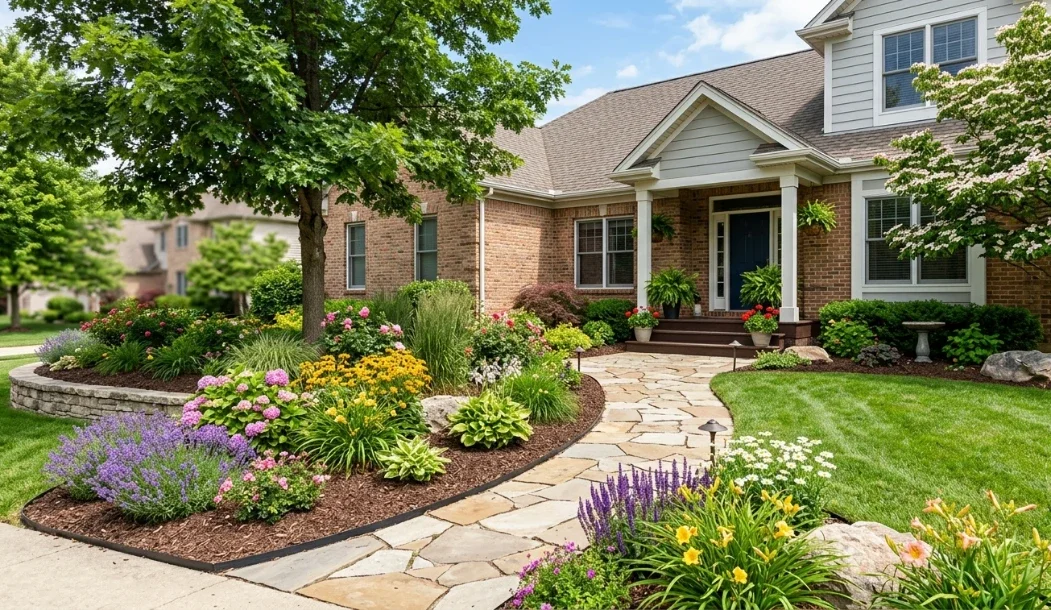
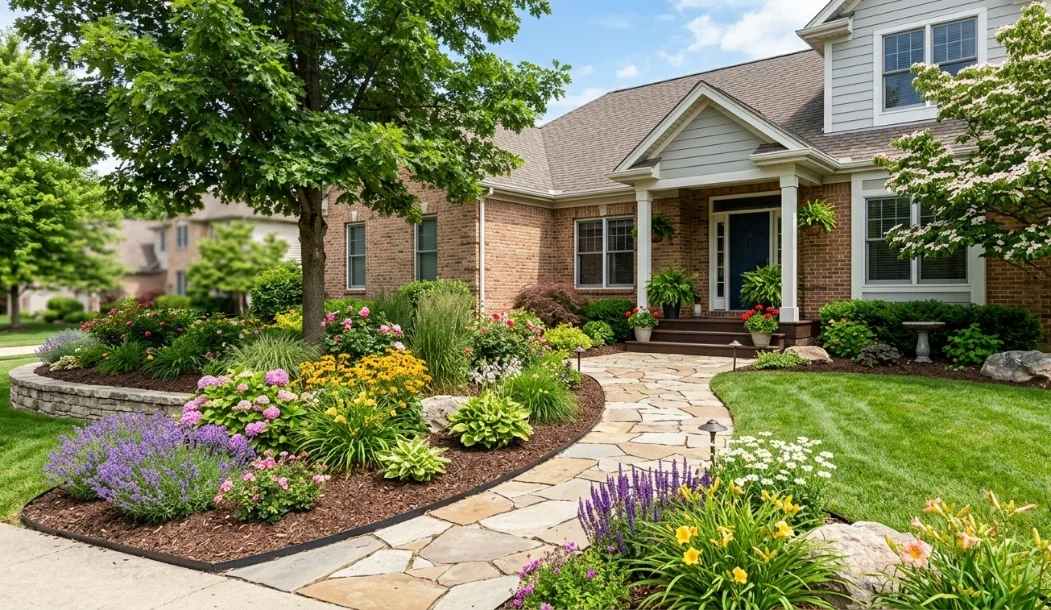
If you have ever dreamed of transforming your backyard into a beautiful outdoor space that reflects your personality and lifestyle, you are not alone. Many Australians are discovering the satisfaction of taking on landscaping projects themselves. Whether you want to create a relaxing garden retreat, a vibrant space for entertaining, or a practical area for the family, DIY landscaping can be an incredibly rewarding project. With the right tools, materials, and a bit of guidance, you can turn your vision into reality without the need for professional landscapers.
Understanding the Basics of DIY Landscaping
Before you pick up a shovel or buy any plants, it is essential to start with a clear plan. Begin by assessing your yard and identifying what you want to achieve. Are you looking to add value to your home, improve outdoor living space, or simply make your garden easier to maintain? Take the time to sketch a simple layout of your yard and mark where you want specific features such as garden beds, lawns, paths, or seating areas.
Consider your local climate and soil type as these will greatly influence which plants will thrive in your garden. Australia’s diverse regions mean that what works well in one area may not suit another. For example, tropical plants flourish in Queensland’s humidity, while drought tolerant natives are better suited for the drier parts of the country.
Essential Tools for DIY Landscaping
Having the right tools on hand will make your landscaping project much easier and more enjoyable. Some of the most useful basic tools include a sturdy shovel for digging and moving soil, a rake for smoothing surfaces, and a wheelbarrow for transporting materials such as mulch or gravel. Pruning shears and loppers are handy for trimming plants and shaping trees or bushes.
A good quality garden hose or watering can is essential for keeping new plants healthy, especially during dry spells. If you plan to lay turf or create garden beds, a spade and garden fork will help you turn and aerate the soil. For those who are planning to install paving, a spirit level, mallet, and measuring tape will ensure your paths and patios are even and well aligned.
It is also worth investing in safety equipment such as gardening gloves, protective eyewear, and sturdy boots. Landscaping can involve heavy lifting and sharp tools, so protecting yourself should always be a top priority.
Choosing the Right Materials
The materials you choose for your landscaping project will depend on the style and purpose of your outdoor space. Natural materials such as timber, stone, and gravel create a timeless look that blends beautifully with Australia’s natural environment. Pavers and concrete are durable choices for driveways, paths, and entertaining areas.
When selecting soil or mulch, choose high quality options that will nourish your plants and help retain moisture. Organic mulch not only improves soil health but also helps prevent weeds. For garden edging, materials like treated timber, metal, or stone can help define your garden beds and give your space a neat, polished look.
If you are creating a lawn, decide between natural turf and synthetic grass. Natural turf offers a lush and cool surface but requires regular maintenance such as mowing and watering. Synthetic grass, on the other hand, is low maintenance and stays green all year round, though it can be more expensive to install initially.
Planning Your Plant Selection
One of the most enjoyable parts of landscaping is choosing your plants. To create a cohesive look, select a mix of trees, shrubs, flowers, and groundcovers that complement each other. Think about colour, texture, and seasonal changes. Natives such as kangaroo paw, grevillea, and bottlebrush are excellent choices because they attract birds and are well suited to Australian conditions.
It is also wise to consider how much sunlight and shade each area of your garden receives throughout the day. Some plants thrive in full sun, while others prefer partial shade. Grouping plants with similar water and sunlight needs will make it easier to maintain your garden in the long term.
Tips for a Successful DIY Landscaping Project
Start Small
If you are new to landscaping, begin with a manageable area. This will help you build confidence and learn as you go. Once you are happy with the results, you can expand your project to other parts of your yard.Prepare the Ground Properly
Good preparation is key to a long lasting garden. Remove weeds, rocks, and debris before planting or laying turf. Improving the soil with compost or organic matter will give your plants the nutrients they need to thrive.Work with the Natural Shape of the Land
Instead of trying to fight your yard’s natural slope or contours, work with them. Gentle slopes can help with drainage and create visual interest. If you need to level certain areas, use retaining walls or garden beds to add structure.Think About Water Efficiency
Water is a precious resource in Australia, so plan your garden with efficiency in mind. Install a drip irrigation system to deliver water directly to plant roots and reduce evaporation. Mulching also helps retain moisture and keeps the soil cool.Add Personal Touches
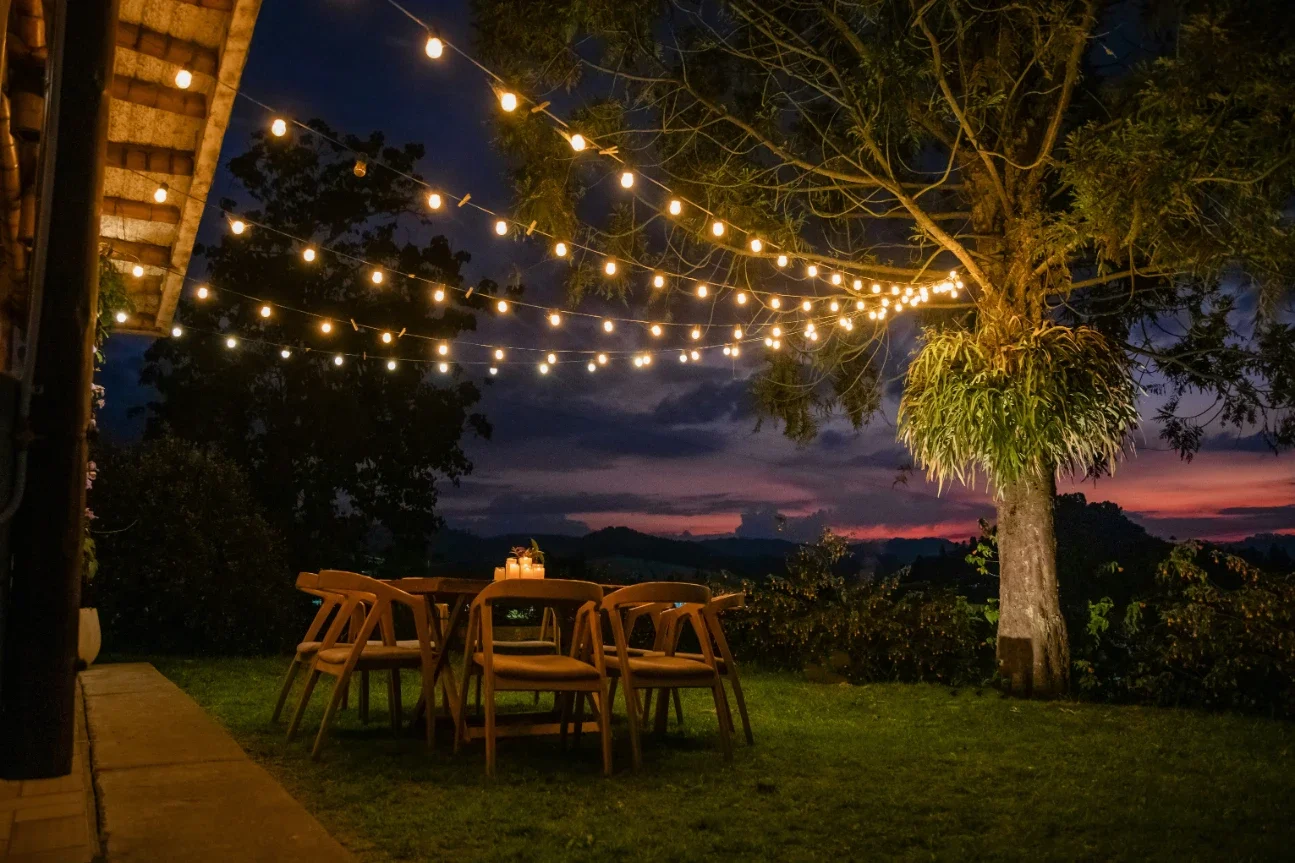
Your garden should reflect your personality and lifestyle. Consider adding decorative features such as garden sculptures, lighting, or furniture. A small fire pit or water feature can create a relaxing atmosphere and make your outdoor space more inviting.Regular Maintenance is Key
Once your landscaping project is complete, ongoing care will ensure it continues to look great. Prune plants regularly, remove weeds, and keep an eye out for pests. Seasonal tasks such as fertilising and mulching will keep your garden healthy all year round.
The Benefits of DIY Landscaping
Taking on your own landscaping project offers more than just a beautiful yard. It gives you a sense of pride and accomplishment knowing that you have created something with your own hands. It can also save you money compared to hiring professionals and increase the value of your home.
Beyond the financial benefits, spending time outdoors gardening and landscaping has proven mental and physical health advantages. It encourages you to stay active, reduces stress, and allows you to connect with nature.
Final Thoughts
DIY landscaping can seem daunting at first, but with a little planning, the right tools and equipment, and a willingness to learn, anyone can create a stunning outdoor space. Start with a clear vision, use quality materials, and take your time to enjoy the process. Remember that a great garden evolves over time, and even small improvements can make a big difference.
Whether you are planting native shrubs, laying a new lawn, or building a peaceful corner to relax in, every effort you put in will bring lasting rewards. So roll up your sleeves, get your hands into the soil, and start shaping the garden of your dreams today.
Stay up to date with our latest ideas!