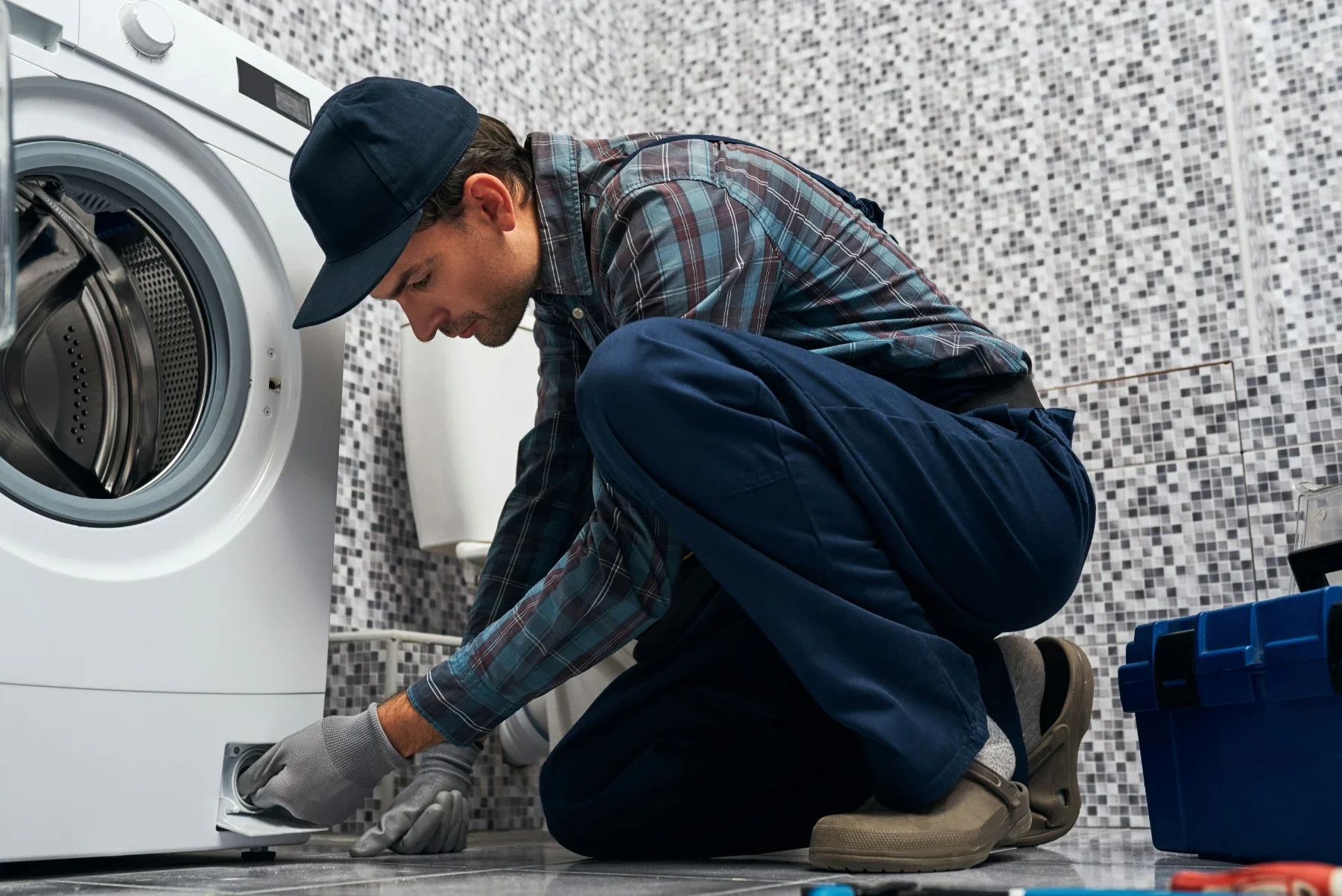
DIY Appliance Repair: What You Can Fix Yourself and When to Call a Pro in Atlanta
Learn which DIY appliance repairs you can handle yourself and when to call a professional in Atlanta to avoid damage, safety risks, and costly mistakes.

Key Takeaways
Many appliance problems are caused by simple maintenance issues, not major breakdowns.
Basic DIY repairs are safe when they do not involve gas lines, refrigerant systems, or internal electrical components.
Always unplug electric appliances and shut off gas or water before inspecting them.
Atlanta’s heat, humidity, and seasonal storms can accelerate appliance wear.
If you smell gas, see sparks, or suspect refrigerant leaks, stop immediately and call a professional.
Preventive maintenance is often the difference between a $30 fix and a $400 repair.
If you own a home in Atlanta, you know the feeling. It is 95 degrees outside in July, you open the refrigerator for a cold drink, and something feels off. The milk is not as cold as it should be. Or maybe your dryer suddenly decides it needs two full cycles to dry a single load of towels.
Appliance issues never show up at convenient times.
When problems happen, many homeowners immediately start searching for appliance repair in Atlanta. But before scheduling a service call, it is worth knowing that many common appliance issues are not catastrophic failures. They are maintenance problems, small clogs, loose parts, or buildup that you can safely handle yourself.
The key is knowing where your DIY skills are enough and where professional help is the smarter move.
Why DIY Appliance Repair Makes Sense in Atlanta
Atlanta homes experience unique stress on appliances:
Long, hot summers
High humidity
Sudden summer storms and power surges
Busy households with heavy appliance use
Refrigerators work harder in extreme heat. Dryers struggle when humidity slows evaporation. Washer hoses wear faster in moisture-heavy environments.
What looks like a “major failure” is often just an overworked system that needs cleaning or adjustment.
Before assuming the worst, a careful inspection can save you money and stress.
What You Can Fix Yourself
Let’s break down the issues that many homeowners can safely handle.
1. Refrigerator Not Cooling Properly
This is one of the most common summer complaints in Atlanta.
Before you panic, check:
Dirty condenser coils
Blocked interior air vents
Incorrect temperature settings
Worn or loose door gaskets
In my experience, dirty coils are the most overlooked issue. In humid environments, dust sticks more aggressively and traps heat around the system.
DIY Fix:
Unplug the refrigerator and gently vacuum or brush the condenser coils. It takes about 15 minutes and can dramatically improve cooling.
Give the fridge 24 hours to stabilize. If cooling improves, you likely avoided a costly service call.
Call a Pro If:
You hear repeated clicking from the compressor
The fridge runs nonstop without cooling
There is ice buildup that returns quickly
Refrigerant and compressor repairs require specialized tools and training.
2. Dryer Not Heating
Few things are more frustrating than running the same load twice.
In Atlanta, humidity makes dryers work harder, and clogged vents are extremely common.
DIY Checklist:
Clean the lint trap thoroughly
Vacuum inside the lint housing
Inspect and clean the exterior vent
Disconnect and clear the vent hose
You would be surprised how often this solves the issue completely.
Call a Pro If:
The breaker keeps tripping
You smell burning
The dryer hums but does not spin
Electrical components and heating elements require careful handling. That’s why you should leave the appliance repair to professionals.
3. Washer Not Draining
If you open your washer and find water sitting in the drum, do not assume the worst.
Common causes include:
Clogged drain filters
Coins or small objects stuck in the pump
Kinked drain hoses
DIY Fix:
Unplug the washer, locate the drain filter, and carefully clean it. Keep towels nearby, as water is likely to spill out.
Many homeowners are surprised to find small items, such as hair ties or pocket change, causing the blockage.
Call a Pro If:
You hear grinding or screeching
The machine smells like something is burning
The control panel does not respond
Internal pump or motor replacements are not beginner-friendly repairs.
4. Dishwasher Leaving Residue
Cloudy glasses or gritty dishes are often maintenance issues, especially in Atlanta, where the water has high mineral content.
DIY Fix:
Remove and clean the filter
Inspect spray arms for clogs
Run a cleaning cycle with dishwasher cleaner
Use the correct detergent amount
Thankfully, a simple deep clean often restores performance.
Call a Pro If:
The dishwasher does not fill with water
Water pools underneath the unit
The control panel behaves erratically
Leaks can quickly damage flooring and cabinets. Call an expert as soon as possible.
5. Stove Burners Not Igniting
For electric burners, reseating the coil often fixes uneven heating.
For gas burners, cleaning debris from burner ports frequently restores ignition.
Important Safety Reminder:
If you smell gas, leave the area immediately and contact your gas provider or a licensed technician. Gas appliance repairs should not go beyond surface cleaning for DIYers.
When You Should Always Call a Professional
There is no shame in knowing your limits. In fact, it is the smarter choice.
Call a professional for:
Electrical Issues
Repeated breaker trips
Sparks or burn marks
Melted wires
Electrical fires can start silently and spread quickly.
Gas Appliance Problems
Gas odors
Delayed ignition
Yellow flames instead of blue
Gas systems require proper leak testing equipment.
Refrigerant Leaks
Sealed cooling systems are not DIY projects. Handling refrigerant without certification is unsafe and illegal.
Major Component Replacements
Compressors
Control boards
Motors
Transmission assemblies
These parts are expensive, and misdiagnosis can double your costs. That’s why it is crucial to get professional help.
The Cost Perspective: DIY vs Professional Repair in Atlanta
A smart homeowner thinks beyond the immediate problem.
DIY expenses often include:
Cleaning supplies
Replacement filters
Basic tools
Minor parts
Usually between $20 and $150.
Professional repair costs in Atlanta commonly range from:
$150 to $400 for standard repairs
$500 or more for major components
You might have seen this rule online, and there’s a reason why repair technicians and homeowners use it. It makes sense that if repair costs exceed half the value of a new appliance and the unit is over 10 years old, replacement may be the better investment.

Safety Guidelines Every DIYer Should Follow
Before touching any appliance:
Unplug it
Shut off water supply lines
Turn off gas valves
Wear gloves
Keep children and pets away
And perhaps most important: do not rush.
Many appliance mistakes happen because someone is trying to fix something quickly before work or late at night when tired. Take your time.
Preventative Maintenance for Atlanta Homes
Based on my experience, the most expensive repairs start as ignored maintenance.
Monthly
Clean dryer lint areas
Wipe refrigerator seals
Inspect dishwasher filter
Quarterly
Clean refrigerator coils
Check washer hoses
Clean stove burners
Annually
Deep clean dryer vent system
Inspect water lines
Evaluate overall appliance performance
In Atlanta’s climate, maintenance is not optional. It protects your investment.
When Replacement Makes More Sense
There are times when replacing the appliance is the smartest move.
Consider replacing if:
The appliance is 10 to 15 years old
Repairs are becoming frequent
Energy bills are climbing
Parts are hard to find
Newer appliances are more energy-efficient, often quieter, and more reliable.
Frequently Asked Questions
Is it safe to repair appliances yourself?
Yes, for minor maintenance and basic repairs. It is not safe to handle gas lines, refrigerant systems, or complex electrical components without training.
How do I know if my appliance problem is serious?
Warning signs include burning smells, gas odors, sparks, repeated breaker trips, loud grinding noises, or water leaking underneath the unit.
Does Atlanta’s climate affect appliance lifespan?
Yes. High heat and humidity cause appliances to work harder, especially refrigerators and dryers.
How often should I clean my dryer vent in Atlanta?
At least once per year, and more often if you run frequent laundry loads. Clogged vents are a leading cause of dryer failure and household fires.
Is it cheaper to repair or replace an appliance?
If the repair costs less than half the price of a new appliance and the unit is under 10 years old, repair is typically the better option.
Final Thoughts: DIY Confidence with Clear Boundaries
There is real satisfaction in fixing something yourself. Cleaning clogged coils and hearing your refrigerator kick back into proper cooling feels good. Clearing a dryer vent and seeing clothes dry in one cycle again is rewarding.
DIY appliance repair in Atlanta is practical and often cost-effective. But confidence should never replace caution.
Fix what is clearly maintenance-related. Stop when you encounter electrical, gas, or sealed system components. And remember that protecting your home and family is always more important than saving a service call fee.
A balanced approach keeps your appliances running and your home safe, so you can focus on living in it instead of constantly fixing it.
Stay up to date with our latest ideas!