Why Regular Commercial Appliance Maintenance Matters for Businesses
Learn why commercial appliance maintenance matters, how to spot common equipment problems, and when professional repair can help protect business operations.
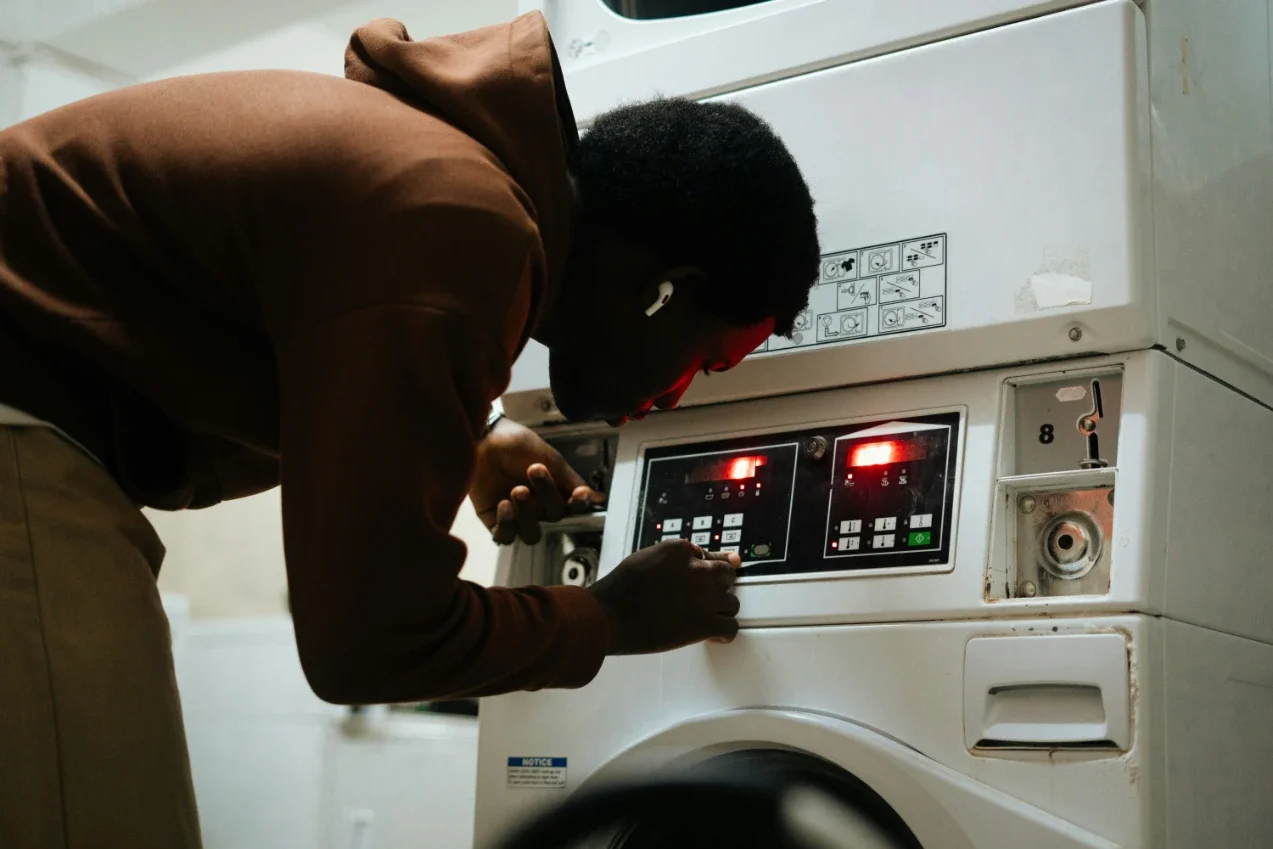
Commercial kitchens and food service businesses rely on appliances throughout the day. Refrigerators, freezers, ovens, ice machines, dishwashers, and other equipment often operate for long hours under demanding conditions. When equipment stops working, the consequences can extend beyond an inconvenient repair. Commercial Appliance Repair can help businesses address equipment problems efficiently, while routine maintenance can reduce the likelihood of unexpected breakdowns and keep essential operations running smoothly.
Why Commercial Appliances Need Regular Attention
Commercial appliances generally experience heavier use than residential equipment. A refrigerator in a restaurant, for instance, may be opened repeatedly throughout the day, while cooking equipment can operate for hours at a time.
This constant workload places additional stress on mechanical and electrical components.
Regular maintenance can help businesses identify:
Worn components
Temperature problems
Electrical issues
Blocked ventilation
Damaged seals
Unusual noises
Performance changes
Finding these issues early may allow a business to address them before they develop into larger failures.
Common Commercial Appliance Problems
Different appliances have different failure points, but several problems occur frequently across commercial environments.
Refrigeration Problems
Commercial refrigerators and freezers must maintain appropriate temperatures to protect food and ingredients.
Warning signs can include excessive frost, unusual compressor noises, inconsistent temperatures, or water accumulation.
Temperature problems should be investigated promptly because prolonged exposure to unsuitable conditions can affect food quality and increase waste.
Cooking Equipment
Ovens, ranges, grills, and other cooking appliances experience significant heat and frequent use.
Uneven heating, ignition problems, unusual smells, or inconsistent cooking results may indicate that equipment requires professional inspection.
Ignoring these symptoms can affect food preparation and potentially interrupt service during busy periods.
Ice Machines
Ice machines depend on reliable water flow, cooling components, and regular cleaning.
Reduced ice production, unusual noises, leaks, or changes in ice quality can indicate a maintenance issue. Regular cleaning is also important for maintaining hygienic operation.
Why Preventative Maintenance Is Worth Considering
Waiting until an appliance completely fails can create unnecessary pressure for a business.
Preventative maintenance allows technicians to inspect equipment during planned service periods rather than responding only after a breakdown occurs.
A maintenance schedule can include:
Inspecting major components
Cleaning appropriate parts
Checking temperature controls
Examining electrical connections
Testing equipment performance
Identifying components showing signs of wear
The exact schedule should depend on the type of appliance, frequency of use, manufacturer recommendations, and operating environment.
Signs That Professional Service May Be Necessary
Some problems are relatively obvious, while others develop gradually.
Business owners and managers should pay attention when an appliance:
Produces unusual sounds
Takes longer to reach temperature
Consumes more energy than usual
Repeatedly shuts down
Produces inconsistent results
Shows visible leaks
Trips electrical protection devices
A professional technician can determine whether the problem involves a replaceable component, electrical system, mechanical part, or another issue.
Repairs vs. Replacement
Not every malfunction means an appliance needs to be replaced.
When deciding between repair and replacement, consider the equipment's age, repair history, operating efficiency, availability of replacement parts, and estimated repair cost.
A relatively minor component failure may make repair the sensible choice. On the other hand, an older appliance with frequent breakdowns and rising operating costs may be approaching the end of its useful service life.
A professional assessment can provide useful information before a business makes a major purchase.
Reducing Disruption During Repairs
Commercial appliance problems can interfere with normal operations, so scheduling service strategically can be important.
Whenever possible, businesses can arrange routine maintenance during quieter operating periods. Managers should also understand which appliances are essential to daily operations and have a plan for temporary alternatives when equipment requires extended service.
Keeping basic equipment records can help technicians diagnose recurring problems more efficiently.
Good Maintenance Starts With Daily Habits
Professional service is only one part of appliance care. Employees can also help protect equipment through proper daily use.
Staff should follow operating instructions, avoid overloading equipment, keep ventilation areas clear, and report unusual behavior as soon as it appears.
Cleaning should also be performed according to the appliance's requirements. Accumulated grease, food residue, dust, and mineral deposits can affect both performance and hygiene.
Final Thoughts
Commercial appliances are essential working tools for many businesses, particularly restaurants, cafés, hotels, bakeries, and other food service operations. Keeping these appliances properly maintained can support reliable performance and help reduce unexpected interruptions.
A combination of daily care, scheduled maintenance, and timely professional repairs gives businesses a practical way to protect their equipment. Instead of waiting for a complete failure, paying attention to early warning signs can make appliance management more predictable and help businesses keep their operations moving.
Stay up to date with our latest ideas!