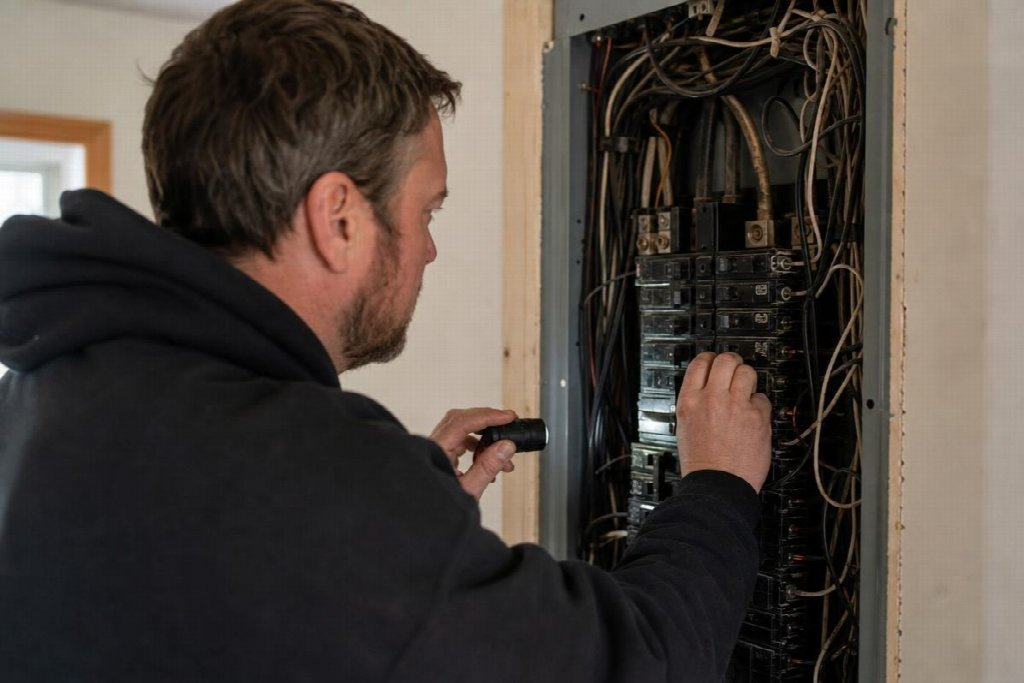
Learn how to tell if your home needs electrical rewiring before it becomes a safety hazard by recognizing warning signs and preventing costly electrical issues.
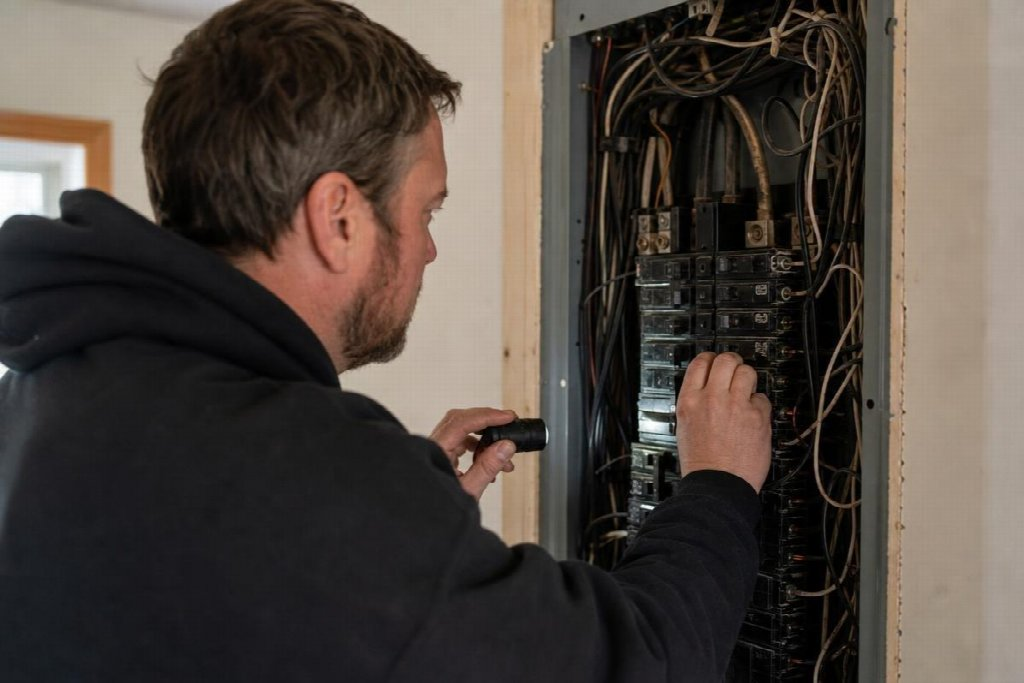
Older homes in Grand Rapids can hide serious electrical problems behind walls that look perfectly fine. If your house was built before 1975, there's a real chance the wiring hasn't kept pace with how much power modern appliances demand. Learning to recognize old wiring hazards in Grand Rapids homes early can prevent a small problem from turning into a fire hazard. Grapids Home Services has been helping West Michigan homeowners identify and address electrical concerns since 1999, with a BBB A+ rating that reflects their track record of honest, reliable work.
Why Older Grand Rapids Homes Are Prone to Wiring Problems
If your home was built between 1940 and 1975, your wiring may be quietly working against you. Grand Rapids neighborhoods like Creston, Heritage Hill, and the West Side have a high concentration of homes from that era. Many still carry original or only partially updated electrical systems, and a good number were originally wired for just 60-amp service.
Old wiring was designed for far smaller electrical loads. Families in the 1950s ran a refrigerator, a few lamps, and a radio. Today's homes run dishwashers, EV chargers, smart devices, and multiple large appliances at once, often pulling two or three times the load the original panel was rated for. That gap matters, and West Michigan's freeze-thaw climate, with humid summers and long, cold winters, can accelerate the breakdown of brittle insulation in unconditioned attics and basements.
The tricky part is that wiring problems rarely announce themselves clearly. Most of the early symptoms look like minor annoyances. A flickering light. A breaker that trips occasionally. A warm outlet. Easy to dismiss. Harder to ignore once you know what they mean.
Old wiring in a 1950s or 1960s home is not automatically dangerous, but age is a real risk factor. Insulation on aging electrical systems becomes brittle over time. Connections loosen. Circuits that were never meant to carry modern loads get pushed past their limits. That is when a real concern develops.
Warning Signs You Can Spot Without Opening a Wall
Lights that flicker or dim when appliances turn on
Breakers that trip repeatedly on the same circuit
Outlets or switch plates that feel warm to the touch
A burning smell near outlets, panels, or fixtures
Outlets with only two prongs and no ground slot
A fuse box instead of a circuit breaker panel
Discolored or charred outlet covers
Any one of these signs is worth taking seriously. A Grapids Home Services' electrical safety inspection can identify whether these symptoms point to a wiring problem or something less serious. If you want a clear answer for your specific home, request an inspection before small issues turn into expensive emergencies.
The Four Diagnostic Signs Worth a Closer Look
The symptoms above tell you something may be wrong. The four signs below tell you what is likely happening behind the wall and why each one deserves attention. More than one of these at the same time means your home needs a professional look before the situation gets worse.
Why Does My Breaker Keep Tripping on the Same Circuit?
A single tripped breaker is normal. The same breaker tripping every week is not.
Repeated trips on one circuit usually mean the circuit is overloaded or the breaker itself is failing. Homes built before 1980 often have 60-amp or 100-amp panels that simply cannot handle the load of modern appliances. Michigan has also adopted the National Electrical Code, which now requires AFCI breakers, breakers that detect dangerous arcing faults, in bedrooms and living areas for new construction and major renovations. Older panels cannot meet that standard, which is one reason many rewiring projects start at the panel.
Why Do My Lights Flicker or Dim When Appliances Run?
A flickering light caused by a loose bulb is harmless. Lights that dim every time a large appliance starts up are a different problem.
That dimming points to voltage fluctuations from loose wiring connections or an undersized service entrance. It means your home's electrical system is struggling to share the load. That kind of strain on deteriorating wiring in older homes warrants a professional inspection, not a wait-and-see approach.
What Does a Burning Smell or Discolored Outlet Plate Mean?
Brown or black scorch marks around an outlet plate mean arcing has already happened in your home.
Arcing is when electricity jumps across a gap in damaged or loose wiring, generating intense heat in the process. This is not a minor issue. Do not use that outlet again until a licensed electrician assesses it. A Grapids Home Services' electrical safety inspection can identify whether the damage is isolated to one outlet or part of a larger wiring problem behind the wall.
Why Does My Outlet Spark or Feel Warm to the Touch?
A brief, small spark when plugging in a device can be normal. A large spark, a persistent spark, or warmth on the outlet cover plate is not.
Warmth on a cover plate means the wiring behind it is loose or damaged and generates heat under load. In older homes across Eastown, Midtown, and similar neighborhoods with housing stock from the 1940s through the 1970s, this is one of the clearest signals that a home may need rewiring. If your outlets show any of these symptoms, that circuit should be treated as unsafe until a professional evaluates it. To get ahead of the problem, call Grapids Home Services today for a hands-on assessment.
Frequently Asked Questions
How Much Does Home Rewiring Cost in Grand Rapids?
Cost depends on home size, wiring type, and how much of the system needs to be replaced. As a rough guide in the Grand Rapids market, a panel upgrade typically runs in the range of $1,500 to $4,000, while whole-home rewiring on an older two-story home can run several thousand dollars more. Costs climb when knob-and-tube or aluminum wiring has to be removed and replaced, when walls have plaster rather than drywall, and once permit and inspection fees are factored in. A panel upgrade is a very different project than whole-home rewiring. Grapids Home Services offers free estimates, which is the right starting point for getting an accurate number for a specific home.
How Long Does Rewiring a House Take?
A single circuit or room can often be finished in a day. Whole-home rewiring on a typical Grand Rapids house in the 1,200 to 2,000 square foot range usually takes several days to a week. Access to walls and the complexity of the existing system both affect the timeline.
Do Homeowners Need to Move Out During Rewiring?
Minor work rarely requires leaving. Whole-home rewiring involves extended power outages and often means opening walls, so some homeowners choose to stay elsewhere temporarily, especially during Michigan winters when going without heat or power for a full day is not practical. For smaller projects, electricians can usually work circuit by circuit so most of the house keeps power, allowing you to remain at home. A licensed electrician will walk you through the daily schedule, which areas will lose power, and how long each phase takes before any work begins, so you can decide what is comfortable for your family.
Do You Need a Permit for Electrical Work in Michigan?
Yes. Michigan requires a permit for electrical work, pulled by a licensed electrical contractor. Michigan follows the National Electrical Code, which includes AFCI breaker protection requirements for bedrooms and living areas in renovations. In Grand Rapids, the City of Grand Rapids Building Safety Department issues permits and conducts inspections. Permits protect homeowners for insurance purposes and are required at resale. Skipping this step creates real problems down the road.
Knowing Grapids Home Services' electrical safety inspection process can help homeowners understand what a licensed electrician looks for before any permit work begins.
How Can You Tell If a Home Has Knob-and-Tube Wiring?
Check the basement or attic. Knob-and-tube wiring uses small white ceramic cylinders, called knobs, nailed to joists with single wires running through them. Ceramic tubes appear where wires pass through framing. This wiring is common in Grand Rapids homes built before 1950, including many properties in Heritage Hill and Creston. If knob-and-tube is present, a licensed electrician should assess whether it is still active. These are among the clearest reasons older homes get rewired and a key reason electrical safety in Grand Rapids, MI is a frequent concern for buyers.
About Grapids Home Services
Founded in 1999 by D. Nathan Engelsma, Grapids Home Services is a Grand Rapids-based home services company specializing in HVAC, plumbing, and electrical work for homeowners throughout West Michigan. The company holds a BBB A+ Rating and is both BBB Accredited and HomeAdvisor Screened and Approved. Their licensed electricians work daily in the older housing stock that defines neighborhoods like Heritage Hill, Creston, and the West Side, so they understand the realities of 60-amp panels, brittle insulation, and knob-and-tube wiring firsthand. You can find them at 3325 3 Mile Road NW, Grand Rapids, MI 49534. If your home is showing any of the signs above, schedule a free estimate and get a clear, honest read on what your wiring actually needs.
Stay up to date with our latest ideas!