Learn why standard drain snaking often fails on Phoenix's mineral coated sewer lines and discover more effective solutions for lasting drain performance.

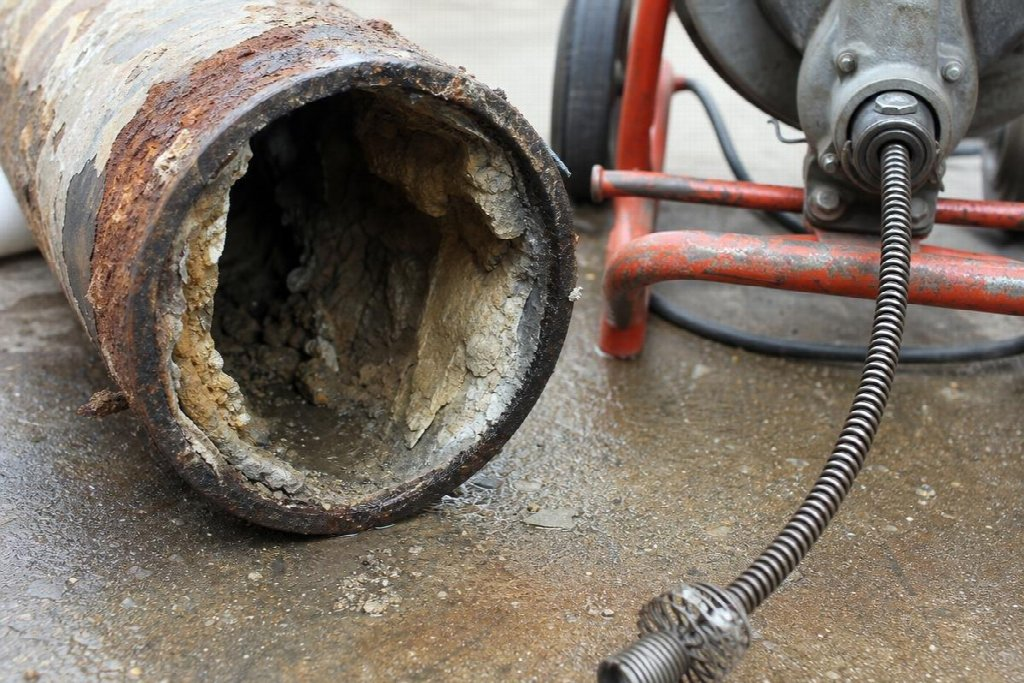
Phoenix tap water is some of the hardest in the country, regularly testing above 300 parts per million in mineral content. That hardness coats the inside of sewer lines over time, narrowing the pipe walls and creating a surface that a standard drain snake simply scrapes past without removing. For homeowners in older Phoenix neighborhoods, that buildup can turn a routine slow drain into a recurring problem that no amount of snaking seems to fix. Penguin Air, Plumbing & Electrical, serving the Phoenix Valley since 2011, explains why the snake often falls short and what actually works.
Why Does Your Drain Keep Clogging Even After Snaking?
A drain snake is a flexible metal cable that rotates through the center of a pipe, punching through soft blockages like hair, grease, and food debris. But the cable travels down the middle of the pipe and never touches the pipe walls. That distinction matters more in the Greater Phoenix area than almost anywhere else in the country.
Why Phoenix's Water Makes This Worse
The U.S. Geological Survey classifies anything above 180 ppm as "very hard," and Phoenix's supply lands well past that line. Water arrives from the Colorado River and the Salt River Project system, both carrying high dissolved mineral content through limestone and mineral-rich desert geology. By the time it reaches the tap, it is loaded with calcium and magnesium carbonate that deposits inside every pipe in the home.
Those minerals bond to interior pipe walls as calcium carbonate scale, slowly narrowing the pipe diameter. Industry field observations in very-hard-water regions put scale accumulation at roughly one to three millimeters per decade in older metal lines, meaning a 4-inch sewer line laid in the 1980s can lose a meaningful share of its usable diameter by today. A snake clears the soft clog in the center; the hardened mineral ring stays in place, ready to catch the next load of debris.
Cast Iron Makes the Problem Worse
Older homes in areas like Maryvale and along the I-10 corridor, many built between the 1970s and 1990s, often have cast-iron or galvanized steel sewer lines. Cast iron's rougher interior surface gives calcium carbonate more texture to grip, so scale accumulates faster than on smooth PVC. Slab-on-grade construction, the dominant foundation type across the Valley, limits access to those lines, making early maintenance especially important, since any repair beneath a concrete foundation becomes a significant project.
How Hard Water Leaves Scale Inside Sewer Lines
When water temperature shifts or flow slows, calcium carbonate precipitates out of solution and sticks to pipe surfaces. Bends, joints, and low-flow sections collect the heaviest deposits because water lingers there longest. The resulting scale is porous and rough at a microscopic level, gripping grease, soap scum, and food particles far more effectively than a clean pipe wall, so the next clog builds faster than the last.
Mature mesquite and citrus trees common in older residential yards add another layer of trouble. Their roots seek moisture aggressively, and a scale-narrowed sewer line is exactly the kind of slow, damp target they find. A hydro jetting service from Penguin Air, Plumbing & Electrical addresses both the mineral coating and any early root intrusion in a single treatment, something a snake simply cannot do.
Frequently Asked Questions
Is hard water really that much worse in Phoenix than other cities?
Yes, significantly. The national average sits between 100 and 150 ppm, while the Valley's supply runs more than double that. The water comes from the Colorado River and Salt River Project system, both naturally high in dissolved calcium and magnesium, which explains why mineral scale builds up so much faster here than in most other cities.
How often should Phoenix homeowners have their sewer lines cleaned?
Most plumbing professionals recommend professional sewer line cleaning every 18 to 24 months for homes in the greater Chandler, Gilbert, and Tempe areas. Homes with cast-iron lines, mature trees nearby, or a history of recurring clogs may need service more often. Much of Goodyear's housing stock dates to the 2000s-era growth, so those homes tend to have newer PVC lines that scale more slowly.
Can hydro jetting damage older pipes?
Not if the technician does it correctly. A camera inspection before any hydro jetting service is standard practice. The camera identifies cracked, offset, or deteriorated sections that should not receive high-pressure water. In structurally sound PVC, ABS, and cast-iron lines, hydro jetting is safe and clears buildup a snake cannot reach.
What is a drain camera inspection and do I need one?
A drain camera inspection feeds a waterproof camera through the sewer line in real time, allowing the technician to see mineral scale, root intrusion, cracks, and offset joints directly. If drains are slow and snaking has not fixed them, a camera inspection is the logical next step before deciding on a repair or cleaning approach.
How much does hydro jetting cost compared to snaking?
Hydro jetting costs more upfront, but it cleans the full pipe wall rather than just punching a hole through a clog. In a high-hardness water market like Phoenix, mineral scale returns quickly after snaking alone, so repeated snake-only service often costs more over time than a single jetting job that removes the buildup.
About Penguin Air, Plumbing & Electrical
Penguin Air, Plumbing & Electrical is a Phoenix-based home services company founded in 2011, serving homeowners across the Greater Phoenix Metro Area with HVAC, plumbing, and electrical services. The company holds a BBB A+ Rating and has maintained BBB Accreditation since its founding year. The team serves communities including Chandler, Gilbert, Glendale, Goodyear, and Tempe, handling both residential and commercial plumbing work from sewer line cleaning to full repipes. The office is located at 3710 E University Dr # 1, Phoenix, AZ 85034.
Stay up to date with our latest ideas!