Learn what truly shortens a roof’s lifespan, from poor installation and weather exposure to neglected maintenance and material choices that fail over time.
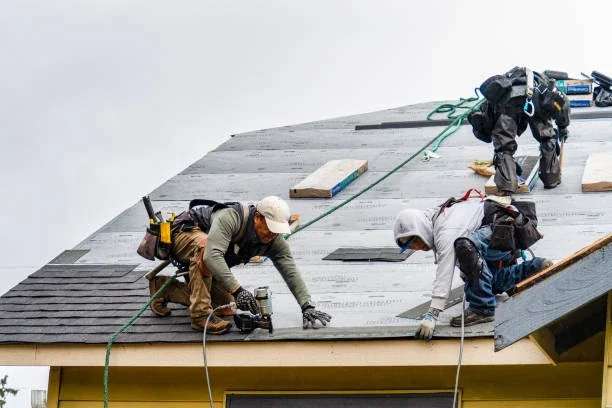
Most homeowners assume a roof will last as long as the manufacturer estimates. In reality, roofs rarely meet those timelines without consistent care. Weather stress, material fatigue, installation quality, and environmental conditions all cut into the expected lifespan.
The Real Culprits Behind Roof Aging
Roof wear is a slow, steady process. Even when nothing looks wrong from the outside, the structure underneath could already be deteriorating. Heat, moisture, and wind gradually weaken shingles, decking, and sealant layers.
The problem is that homeowners often think roof trouble shows up as missing shingles or visible leaks. But aging begins long before anything becomes obvious.
Major Factors That Reduce Roof Lifespan
1. UV and Heat Exposure
Sunlight dries out shingles over time, causing cracks and brittleness. Heat cycles expand and contract roofing materials, loosening fasteners and reducing structural strength.
2. Moisture Penetration
When shingles lose granules, water can seep underneath the surface. Moisture then spreads through insulation and wood components, creating long-term rot.
3. Poor Ventilation
Without proper airflow, heat builds up inside the attic. This repeated overheating weakens roofing materials from the inside out.
4. Wind and Storm Stress
Wind can lift shingles slightly, even if they appear intact. Once lifted, they are much more vulnerable to future storms.
5. Debris and Neglected Gutters
Leaves and dirt block water flow, forcing moisture to sit on the roof instead of draining properly.
Why Homeowners Don’t Notice Damage Early
Early deterioration is subtle. At first, shingles may look fine. The roofline may appear straight. Attic temperatures might feel normal.
Damage becomes visible only after it spreads, which is why many homeowners underestimate how quickly their roofs age. And in places where people regularly rely on Roof Installation Services, the weather typically accelerates wear.
Common Signs Your Roof Is Aging Faster Than Expected
Watch for these indicators:
Curling or thinning shingles
Moss or algae growth
Increased attic humidity
Sagging gutters
Warped roof decking
Small water stains on ceilings
These small signs often point to deeper issues.
How Installation Quality Affects Lifespan
Even the best roofing materials won’t last long if the installation was substandard. Improper fastener placement, poorly aligned shingles, or weak flashing work speeds up the aging process dramatically.
Homeowners who rely on Roof Installation Services expect durability, but installation quality varies. A roof installed correctly lasts decades longer than a poorly installed one.
Weather Patterns That Speed Up Roof Failure
Harsh seasons accelerate roof aging. Snow and ice add weight. The freeze-thaw cycle forces water into cracks. Heat waves soften adhesives. Storm seasons stress fasteners and ventilation systems.
Roofs exposed to wide temperature swings rarely achieve their maximum lifespan.
What Homeowners Can Do to Slow Aging
Simple habits make a difference:
Clean gutters twice yearly
Inspect the roof after storms
Maintain attic airflow
Replace single damaged shingles early
Prevent debris accumulation on roof valleys
Consistent upkeep protects the underlying structure and slows deterioration.
Why Understanding Roof Lifespan Matters
Knowing what shortens a roof’s lifespan helps homeowners act before problems escalate. With smart maintenance and regular inspections, you can delay replacements and keep the structure healthy for years. Understanding these factors is the difference between a roof that lasts decades and a roof that fails early.
Small Stressors Add Up Faster Than You Realize
Roof aging isn’t dramatic. It’s gradual, constant, and mostly invisible. The things that shorten a roof’s lifespan aren’t usually the big events homeowners expect. It’s not the storm that tears off shingles. It’s the years of UV exposure weakening the surface long before anything cracks. It’s the attic heat that builds quietly and softens adhesives from the inside. It’s the moisture that seeps through microscopic gaps once granules start falling off. These small stressors accumulate until the structure has already lost strength, and by then, the signs become impossible to ignore.
Homeowners often don’t notice this early decline because it looks subtle. Shingles might curl slightly. A faint ceiling stain might appear. Attic humidity rises without anyone checking. These early indicators are easy to brush off, and that’s exactly why roofs fail earlier than expected. Weather accelerates everything. Freeze-thaw cycles create pressure in shingle layers. Heat waves push materials past their limit. Wind lifts weakened edges. In regions where Roof Installation Services are a common need, these conditions shorten lifespan even more aggressively.
Quality of installation plays a huge role, too. A roof built with precision and proper ventilation lasts dramatically longer than one thrown together quickly. A misaligned shingle here or a loose fastener there can set the stage for premature aging. Even with good materials, a poor installation accelerates wear. And once water gets under the surface, deterioration spreads horizontally, often far from where the initial problem started.
Stay up to date with our latest ideas!