Why Regular Maintenance Matters for Commercial Food Service Equipment
Learn why preventive maintenance and timely repairs are essential for commercial food service equipment efficiency, reliability, and business continuity.
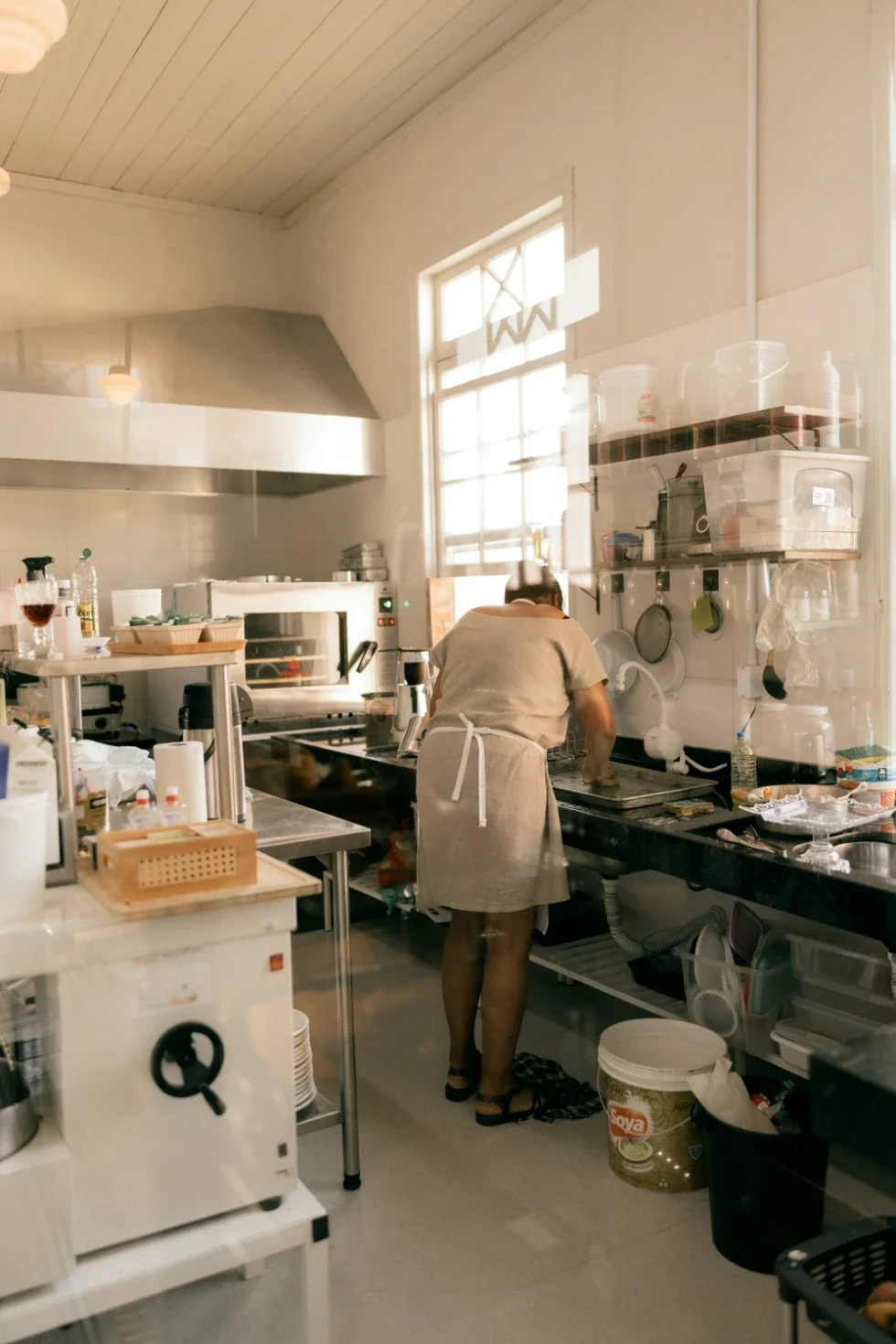
In the food service industry, equipment reliability directly affects daily operations, customer satisfaction, and profitability. Whether running a restaurant, café, dessert shop, or catering business, owners depend on specialized machines to perform consistently under demanding conditions. When equipment begins to show signs of wear, services such as Commercial Ice Cream Machines Repair can help businesses avoid costly downtime and maintain smooth operations. Understanding the value of regular maintenance and prompt repairs is an important part of protecting equipment investments and ensuring long term performance.
The Role of Equipment in Food Service Operations
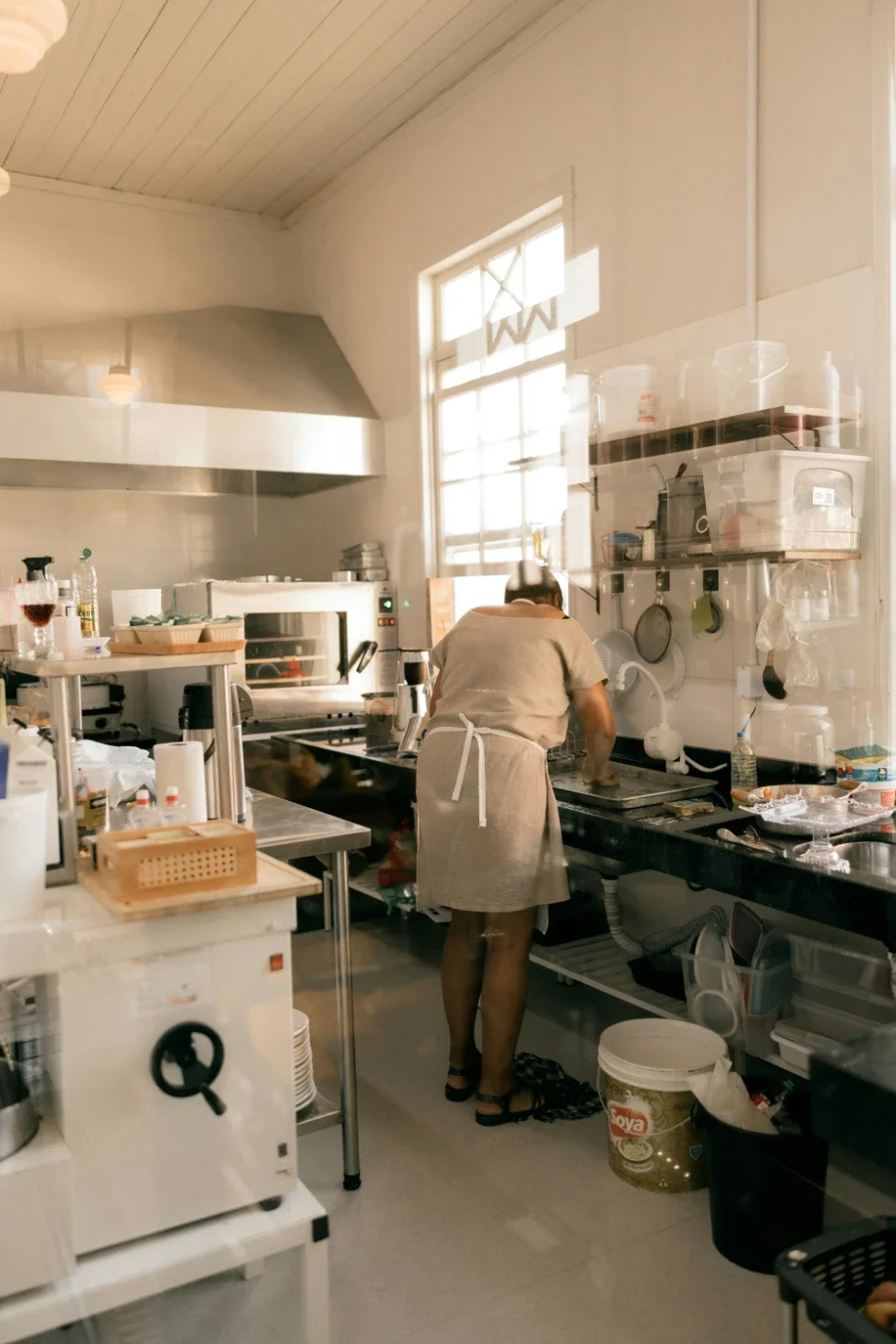
Commercial kitchens rely on a wide range of machines to prepare, store, and serve food safely. Unlike residential appliances, commercial equipment often operates for many hours each day and experiences significantly higher workloads.
Common categories include:
Refrigeration equipment
Cooking appliances
Beverage systems
Ice production equipment
Dessert preparation machines
Food storage systems
Because these machines are central to business operations, even minor malfunctions can create operational challenges and financial losses.
Common Causes of Equipment Failure
Most equipment breakdowns do not occur suddenly without warning. In many cases, problems develop gradually over time.
Some of the most common causes include:
Lack of Routine Maintenance
Dust, grease, and debris can accumulate on critical components, reducing efficiency and increasing wear.
Heavy Daily Usage
Commercial environments place substantial stress on motors, compressors, fans, and electrical systems.
Delayed Repairs
Small mechanical issues often become larger and more expensive when left unresolved.
Environmental Conditions
Heat, humidity, and frequent cleaning procedures can affect equipment performance and lifespan.
Understanding these risk factors allows business owners to take preventive action before major failures occur.
The Benefits of Preventive Maintenance
Preventive maintenance is one of the most effective strategies for reducing unexpected equipment problems.
Regular service inspections can help identify:
Worn components
Loose connections
Refrigeration issues
Electrical irregularities
Performance inefficiencies
Addressing these concerns early often costs far less than emergency repairs or full equipment replacement.
Additional benefits include improved energy efficiency, better operational reliability, and longer equipment lifespan.
Reducing Business Downtime
Equipment failures can have immediate consequences for customer service and revenue generation.
For example, a malfunctioning refrigeration system may affect food storage compliance, while a broken dessert machine could limit menu availability during peak business hours.
Downtime may result in:
Lost sales opportunities
Delayed service
Customer dissatisfaction
Increased labor costs
Product waste
Businesses that prioritize maintenance often experience fewer interruptions and greater operational stability.
Signs Equipment May Need Attention
Recognizing early warning signs can prevent more serious problems later.
Business owners should monitor for:
Unusual noises
Inconsistent performance
Temperature fluctuations
Excessive vibration
Water leaks
Increased energy consumption
These symptoms often indicate underlying mechanical or electrical issues that should be evaluated promptly.
Energy Efficiency and Cost Control
As utility costs continue to be an important consideration for businesses, equipment efficiency plays a major role in operating expenses.
Poorly maintained machines may:
Consume more electricity
Run longer cycles
Experience reduced output
Generate additional heat
Regular servicing helps maintain optimal performance while reducing unnecessary energy usage.
Even modest efficiency improvements can create meaningful savings over the lifespan of commercial equipment.
Extending Equipment Lifespan
Commercial food service equipment represents a significant capital investment. Replacing major systems can be expensive and disruptive.
Proper maintenance helps protect that investment by:
Reducing wear on moving parts
Improving cooling and airflow
Preventing corrosion
Maintaining safe operation
Supporting manufacturer performance standards
Equipment that receives consistent care often remains productive for many years beyond its expected minimum lifespan.
Training Staff to Support Equipment Performance
Maintenance is not solely the responsibility of technicians. Employees also play an important role in daily equipment care.
Helpful practices include:
Following manufacturer operating guidelines
Cleaning equipment regularly
Reporting unusual behavior immediately
Avoiding improper use
Performing routine visual inspections
Staff awareness can help identify developing problems before they escalate into costly repairs.
Creating a Long Term Maintenance Strategy
Successful businesses often adopt a proactive approach rather than waiting for breakdowns to occur.
A comprehensive maintenance strategy may include:
Scheduled inspections
Cleaning routines
Equipment performance tracking
Repair documentation
Replacement planning
This approach helps managers make informed decisions regarding repairs, upgrades, and future investments.
Final Thoughts
Commercial food service equipment plays a critical role in operational efficiency, customer satisfaction, and business profitability. Regular maintenance and timely repairs help prevent unexpected failures, reduce costs, and extend equipment lifespan.
By adopting preventive maintenance practices and responding quickly to warning signs, businesses can improve reliability, minimize downtime, and protect the valuable equipment that supports their daily operations.
Stay up to date with our latest ideas!