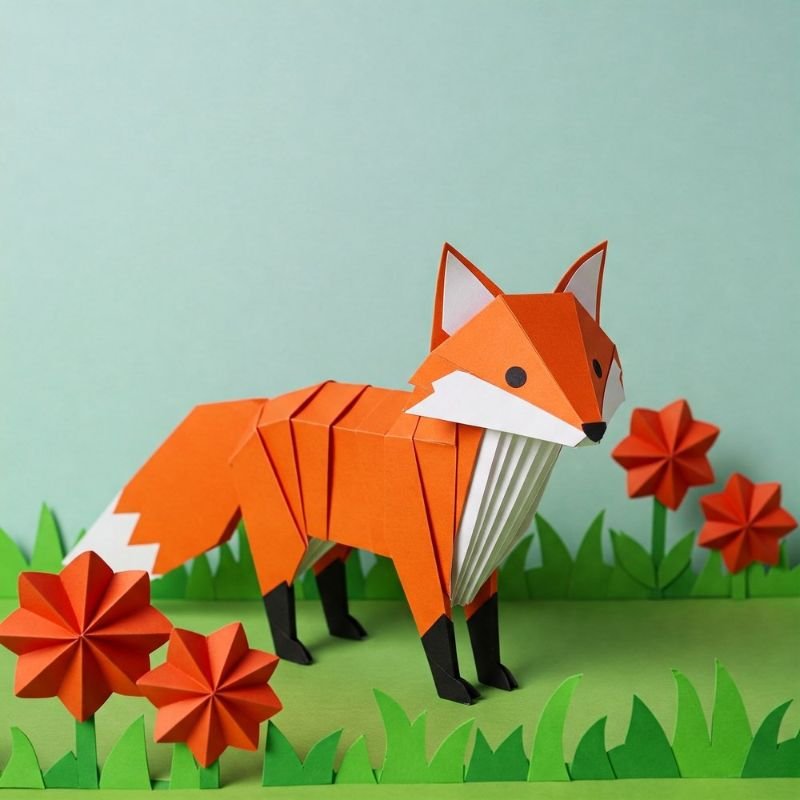
Discover 15 paper craft ideas for kids under 5 everyone loves that spark creativity with simple, fun, age-appropriate projects.
A paper craft project hands a young child the most magical creative power imaginable, the ability to transform a flat, ordinary sheet of paper into animals, flowers, puppets, and colorful artwork using nothing more than scissors, glue, and the boundless imagination that children under five carry inside their busy little minds every waking moment. Have you ever watched a toddler hold up a crumpled, glue-covered paper creation with absolute pride beaming across their face as though they had just sculpted a museum masterpiece deserving thunderous applause from every adult in the room? That pure creative joy represents exactly why paper crafts remain the most accessible, affordable, and developmentally valuable art activity for young children learning to create with their own small hands. Think of paper crafting as a child's first conversation with art. These fifteen ideas start that conversation beautifully.
1. Paper Plate Animal Faces
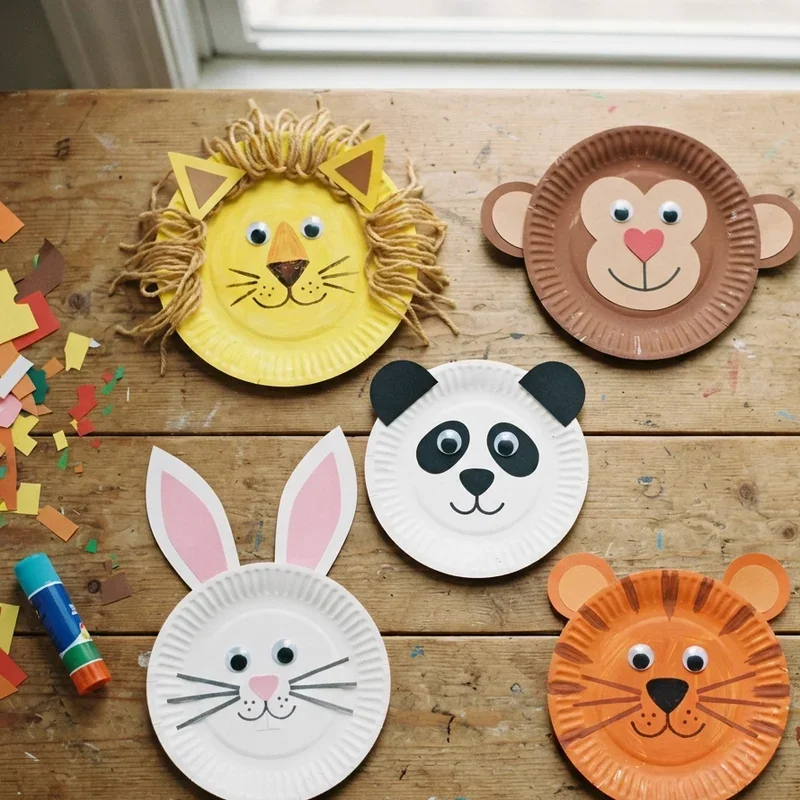
Paper plate animal faces transform ordinary disposable plates into adorable creatures using paint, construction paper ears, googly eyes, and drawn features that children assemble into recognizable animals including cats, lions, bears, and frogs, the familiar circular plate providing a ready-made face shape requiring only creative additions to bring each imagined animal character alive through simple crafting steps. Paper plate animals work like providing a blank face template where children add personality through color and features creating their own zoo one plate at a time. Pre-cut ear and nose shapes allowing young children to focus on the fun assembly stage. Provide multiple paint colors encouraging creative animal interpretations.
2. Handprint Cutout Art Display
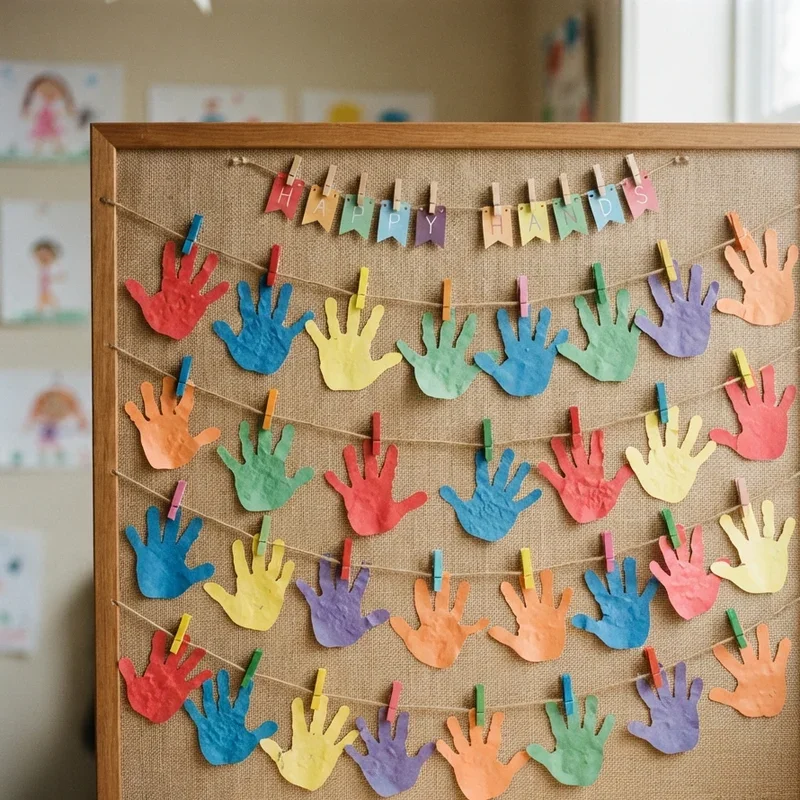
Handprint cutout art traces each child's hand onto colored paper then cuts the shape creating a personal silhouette that becomes flowers, trees, butterflies, and peacocks when arranged creatively, the traced hand adding irreplaceable personal significance because the artwork literally contains the child's own physical measurement preserved permanently within the paper creation. Handprint art works like capturing a child's tiny hand size in colorful paper forever where every future viewing reminds you exactly how small those creative fingers once were. Trace hands on multiple colored papers creating a collection of different-sized handprint cutouts. Arrange handprints as flower petals, tree leaves, or butterfly wings on background paper.
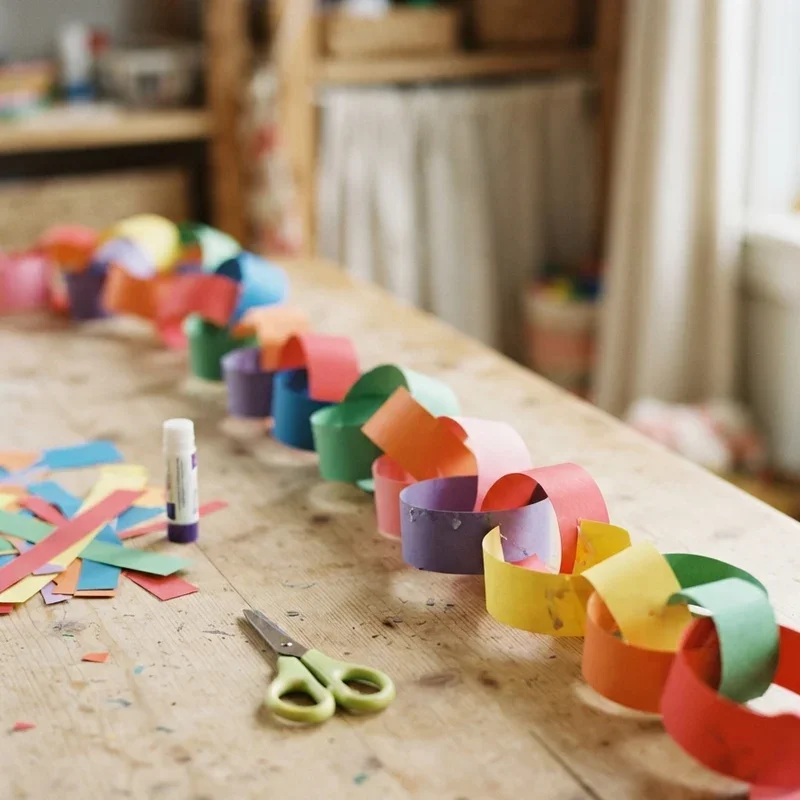
3. Paper Chain Colorful Garland
A paper chain colorful garland links strips of colored paper into interlocking loops creating a growing chain that decorates rooms, doorways, and party spaces while teaching young children the simple repetitive assembly pattern of loop, glue, thread, repeat that builds fine motor skills and patience through the satisfying process of watching their colorful creation grow longer with every added link. Paper chains work like building a colorful bridge one connected loop at a time where the growing length rewards patience visibly. Pre-cut paper strips in various colors eliminating the cutting step for very young children. Demonstrate the loop-and-link technique allowing children to practice independently after understanding the pattern.
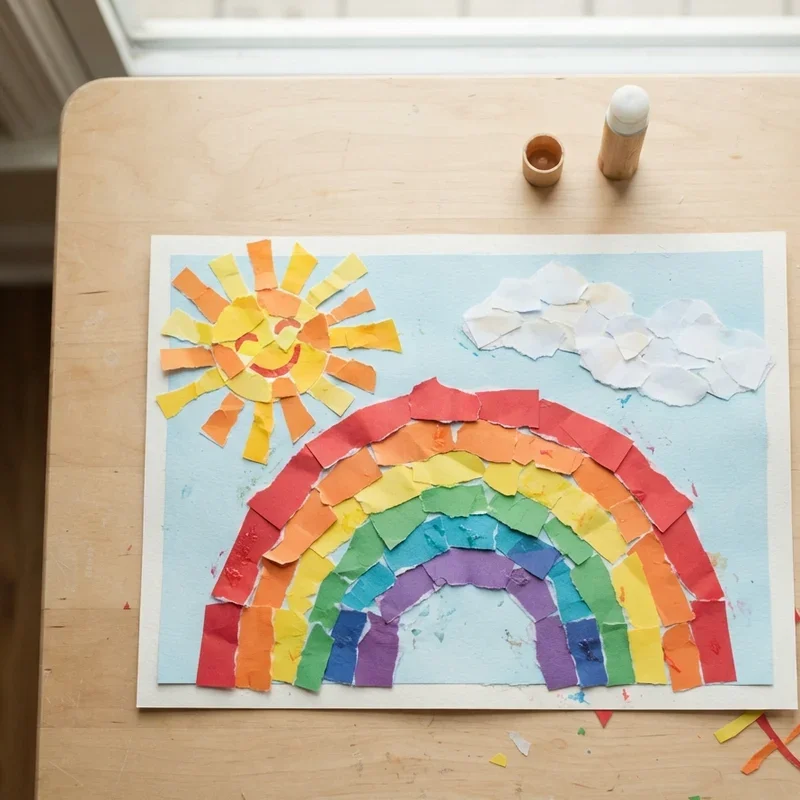
4. Torn Paper Collage Mosaic
A torn paper collage mosaic encourages children to tear colored paper into small irregular pieces then glue them onto a drawn outline creating a textured, mosaic-like artwork where the deliberately imperfect torn edges add artistic character that precise cutting would eliminate, the tearing action actually strengthening fine motor skills while producing genuinely beautiful results requiring zero scissor proficiency whatsoever. Torn paper mosaics work like building a stained glass window from ripped paper where every irregular piece contributes unique texture to the growing colorful composition. Draw simple outlines including animals, shapes, or letters on background paper providing clear gluing guidelines. Provide pre-sorted colored paper pieces organized by color for easy selection during the gluing assembly process.
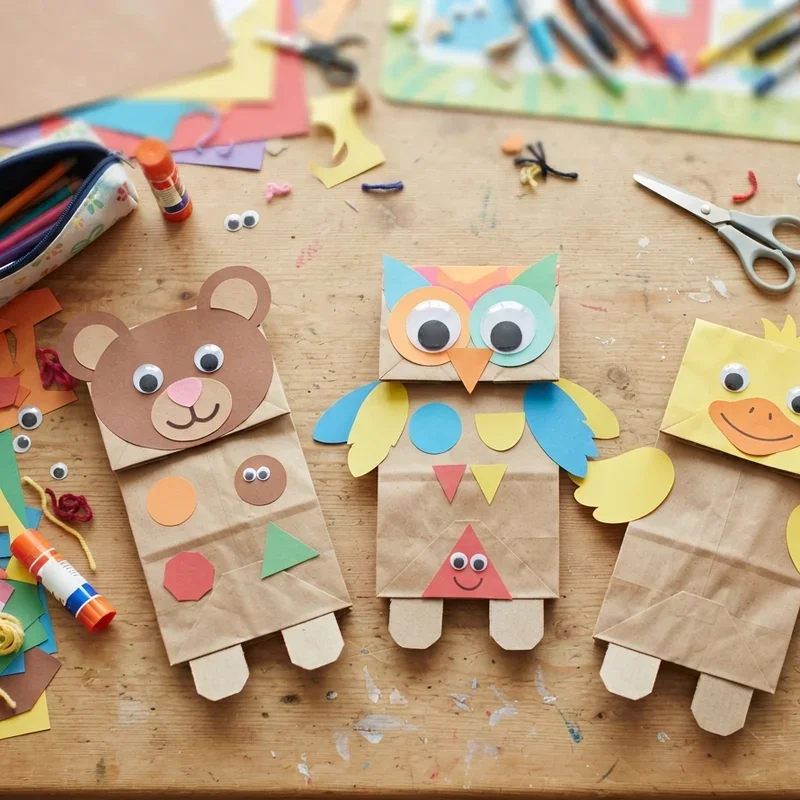
5. Paper Bag Puppet Characters
Paper bag puppet characters transform standard lunch bags into animated characters using drawn faces, glued paper features, yarn hair, and fabric scraps creating interactive toys that children bring alive through hand movements inside the bag, the puppet's mouth opening and closing when small fingers manipulate the bag's folded bottom flap during imaginative storytelling play sessions. Paper bag puppets work like building a cast of characters from lunch bags where every decorated sack becomes an actor in the child's personal puppet theater production. Provide plain paper lunch bags alongside pre-cut feature shapes including eyes, mouths, and accessories. Demonstrate the hand-inside puppet movement encouraging children to animate their completed characters.
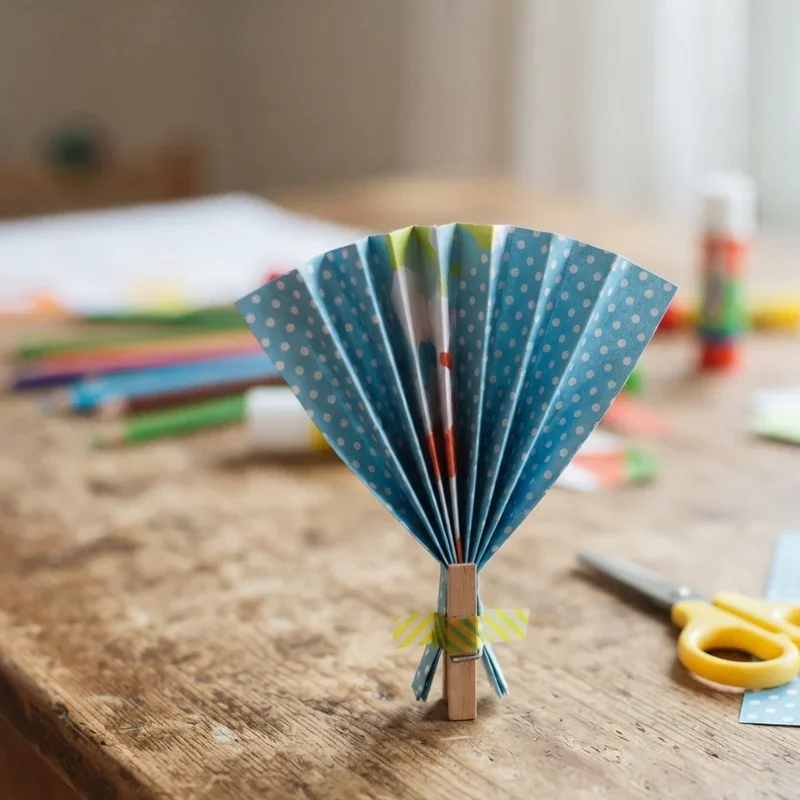
6. Simple Paper Fan Folding Craft
A simple paper fan teaches young children the basic accordion fold technique by folding a decorated sheet back and forth into pleated sections then pinching one end creating a functional handheld fan that actually produces a cooling breeze when waved, the practical result demonstrating that paper crafting creates genuinely useful objects beyond purely decorative artwork hanging on refrigerator doors. Paper fans work like teaching children that their creative hands can build working tools from flat paper where the folded result actually performs a real cooling function. Decorate paper with stamps, stickers, or crayon drawings before beginning the folding process. Guide the first few folds demonstrating the alternating direction pattern for consistent pleating.
7. Paper Circle Caterpillar Creation
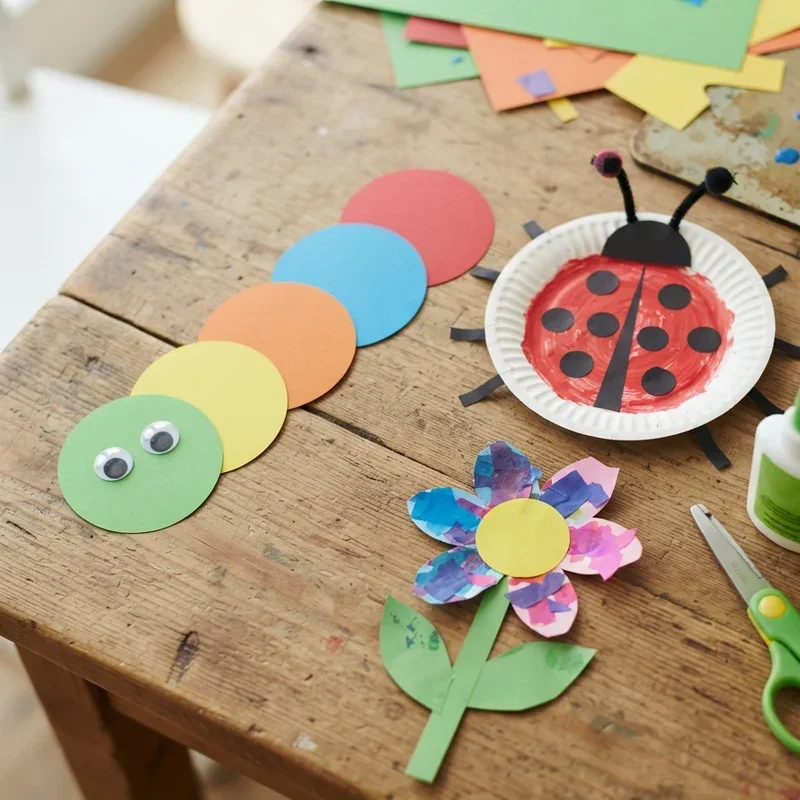
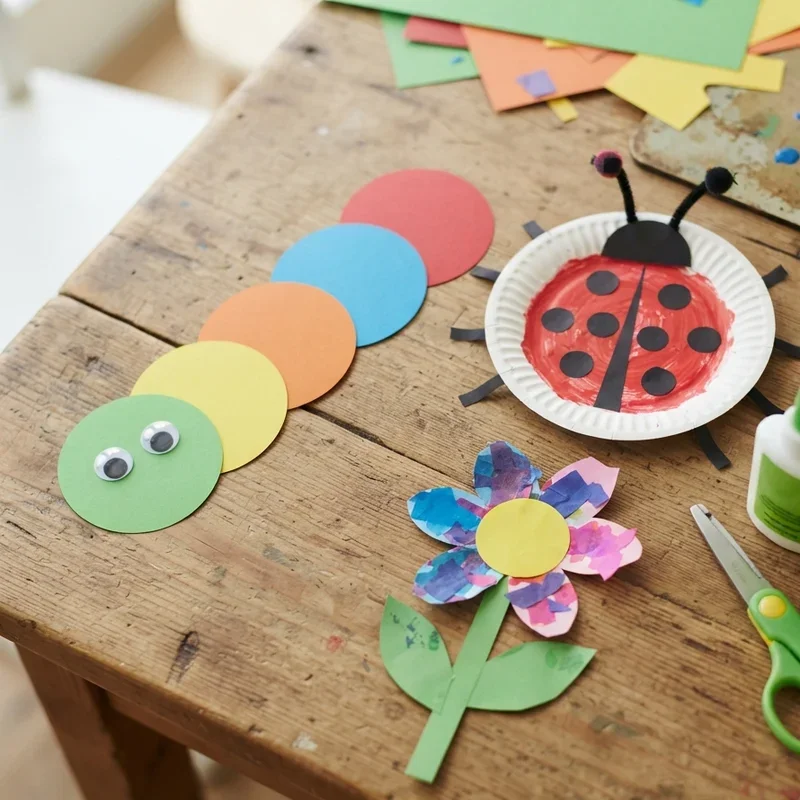
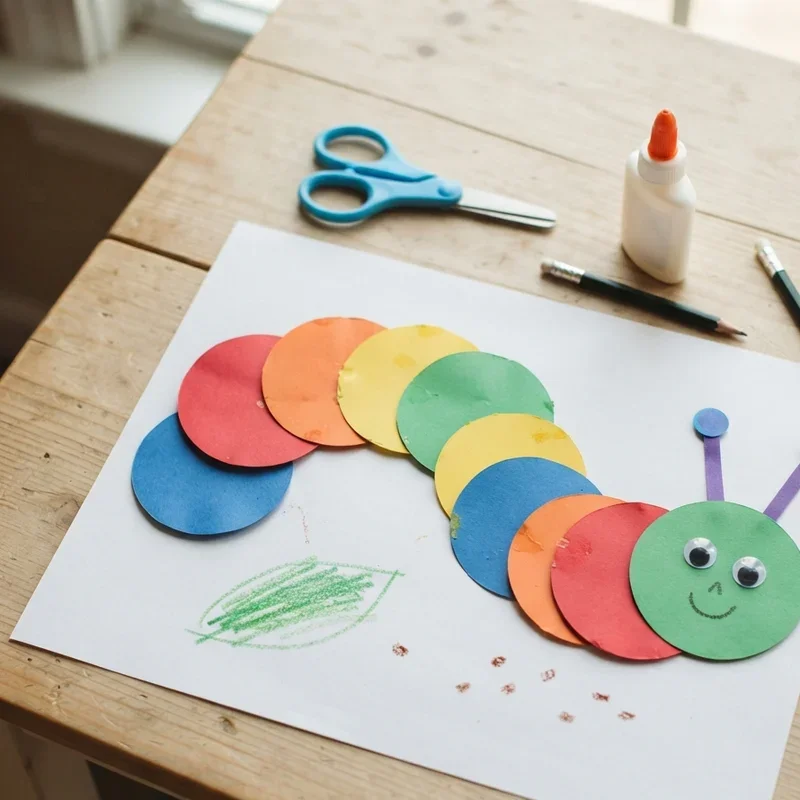
A paper circle caterpillar glues a row of colored paper circles in a gently curving line creating an adorable, simple insect from the most basic geometric shape children learn to recognize, the repeated circle cutting and sequential gluing building both shape recognition and fine motor coordination while producing a charming, displayable creature from minimal materials and effort. Circle caterpillars work like building a friendly bug from a parade of colored dots where each round body segment adds personality to the growing paper insect. Pre-cut circles in various sizes and colors for very young children providing ready-to-assemble body segments. Add googly eyes, drawn antennae, and tiny paper legs completing the caterpillar character.
8. Tissue Paper Flower Bouquet
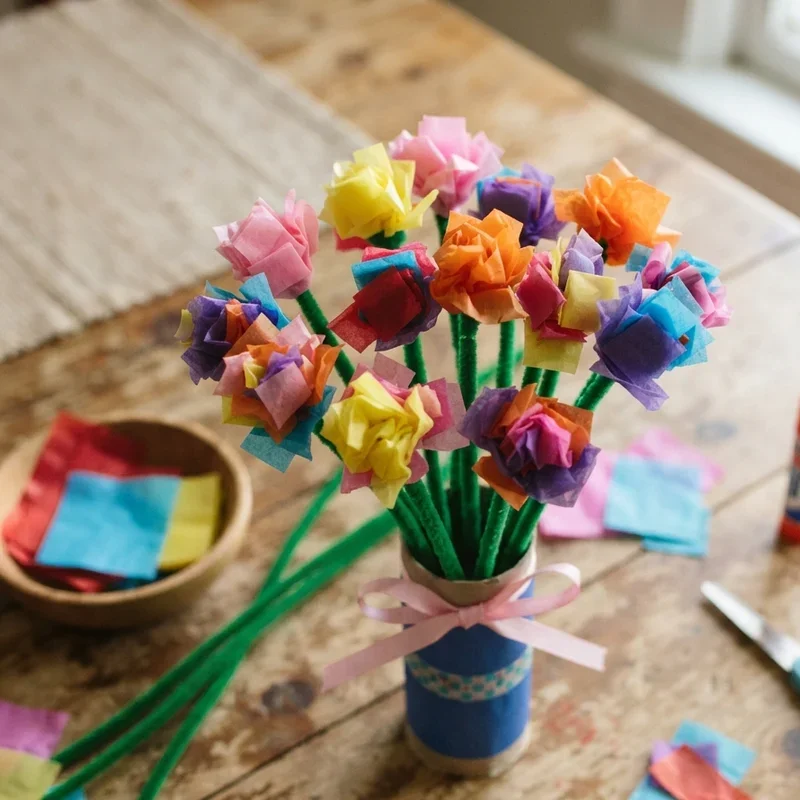
A tissue paper flower bouquet crumples or twists colorful tissue paper sheets into petal shapes attached to green pipe cleaner stems creating a bright, cheerful flower arrangement that young children produce with surprisingly beautiful results despite the deliberately simple technique requiring only crumpling, twisting, and wrapping motions their developing hands manage comfortably at any skill level. Tissue flowers work like growing a permanent bouquet from colored paper that never wilts and never needs water while looking genuinely beautiful in a small vase on any tabletop. Stack three to four tissue paper squares in coordinating colors providing adequate petal layers for each flower. Demonstrate the gather-and-twist technique securing tissue to pipe cleaner stems.
9. Paper Crown Royal Headpiece
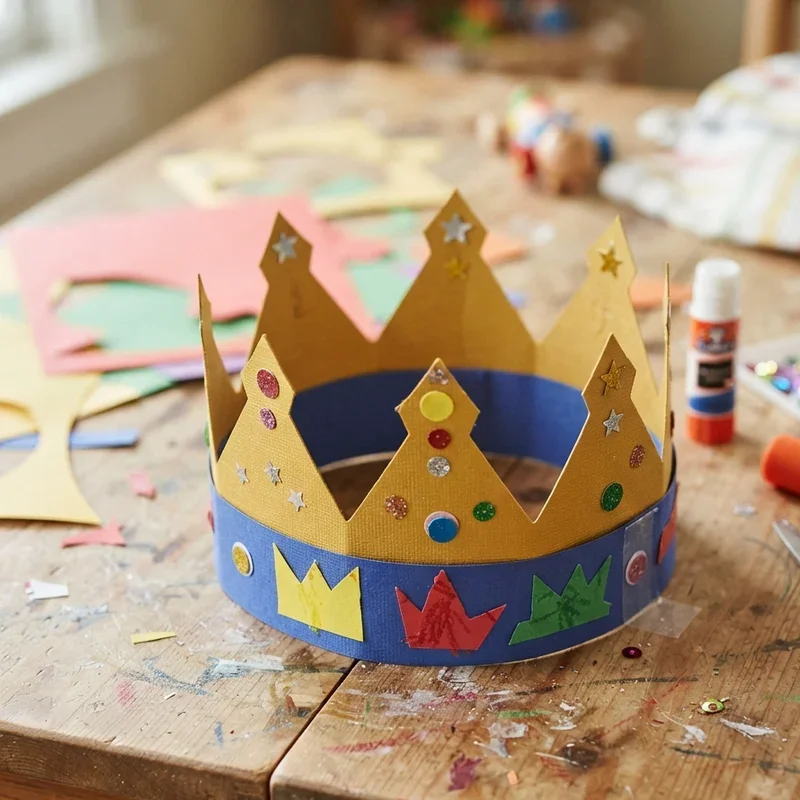
A paper crown cuts a zigzag or scalloped edge along a long paper strip then decorates the band with stickers, gems, glitter, and painted designs before sizing it to the child's head creating a wearable royal accessory that transforms every young crafter into an instantly crowned king or queen wearing their own handmade regal headpiece throughout the rest of the crafting day proudly. Paper crowns work like manufacturing genuine royal authority from construction paper where every child's decorated creation becomes a legitimate coronation piece authorizing imaginary kingdom rule immediately. Cut crown shapes from sturdy cardstock providing a durable base for decoration and extended wearing time. Provide self-adhesive gems, stickers, and glitter glue for accessible embellishment.
10. Accordion Fold Paper Snake
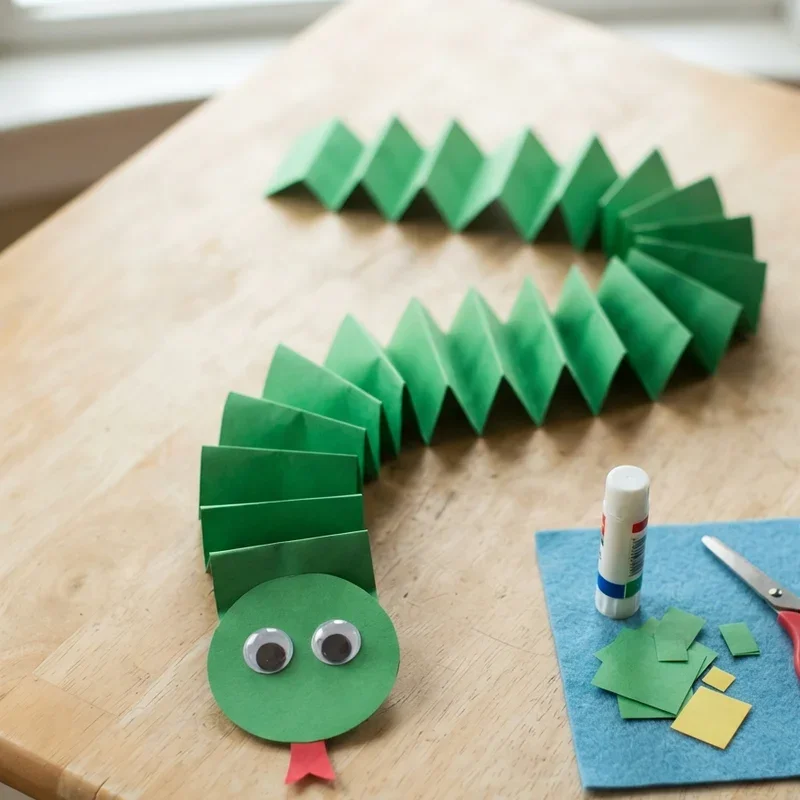
An accordion fold paper snake alternates two paper strips folded over each other creating a spring-like body that stretches and bounces when pulled, the simple alternating fold technique producing a surprisingly dynamic, playful creature that wiggles and springs with the lively movement young children find endlessly entertaining and hilariously fun to chase across the craft table repeatedly. Accordion snakes work like weaving two paper strips into a bouncing spring creature that seems genuinely alive when stretched and released by excited small hands. Glue two paper strips at right angles creating the starting point for the alternating fold pattern. Demonstrate the over-and-over folding technique allowing children to continue the pattern independently.
11. Paper Airplane Simple Fold
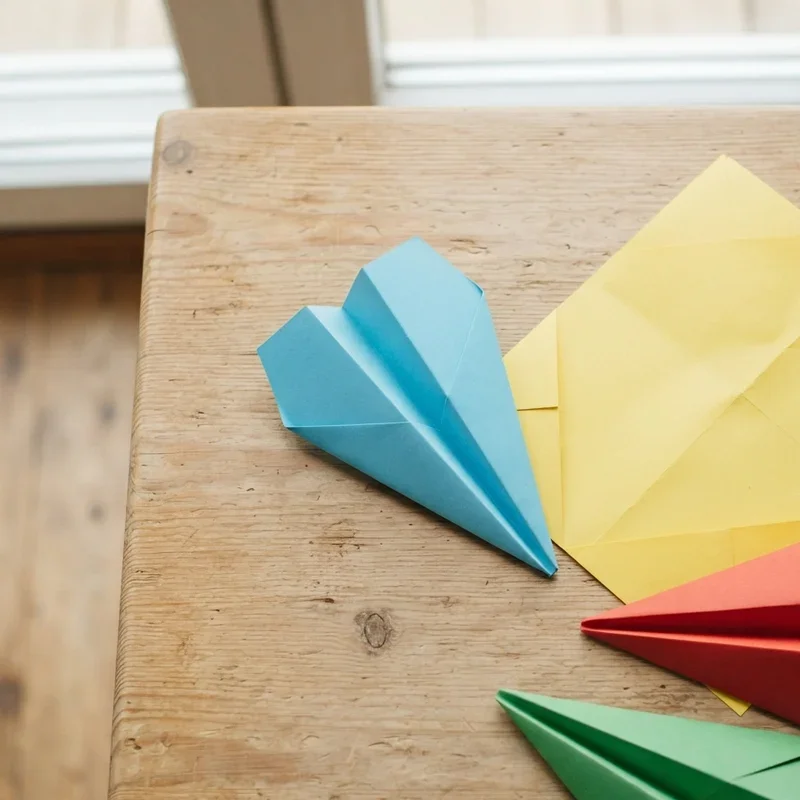
A paper airplane teaches the most fundamental paper folding sequence where a flat sheet transforms into a flying object through a few simple creases, the finished plane actually flying across the room providing immediate, thrilling proof that a child's own folding effort created something genuinely functional that soars through the air on every excited throw. Paper airplanes work like teaching physics through play where every successful flight rewards the careful folding effort that made the aerodynamic shape possible from a single flat sheet. Demonstrate the simplest dart-style fold using just three basic creases creating a reliable flying design. Use brightly colored paper making each child's airplane identifiable during group flight competitions.
12. Sticker Collage Art Project
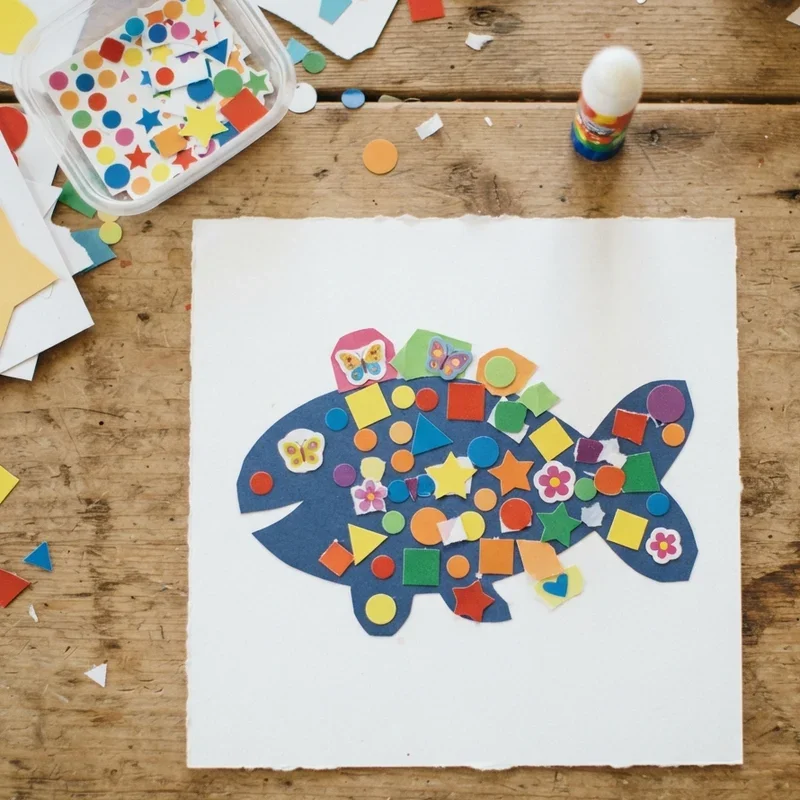
A sticker collage art project provides sheets of colorful stickers alongside blank paper or pre-drawn outlines where children place stickers freely or within guided boundaries creating vibrant compositions through the simple peel-and-stick action that requires zero cutting, gluing, or painting skills while still producing genuinely colorful, child-directed artwork showcasing individual creative choices across the decorated surface. Sticker collages work like giving children a box of colorful pre-made dots they arrange into personal masterpieces where every placement represents a genuine creative decision made independently. Provide diverse sticker collections including shapes, animals, stars, and themed designs offering abundant creative options. Draw simple outlines on paper providing optional placement guides for children preferring structured creative direction.
13. Paper Weaving Strip Activity
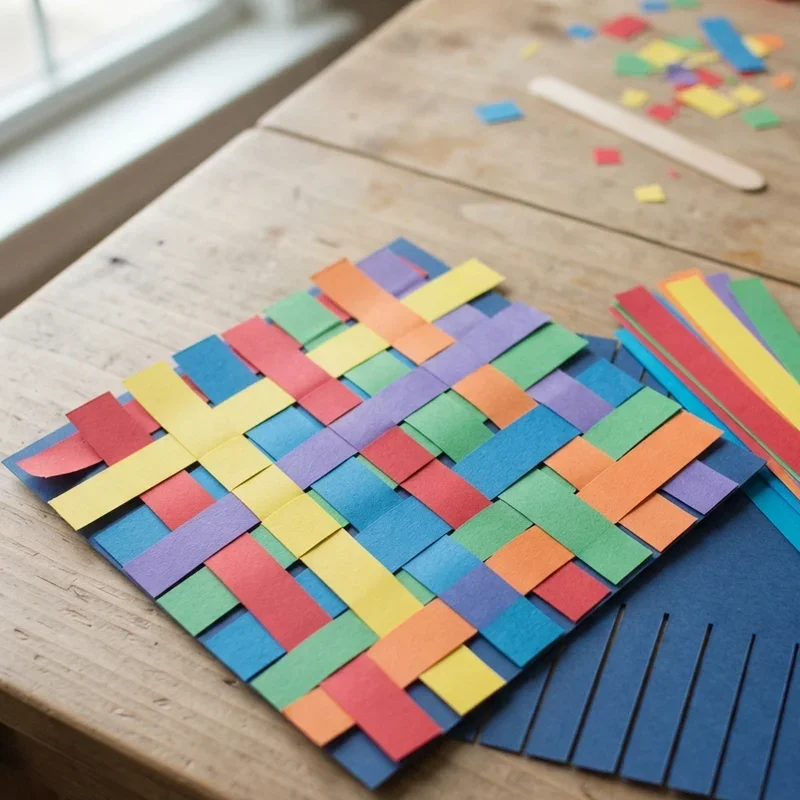
A paper weaving strip activity cuts slits into a folded paper sheet then threads contrasting colored strips through the openings creating a woven checkerboard pattern that teaches the fundamental over-under weaving concept through paper manipulation, the rhythmic threading action building concentration, pattern recognition, and bilateral hand coordination skills simultaneously within one simple, colorful activity. Paper weaving works like teaching textile concepts using paper strips where the over-under rhythm creates visible patterns from the simplest possible material interaction. Pre-cut paper sheets with parallel slits providing ready-to-weave base frames for young crafters. Provide contrasting colored strips for threading through the prepared slit openings.
14. Paper Roll Binoculars Craft
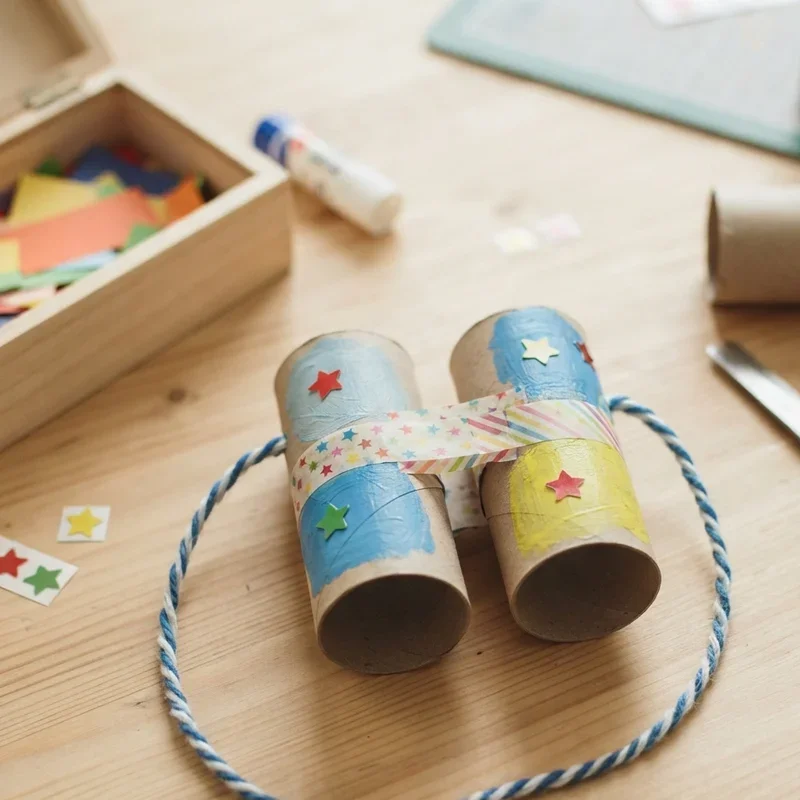
Paper roll binoculars tape two toilet paper tubes side by side creating a wearable explorer accessory that children decorate with paint, stickers, and wrapping paper then use during imaginative outdoor adventures where looking through the cardboard cylinders transforms ordinary backyard exploration into genuine safari expeditions and birdwatching missions requiring official binocular equipment for proper scientific observation. Paper roll binoculars work like building professional exploration equipment from bathroom supplies where cardboard tubes become serious scientific instruments in imaginative young hands. Tape two empty toilet paper rolls together side by side creating the basic binocular structure. Punch holes on outer edges threading yarn or ribbon creating a wearable neck strap.
15. Paper Shape House Building
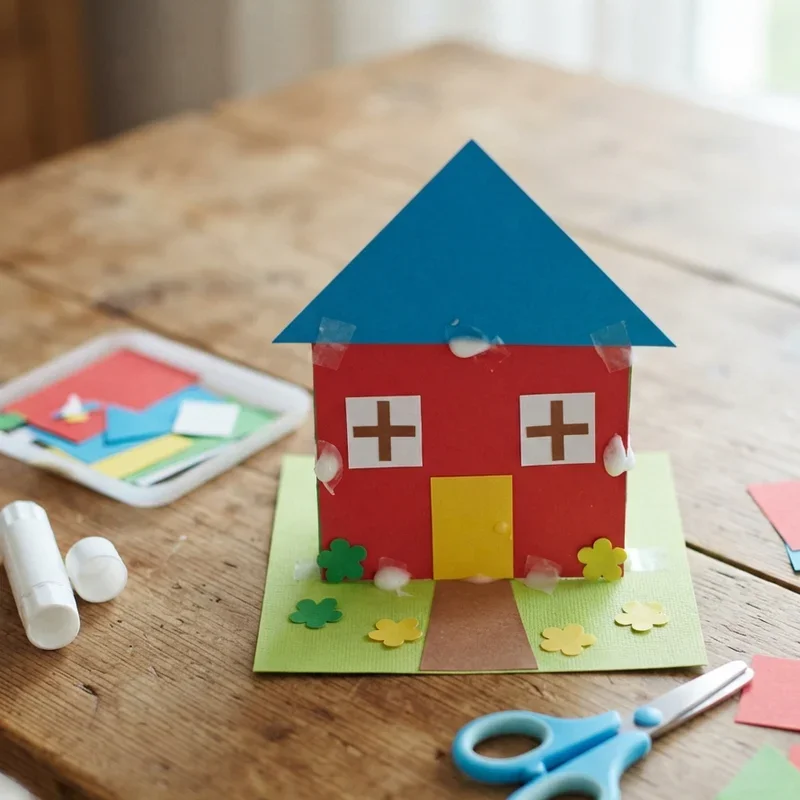
A paper shape house building project cuts basic geometric shapes including squares, triangles, rectangles, and circles from colored paper then assembles them into house structures on background paper, the construction process teaching shape recognition and spatial relationships while producing charming architectural artworks where every child designs their own dream home from simple geometric paper components. Shape houses work like building real estate from geometry where squares become walls, triangles become roofs, and circles become windows in paper neighborhoods constructed entirely from basic shapes. Pre-cut geometric shapes in various sizes and colors providing ready-to-assemble building components. Demonstrate basic house assembly encouraging children to add creative details including gardens, pets, and family figures.
Conclusion
Paper craft ideas for kids under five prove that the simplest, most affordable material available creates the most developmentally valuable, genuinely enjoyable creative experiences young children can share with patient adults guiding small hands through accessible projects producing artwork worth displaying proudly on every available refrigerator door and family gallery wall throughout the home. From paper plate animal faces to tissue paper flower bouquets and accordion fold bouncing snakes, these fifteen ideas demonstrate that paper crafts deliver maximum creative joy from minimal materials and cost. Choose projects matching your child's current developmental stage, then craft happy memories together beautifully.
Read next: 15 Easy Paper Craft Ideas Anyone Can Make
Frequently Asked Questions
Q1: What paper craft supplies should I keep stocked for regular crafting with young children?
A: Construction paper, glue sticks, safety scissors, crayons, and stickers cover most craft project needs.
Q2: How long should a paper craft session last for children under five years old?
A: Fifteen to twenty-five minutes provides adequate creative time before most young children lose focused interest.
Q3: Are paper crafts safe for toddlers who still put materials in their mouths?
A: Supervise closely using non-toxic supplies and avoid small pieces posing potential choking hazards throughout crafting.
Q4: What is the best paper craft for developing fine motor skills in young children?
A: Torn paper collage and paper weaving build fine motor coordination through controlled hand movement patterns.
Q5: How do I display my child's paper crafts without cluttering the entire house permanently?
A: Rotate displayed favorites monthly, photograph all creations, and store special pieces in dedicated keepsake portfolios.
Stay up to date with our latest ideas!