Learn how progressive overload helps build strength and muscle while discovering the equipment that supports safe and consistent training at home.
Anyone who has spent time researching strength training has likely come across the term progressive overload. Although it sounds technical, the concept is actually quite simple. Progressive overload means gradually increasing the demands placed on your muscles over time so that your body continues to adapt. Without this gradual increase in difficulty, strength gains eventually slow down and training progress reaches a plateau.
Progressive overload does not mean adding as much weight as possible every workout. Successful long-term training is built on small, consistent improvements. Increasing the weight by only a few pounds, performing one additional repetition, improving exercise technique, or reducing rest periods can all represent forms of progressive overload when applied intelligently.
One of the reasons this principle is so effective is because the human body constantly adapts to stress. Muscles, connective tissue, and even the nervous system become stronger when they are challenged appropriately and given enough time to recover. If workouts remain identical week after week, the body has little reason to continue adapting.
Compound exercises provide the best opportunities for progressive overload. Squats, bench presses, overhead presses, deadlifts, and barbell rows involve multiple muscle groups working together, allowing athletes to increase resistance gradually over many months or even years. These exercises often become the foundation of well-designed strength training programs.
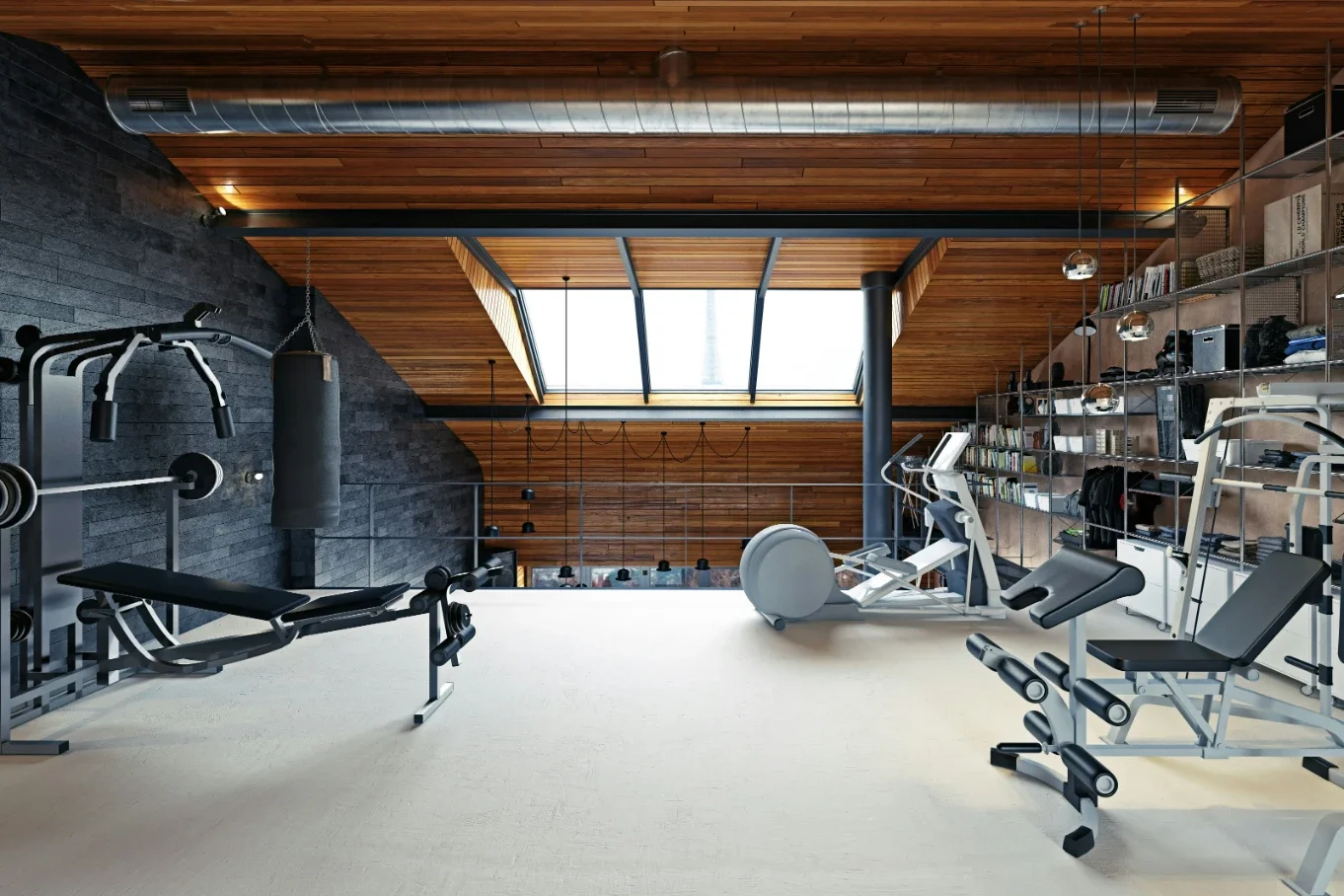
Proper equipment makes progressive overload much safer and easier to manage. Stable lifting stations, adjustable safety systems, quality barbells, and reliable weight plates allow athletes to focus on technique while increasing resistance with confidence. Equipment that supports consistent progression becomes a valuable long-term investment rather than simply another purchase.
Tracking workouts is another habit that separates consistent progress from random training. Recording weights, repetitions, sets, and overall performance makes it much easier to recognize improvement and identify periods where adjustments are needed. Even experienced athletes continue using training logs because objective data helps guide future programming.
Recovery should never be ignored. Progressive overload only works when the body has enough time to adapt between workouts. Adequate sleep, balanced nutrition, hydration, and planned recovery days all contribute to better long-term results. Increasing training volume without sufficient recovery often leads to fatigue rather than improvement.
Good exercise technique should always take priority over heavier weights. Increasing resistance while sacrificing movement quality places unnecessary stress on joints and connective tissues. Mastering proper mechanics first creates a stronger foundation for future strength gains and reduces the likelihood of injury.
Many beginners expect rapid progress every week, but strength development is rarely perfectly linear. Some weeks produce noticeable improvements, while others focus on refining technique or recovering from previous training. Patience and consistency are often more important than dramatic increases in weight.
As training experience grows, equipment flexibility becomes increasingly valuable. Accessories such as pull-up bars, safety arms, dip attachments, and resistance band systems allow athletes to expand their exercise selection without replacing their primary lifting station. This supports continued progress while keeping workouts varied and engaging.
Athletes looking for power racks for home strength training can compare different configurations designed to support progressive overload, safe lifting, and long-term performance in both home and garage gyms.
Progressive overload is not about chasing heavier weights at every opportunity. It is about making consistent, measurable improvements while maintaining excellent technique and allowing the body to recover properly. Combined with quality equipment and a structured training plan, this approach remains one of the most reliable ways to build strength for years to come.
Stay up to date with our latest ideas!