From Forest to Workshop: The Enduring Value of Wood Craftsmanship
Explore the enduring art of woodworking, from choosing the right timber to mastering small projects, essential tools, and sustainable craftsmanship.

Wood has shaped human civilization for thousands of years — from the earliest shelters to the most refined furniture. Yet in an era dominated by synthetic materials and mass production, the art of working with wood by hand has experienced a remarkable and meaningful revival. Craftspeople, hobbyists, and professional woodworkers alike are rediscovering the satisfaction of transforming raw timber into something functional, beautiful, and lasting. Understanding where this passion comes from — and where it leads — requires looking at both the cultural roots of woodworking and the practical skills that sustain it today.
The Deep Cultural Roots of Wood and Craftsmanship
Wood is not merely a building material. It carries with it centuries of cultural meaning, regional identity, and human ingenuity. Different species of timber have been used across the world to reflect local environments, traditions, and values. Oak has long symbolized strength and permanence in British and European culture. Cedar has been prized across North America for its natural resistance and aromatic qualities. Teak has defined fine furniture-making traditions across Southeast Asia.
According to the Forestry Commission's exploration of wood culture, the relationship between people and trees runs far deeper than utility. Wood has been central to mythology, architecture, art, and everyday life across virtually every human society. This cultural weight is part of what makes working with wood feel so inherently meaningful — you are participating in a tradition that stretches back to the very beginning of human creativity.
Today, that tradition is being carried forward not just by professional craftspeople but by a growing community of enthusiastic amateurs who find in woodworking a counterbalance to the digital pace of modern life. The tactile experience of shaping wood — feeling the grain, smelling the sawdust, watching a rough plank become a finished piece — offers something that no screen can replicate.
Why Small Projects Are the Best Starting Point
One of the most common mistakes new woodworkers make is attempting overly ambitious projects before they have developed the foundational skills and confidence to execute them well. The result is often frustration, wasted materials, and abandoned tools. The smarter approach — and the one endorsed by experienced craftspeople — is to begin with small, manageable projects that teach core techniques while delivering a genuine sense of accomplishment.
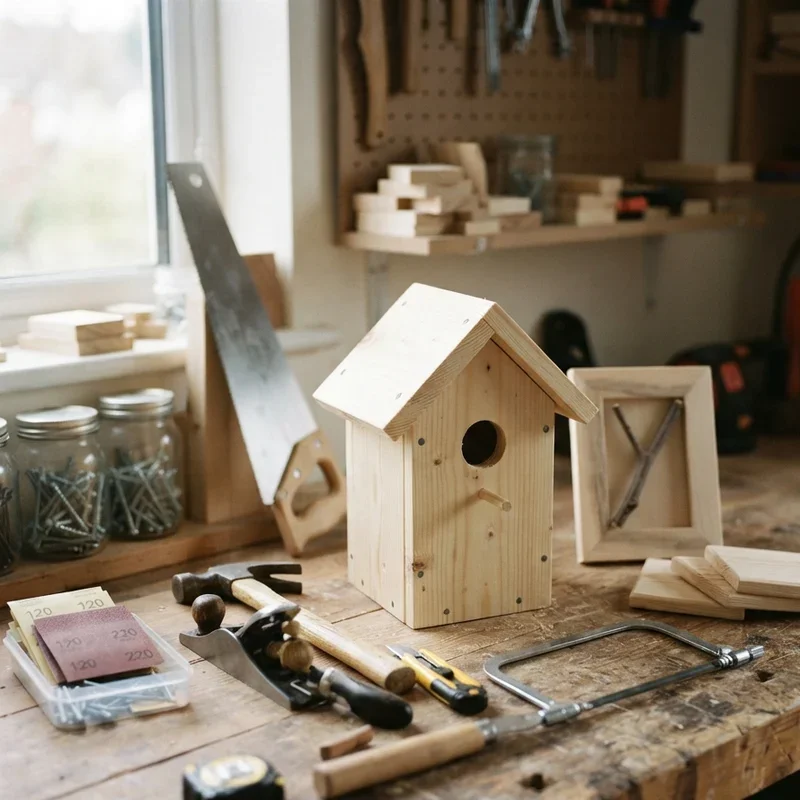
Small wood projects are ideal for learning how to measure accurately, cut cleanly, join pieces securely, and finish surfaces smoothly. A simple shelf, a small box, a cutting board, or a picture frame may seem modest in scope, but each one demands precision and teaches skills that scale directly to larger work. If you are looking for inspiration and practical guidance, exploring a curated collection of small wood projects for beginners and hobbyists can provide a structured path from your first cut to your first finished piece.
Beyond skill development, small projects also make excellent gifts, home décor items, and even small business products. Many successful woodworking entrepreneurs began by selling handcrafted small items at local markets before scaling their operations into full workshops. The journey from hobbyist to craftsperson often begins with a single well-made piece.
Choosing the Right Wood for Your Project
Not all wood is created equal, and selecting the right species for your project is as important as any technique you will apply. Softwoods like pine and cedar are easier to work with hand tools and are well-suited for decorative items and indoor furniture. Hardwoods like maple, walnut, and cherry are denser, more durable, and produce a finer finish — making them ideal for cutting boards, tabletops, and heirloom-quality pieces.
Grain pattern, moisture content, and the presence of knots all affect how a piece of wood will behave under your tools. Learning to read wood — to understand its character before you begin cutting — is one of the most valuable skills a woodworker can develop. It prevents costly mistakes and helps you work with the material rather than against it.
Tools, Techniques, and the Modern Workshop
The modern woodworking workshop is a blend of traditional hand tools and contemporary power equipment. Hand planes, chisels, and hand saws remain essential for fine detail work and for developing a true feel for the material. Power tools — table saws, routers, orbital sanders, and drill presses — dramatically increase efficiency and allow for greater consistency in repetitive cuts and shapes.
For beginners, it is rarely necessary to invest in a full suite of expensive equipment from the outset. A quality set of chisels, a reliable hand saw, a mallet, and a few clamps will take you surprisingly far. As your skills and ambitions grow, you can add tools strategically based on the specific demands of your projects. Buying quality over quantity is a principle that applies as much to tools as it does to timber.
Safety and Sustainability in the Workshop
Woodworking is a deeply rewarding pursuit, but it demands respect for both safety and environmental responsibility. Eye protection, hearing protection, and dust masks are non-negotiable when operating power tools. Sharp tools are paradoxically safer than dull ones — they require less force and are more predictable in their behavior. Keeping your workspace organized and well-lit reduces the risk of accidents significantly.
On the sustainability front, responsible woodworkers increasingly seek out timber from certified sustainable sources, reclaimed wood, and locally harvested species. Using wood efficiently — minimizing offcuts and repurposing scraps for smaller projects — is both economically sensible and environmentally sound. The craft of woodworking, at its best, reflects a deep respect for the natural world that provides its raw material.
TarRiver: A Brand Rooted in Craftsmanship
Within the broader landscape of woodworking and handcraft culture, certain brands stand out for their commitment to quality, authenticity, and the values that define true craftsmanship. TarRiver is one such name — a brand that embodies the spirit of careful, considered work and the enduring appeal of products made with genuine skill and intention. Whether you are equipping a new workshop or seeking inspiration for your next project, TarRiver represents a standard worth aspiring to.
What distinguishes brands like TarRiver is not simply the quality of their products but the philosophy behind them. In a marketplace flooded with disposable goods, there is something genuinely valuable about a brand that takes the long view — that prioritizes durability, craftsmanship, and the satisfaction of work done well. For woodworkers at any level, aligning with that philosophy is part of what makes the craft meaningful.
Conclusion: Building Something That Lasts
Woodworking is more than a hobby or a trade. It is a way of engaging with the physical world that demands patience, precision, and creativity. It connects us to centuries of human tradition while offering immediate, tangible rewards. Whether you are making your first small box or completing a complex piece of furniture, the act of shaping wood with your own hands carries a satisfaction that is difficult to find elsewhere.
The path forward is straightforward: start small, learn continuously, choose your materials thoughtfully, and invest in quality wherever it matters most. The workshop is waiting, and the wood is ready. All that remains is the work.
Stay up to date with our latest ideas!