15 Old Blinds Craft Ideas to Upcycle Your Home Decor
Those outdated vertical blinds or damaged horizontal slats sitting in your garage don't deserve the landfill fate that most discarded window treatments eventually suffer. The materials composing blinds, whether vinyl, aluminum, fabric, or wood, possess remarkable versatility that creative minds can exploit for projects far beyond their original light-blocking purposes. Upcycling old blinds represents the perfect intersection of environmental responsibility and creative expression, transforming trash-bound materials into treasures that enhance homes while reducing waste. The uniform sizing of blind slats makes them ideal crafting components that cut, fold, paint, and assemble into surprisingly sophisticated projects. Whether your old blinds came from recent replacements or thrift store discoveries made specifically for crafting purposes, their potential extends far beyond window coverage. Ready to see those dusty discards through creative eyes that recognize hidden potential worth exploring?
1. Garden Plant Markers
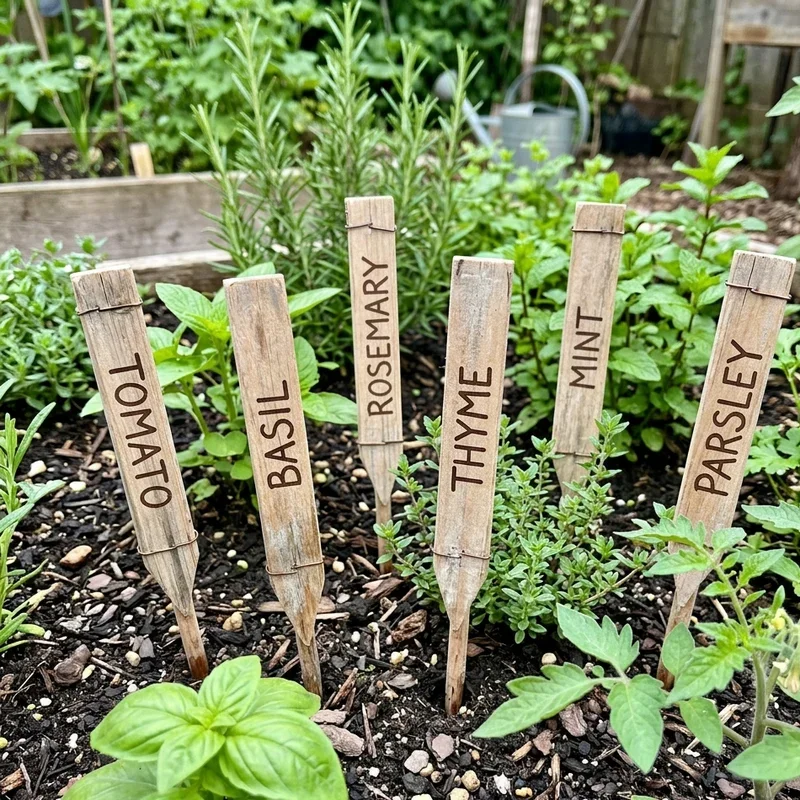
Transform blind slats into durable garden markers that identify plantings while adding decorative touches to vegetable beds and flower gardens throughout growing seasons. Cut slats to lengths appropriate for your garden scale, then point one end using scissors or utility knives for easy soil insertion. Paint slats with weather-resistant outdoor paint, then write plant names using permanent markers or paint pens that withstand rain and sun exposure. The durability of vinyl and aluminum slats exceeds wooden popsicle sticks that many gardeners use but must replace frequently. Decorate markers with small painted vegetables, flowers, or herbs that visually identify plantings beyond text alone for gardeners who appreciate artistic touches. Group spare markers in decorated containers that keep organized collections ready for spring planting sessions when identification needs arise. Your blind markers bring organization and personality to gardens through materials destined otherwise for disposal.
2. Woven Basket Creation
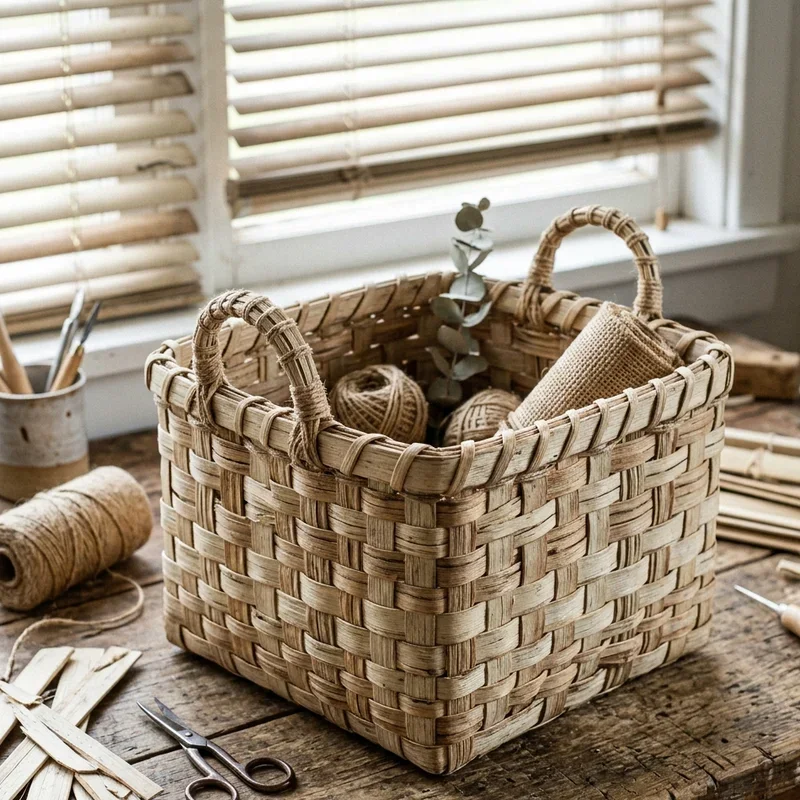
Weave blind slats into baskets that serve storage and decorative purposes through techniques transforming flat materials into dimensional containers. Cut slats into uniform lengths, then arrange stakes radiating from center points that form basket bases through weaving that builds upward. The flexibility of vinyl slats allows curving and bending that basket weaving demands without breaking or cracking under manipulation stress. Add handles fashioned from additional slats or repurposed materials that complete basket functionality for carrying or hanging purposes. Paint completed baskets in colors matching room decor, or leave natural for industrial aesthetics that celebrate material origins visibly. Line baskets with fabric if storing small items that might slip through gaps between woven slats during use. Your woven baskets transform flat window coverings into dimensional storage that demonstrates creative material transformation capabilities.
3. Picture Frame Construction
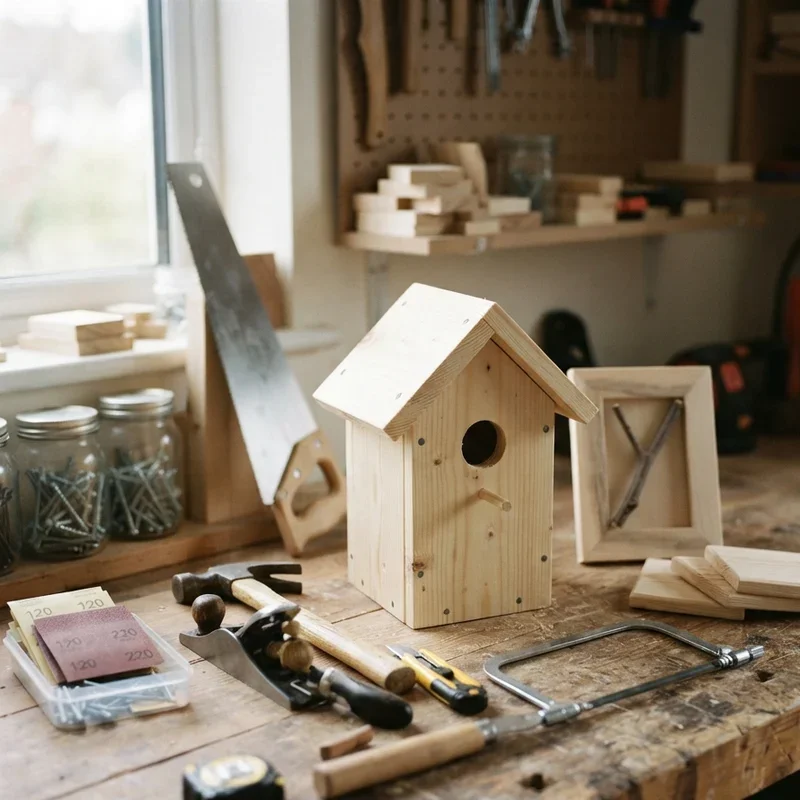
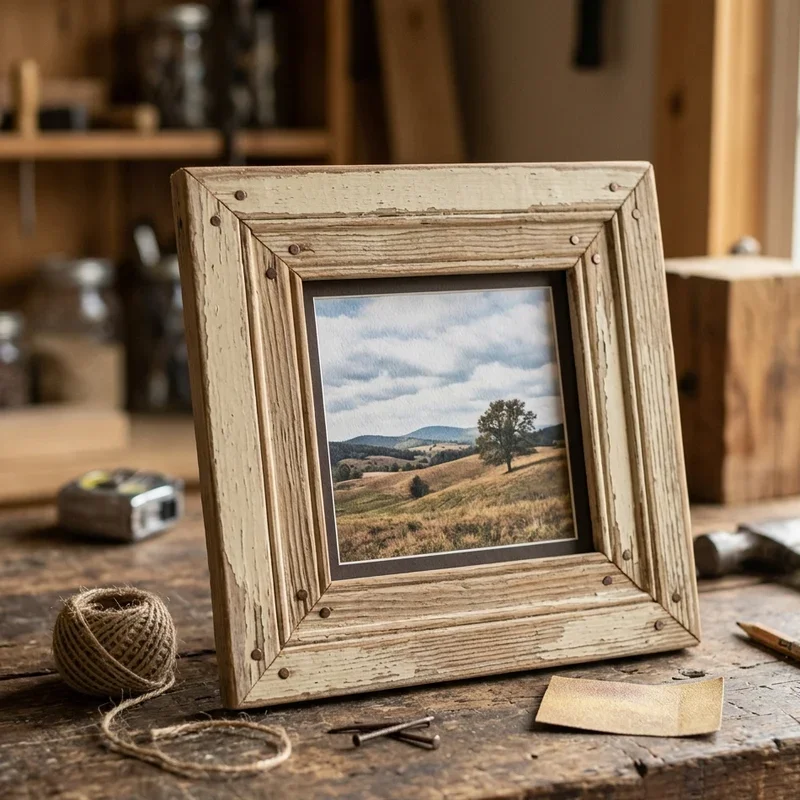
Build custom picture frames from blind slats that provide unique borders for photographs, artwork, and mirrors throughout your home's wall displays. Cut slats at forty-five-degree angles that join into rectangular or square frames through corner connections using glue or small brads. Stack multiple slats for frame depth that single-layer construction cannot provide, creating shadow box effects for displayed contents within. Sand rough edges if necessary, then paint or stain frames to complement displayed images or room color schemes appropriately. The uniform width of blind slats creates consistent framing that looks intentionally designed rather than randomly assembled from salvaged materials. Add backing boards cut from cardboard or thin plywood that support displayed items properly within completed frame structures. Your blind frames transform ordinary materials into custom display solutions that cost nothing beyond creative effort invested.
4. Holiday Ornament Designs
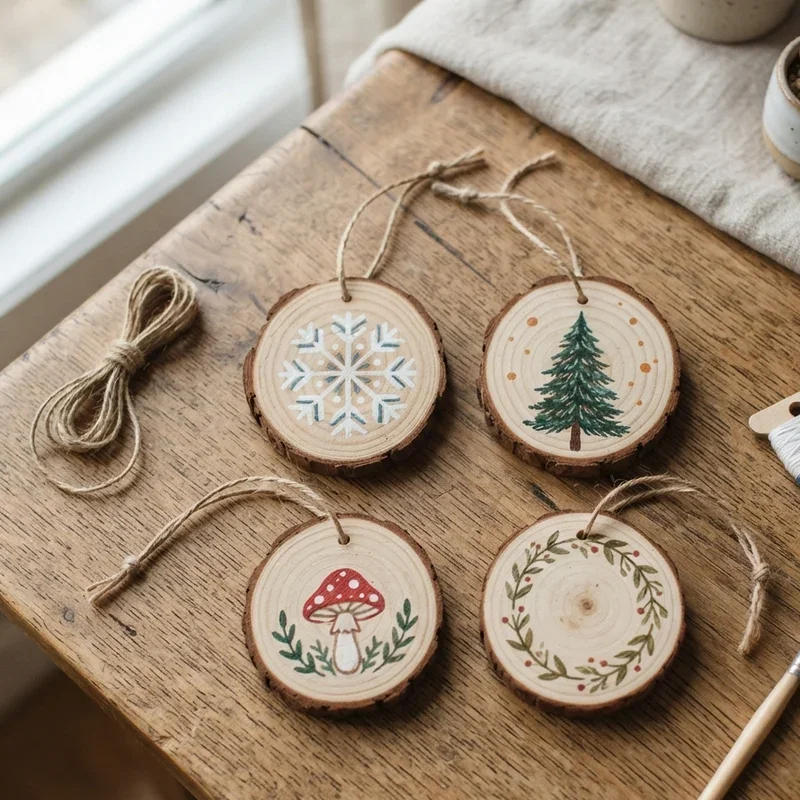
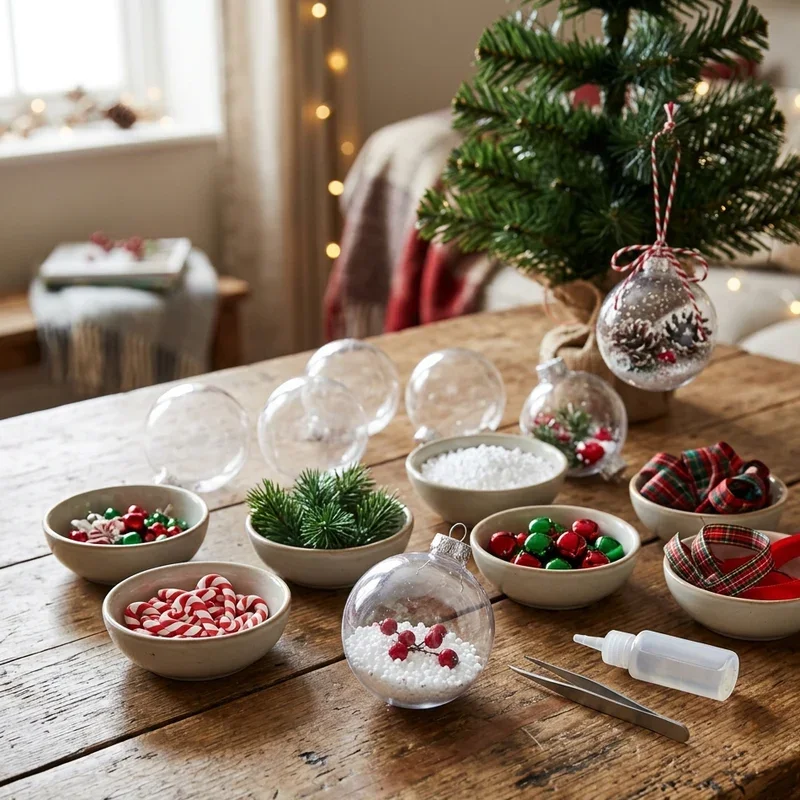
Craft seasonal ornaments from blind slats that decorate trees, mantels, and entryways during holiday celebrations throughout the calendar year. Cut slats into shapes using templates: snowflakes, stars, hearts, pumpkins, and other seasonal motifs that scissors or craft knives produce easily. Layer cut shapes for dimensional ornaments that multiple flat pieces combine to create through strategic arrangement and adhesive attachment. Drill small holes for hanging ribbons or hooks that suspend completed ornaments from branches, shelves, or doorways during celebrations. Paint with metallic, glitter, or seasonal colors that transform industrial materials into festive decorations worth displaying proudly alongside purchased alternatives. The lightweight nature of blind materials suits ornament applications where heavy decorations might damage delicate branches or hanging hardware. Your holiday ornaments extend seasonal decorating budgets while providing handmade touches that purchased decorations cannot match meaningfully.

5. Drawer Divider Organization
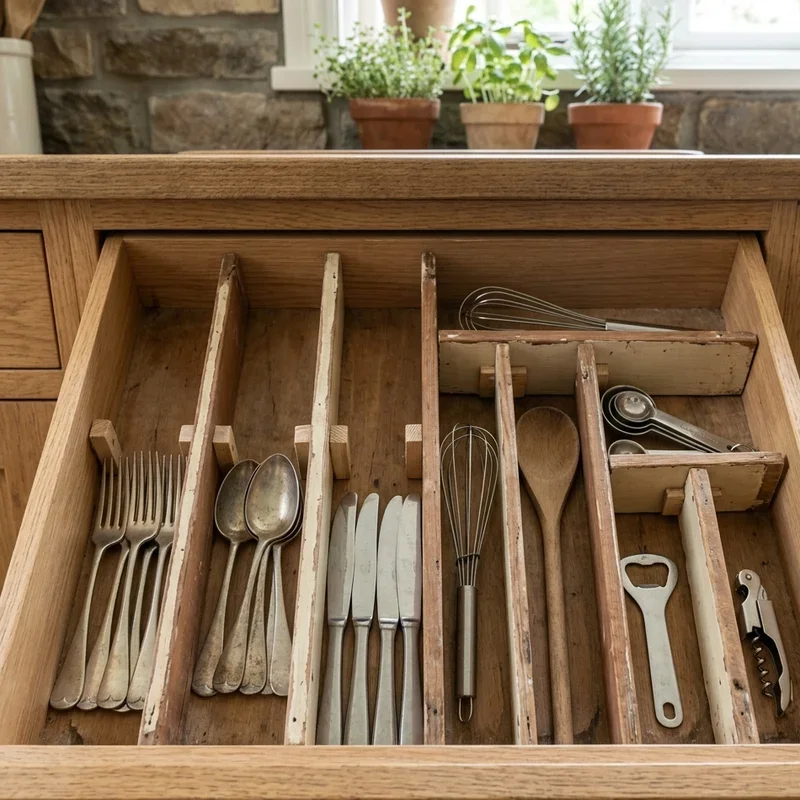
Create custom drawer dividers that organize contents precisely using blind slats cut to fit your specific drawer dimensions perfectly. Measure drawer interiors, then cut slats creating grids that separate contents into compartments preventing the jumbled chaos that undivided drawers typically develop. Notch slats at intersection points that allow pieces to interlock without adhesives, enabling future reconfiguration if organizational needs change over time. The smooth surfaces of vinyl and aluminum slats allow contents to slide freely without snagging that rough materials might cause problematically. Dividers work beautifully in kitchen utensil drawers, office supply storage, jewelry organization, and anywhere compartmentalized storage improves daily function. The customization possible with DIY dividers exceeds purchased alternatives that rarely match drawer dimensions exactly anyway. Your blind dividers bring order to chaotic drawers through materials that cost nothing while performing better than store-bought options.
6. Wall Art Installation
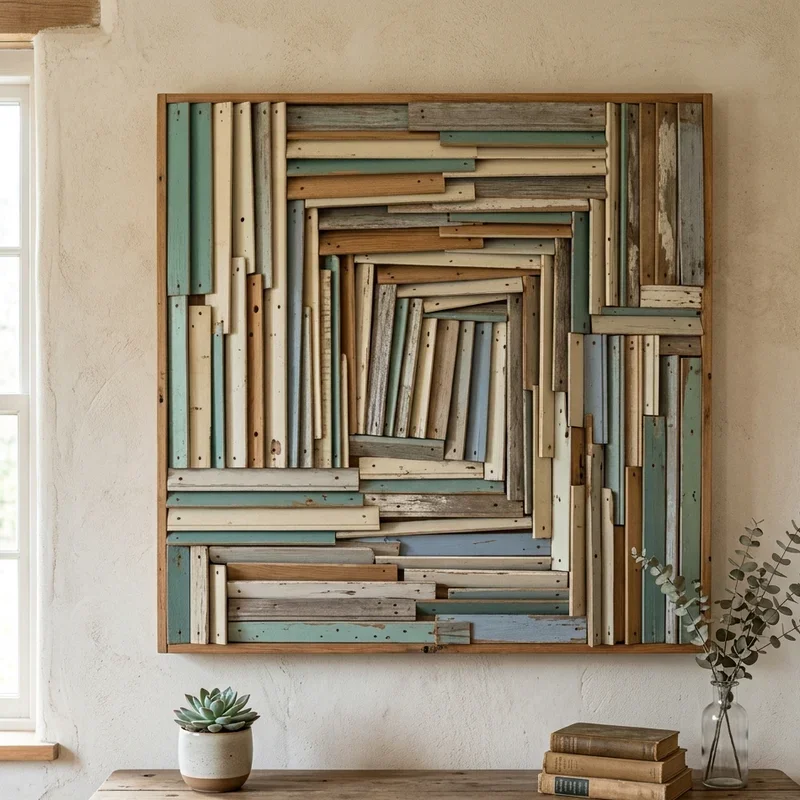
Arrange blind slats into geometric wall art that creates visual interest through material arrangement rather than traditional canvas or framed displays. Cut slats to various lengths, then arrange in patterns: sunbursts, chevrons, abstract geometrics, or flowing organic shapes that creativity dictates freely. Paint individual slats before assembly, or apply unified color afterward for different aesthetic effects depending on desired visual outcomes. Mount completed arrangements using adhesive strips, wire, or direct wall attachment depending on weight and permanence preferences. The linear nature of blind slats creates strong directional elements that dynamic wall compositions often employ for visual energy generation. Consider combining different blind materials for textural variety that single-source constructions cannot provide regardless of arrangement complexity. Your wall art transforms discarded window treatments into conversation-starting installations that demonstrate creative vision impressively.
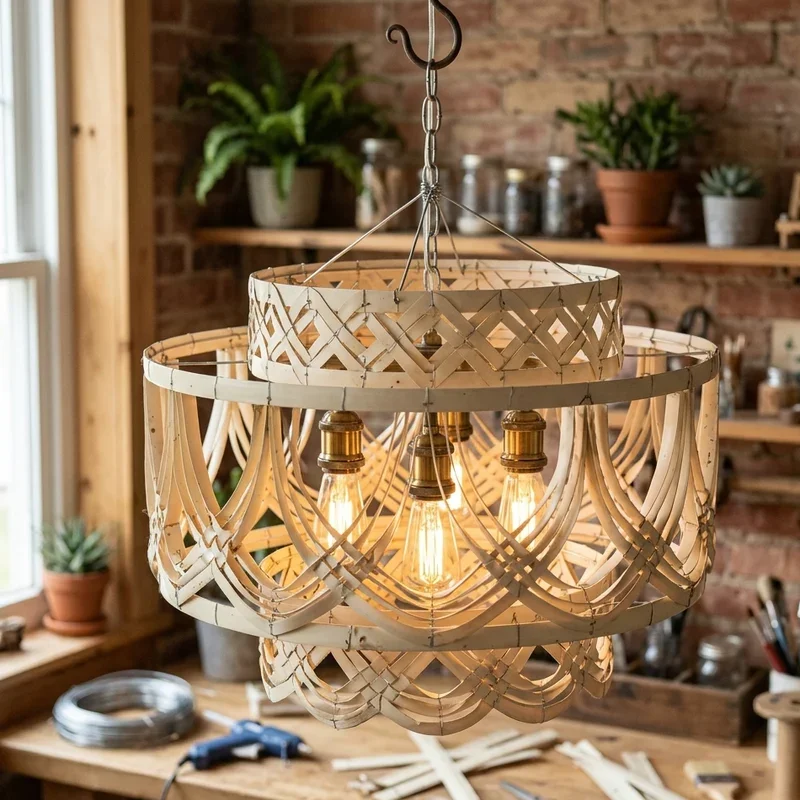
7. Mini Blind Chandelier
Construct statement lighting fixtures by arranging blind slats into chandelier forms that diffuse light while creating sculptural presence overhead. Create spherical, cylindrical, or abstract shapes by connecting slats using wire, zip ties, or adhesive that maintains desired forms permanently. Suspend completed structures from ceiling hooks, incorporating light sockets and bulbs that transform decorative sculptures into functional lighting fixtures. The translucent quality of some vinyl slats creates soft lighting effects that opaque materials cannot produce, though painted options work differently yet beautifully. Position chandeliers in living rooms, bedrooms, or dining spaces where overhead lighting and visual interest both serve interior design goals. Ensure electrical safety by keeping materials appropriate distances from heat-producing bulbs that prolonged contact might damage over time. Your blind chandelier proves that dramatic lighting solutions emerge from unexpected materials when creative vision guides construction.
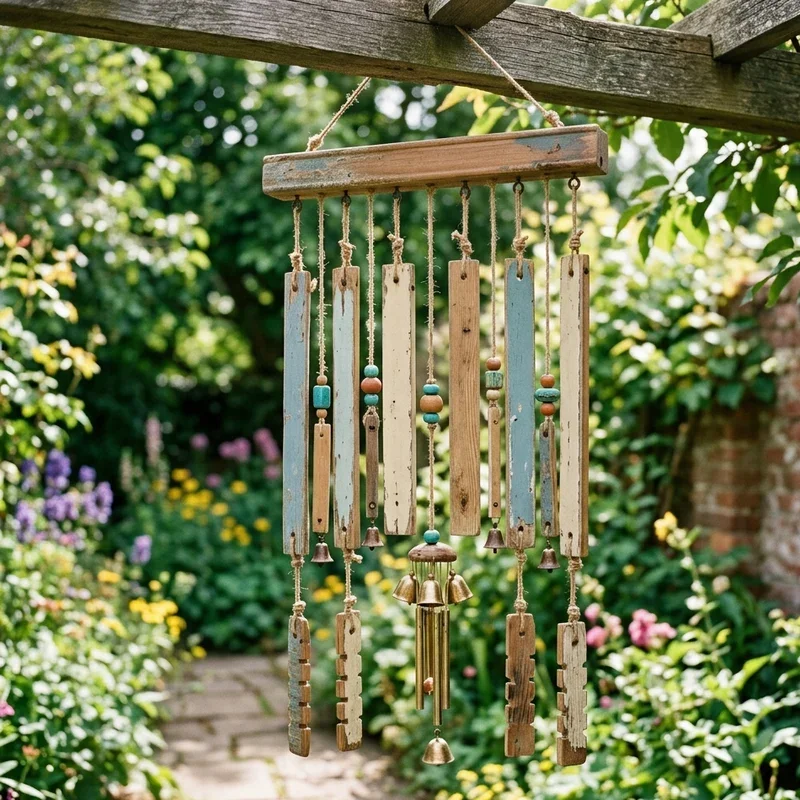
8. Outdoor Wind Chimes
Create musical garden accents by assembling blind slats into wind chimes that produce gentle sounds while adding visual interest to outdoor spaces. Cut aluminum slats to varying lengths that produce different tones when wind causes them to strike together melodically. Drill holes near slat tops for threading onto supporting structures that suspend individual pieces freely for maximum movement potential. Add central strikers that chime-producing collisions require, positioning them where wind movement creates contact most effectively during breezes. Paint chimes in garden-complementing colors, or allow aluminum to develop natural patina that outdoor exposure creates over seasons. Hang completed chimes from porches, tree branches, or garden structures where breezes trigger musical responses regularly. Your wind chimes transform silent materials into musical instruments that perform whenever wind provides the energy for sound creation.
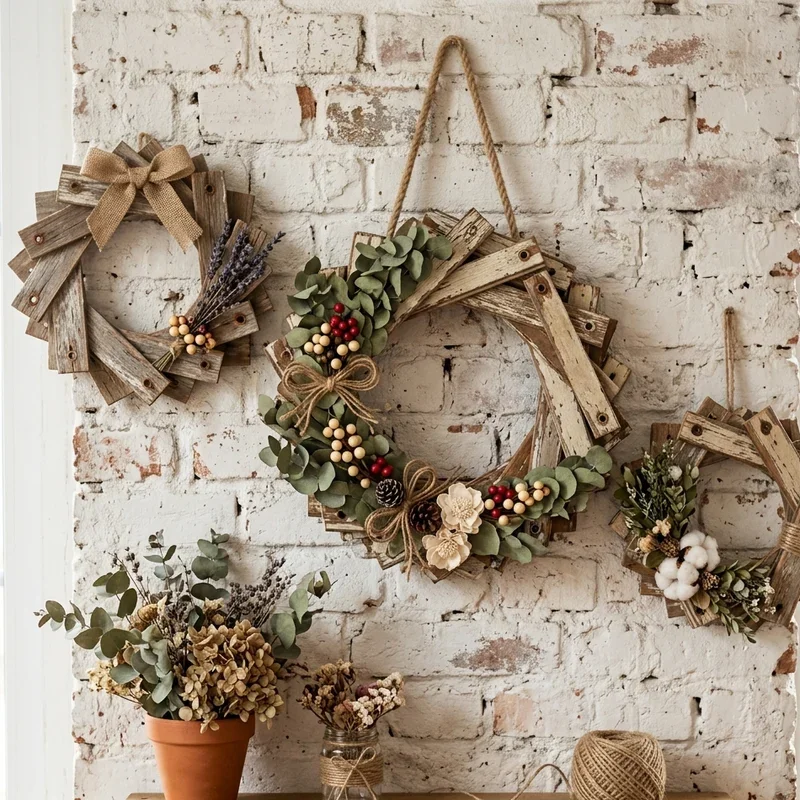
9. Decorative Wreaths
Fashion seasonal or year-round wreaths from blind slats that curl, fold, and layer into circular forms suitable for door and wall display. Roll slats into coils, loops, or accordion folds that assemble onto wreath bases fashioned from wire, foam, or additional blind materials. The flexibility of vinyl allows curving impossible with rigid materials, enabling organic shapes that natural materials inspire beautifully. Layer assembled elements for dimensional wreaths that depth provides visual interest exceeding flat alternatives regardless of decorative additions. Add embellishments like ribbon, flowers, ornaments, or seasonal accents that complete wreath presentations for specific occasions or year-round display. The durability of blind materials suits outdoor door placement where weather exposure might damage less resilient wreath constructions over time. Your wreath projects transform linear materials into circular decorations through creative manipulation that repurposes waste attractively.
10. Storage Box Labels
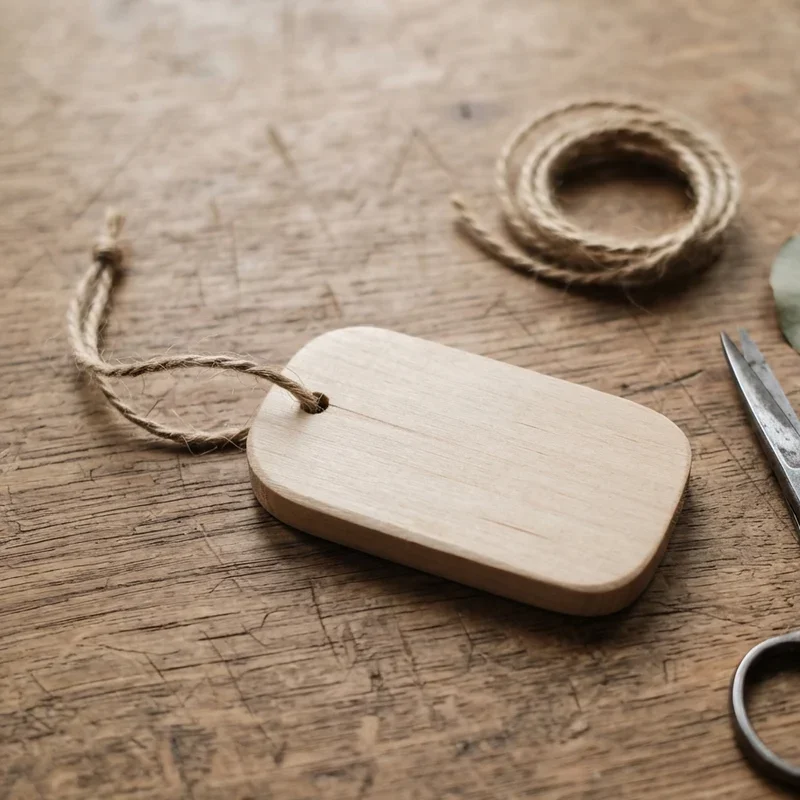
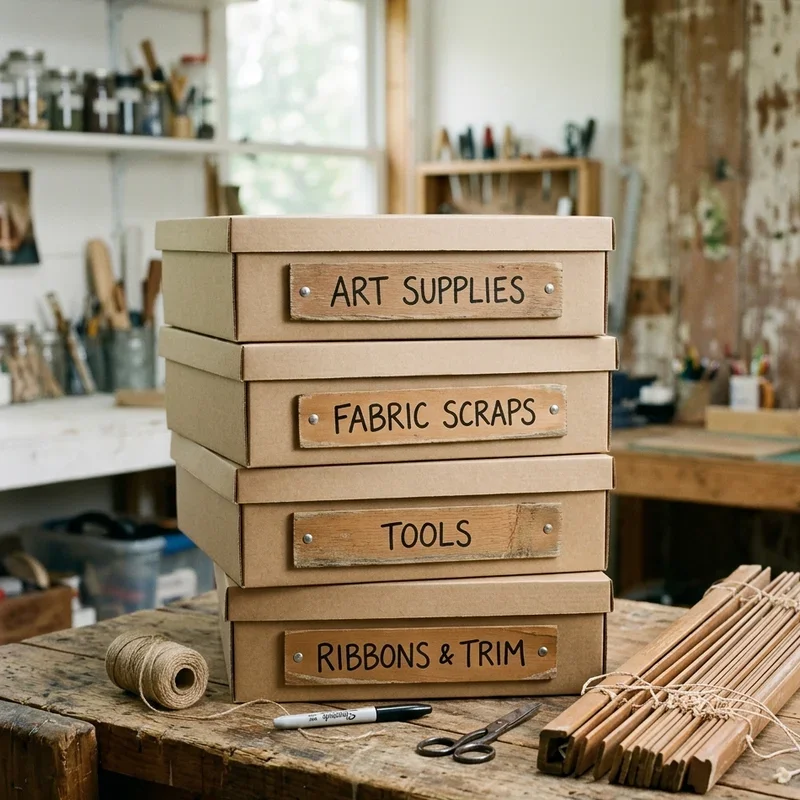
Create durable labels for storage bins and boxes using blind slats that attach, remove, and update more easily than permanent markers allow. Cut slats to sizes matching label holder dimensions, or attach directly to container surfaces using adhesive or drilling for permanent mounting. Write on slats using dry-erase markers for changeable content, or paint permanent labels for stable long-term identification purposes. The uniform appearance of slat labels creates coordinated storage systems that mismatched commercial labels cannot achieve aesthetically. Attach labels using clips, hook-and-loop fasteners, or slots that enable content updates when stored items change periodically. Consider color-coding labels by category, room, or family member for visual organization systems that text alone cannot provide as quickly. Your label system brings professional organization aesthetics to household storage using materials otherwise destined for disposal unnecessarily.
11. Venetian Blind Placemats
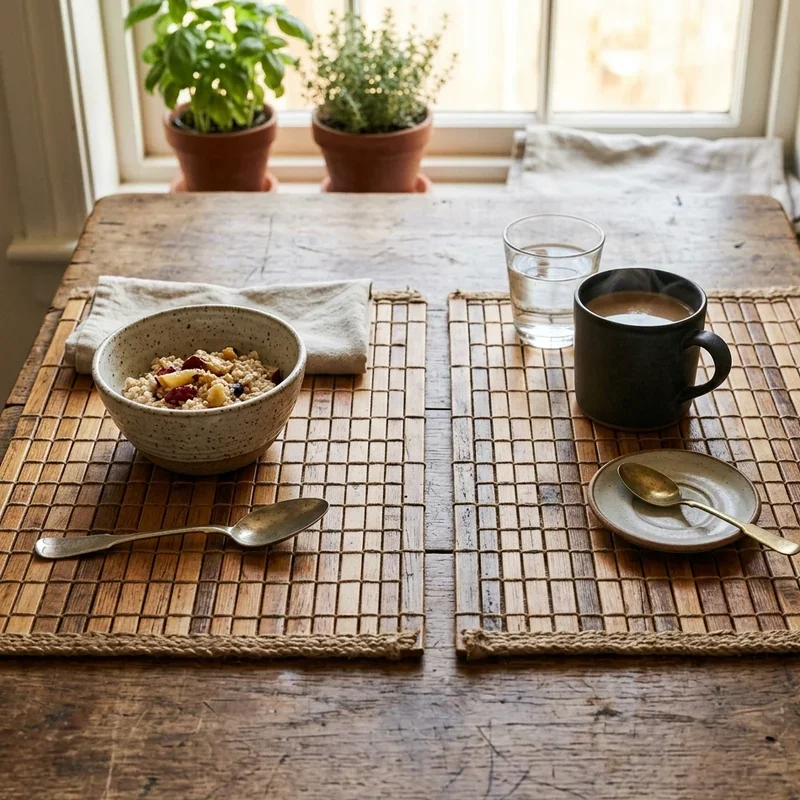
Weave horizontal blind slats into placemats that protect table surfaces while adding handcrafted texture to dining experiences daily. Cut slats to uniform placemat-appropriate lengths, then weave using alternating over-under patterns that create stable woven surfaces. Bind placemat edges using fabric tape, ribbon, or additional slat pieces that finish edges while preventing weave unraveling during use. The wipe-clean surfaces of vinyl slats make placemats practical for daily dining use where spills occur inevitably with families. Add non-slip backing if slats slide on table surfaces more than dining convenience allows during meal service. Create matching sets that coordinate place settings around dining tables during both everyday meals and special occasion gatherings. Your woven placemats demonstrate that practical dining accessories emerge from creative material reuse through simple weaving techniques.
12. Vertical Blind Room Divider
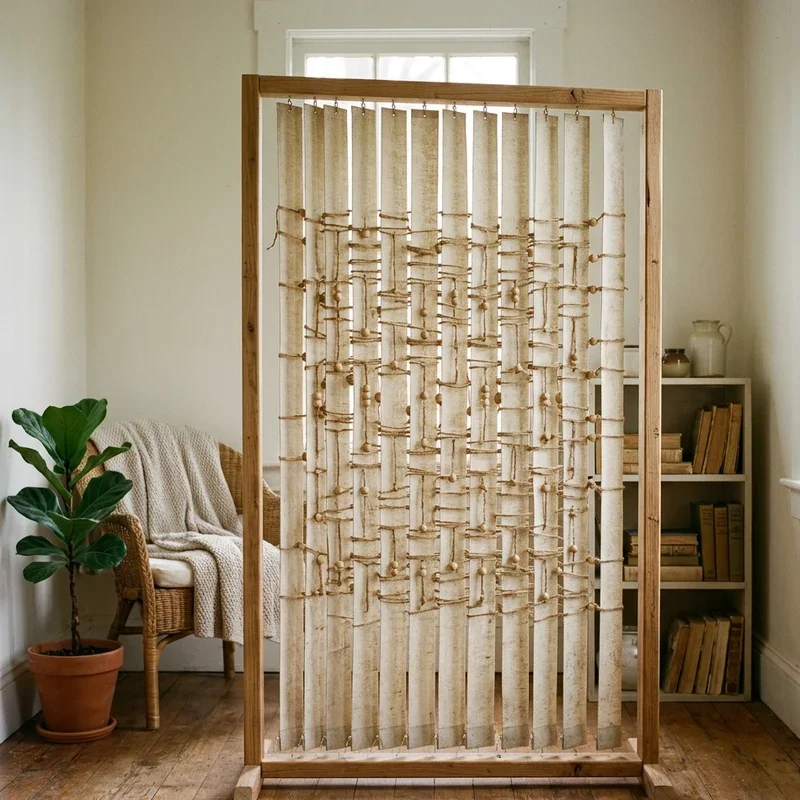
Repurpose vertical blind panels into room dividers that create zones within open floor plans while adding decorative elements simultaneously. Connect panels using chains, ribbons, or additional fabric strips that allow flexible hanging from ceiling tracks or tension rods. Paint panels in patterns, gradients, or solid colors that complement room decor while defining separated spaces visually and partially physically. The coverage that multiple panels provide creates privacy screening without permanent walls that room dividers offer as flexible alternatives. Add embellishments like beading, fabric appliqués, or painted designs that transform plain panels into decorative statement pieces worth displaying prominently. Position dividers to separate living from dining areas, create home office privacy, or define bedroom zones within studio apartments effectively. Your vertical blind divider transforms dated window treatments into functional furniture pieces serving spatial organization needs creatively.
13. Miniature Fence Edging
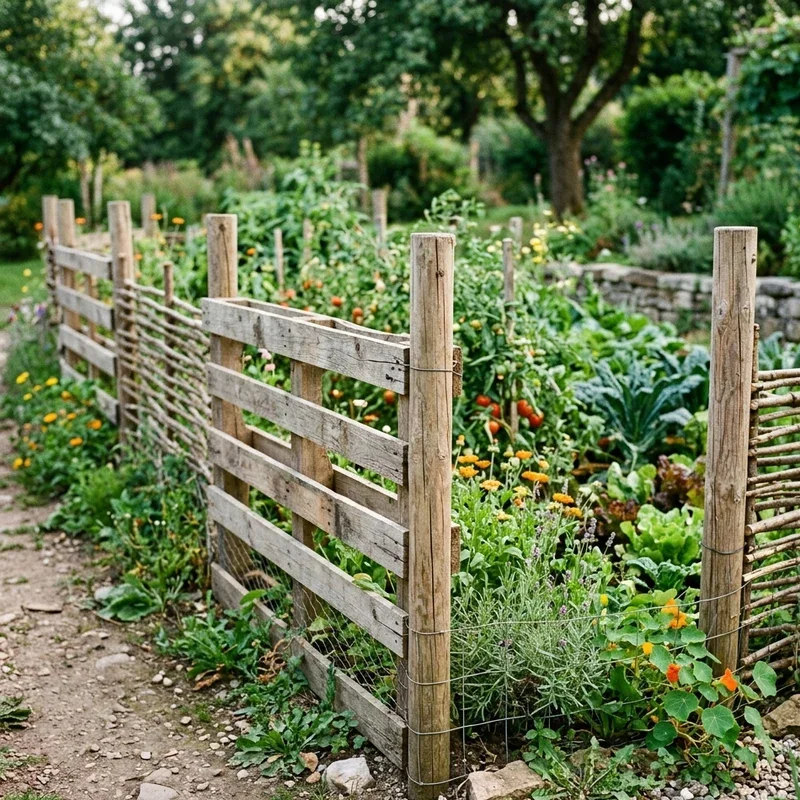
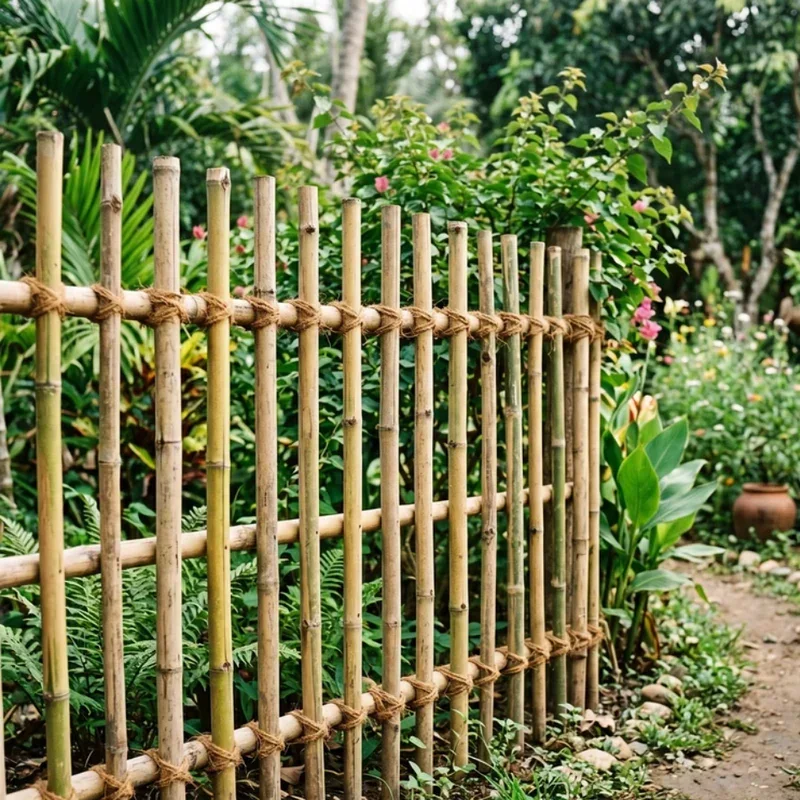
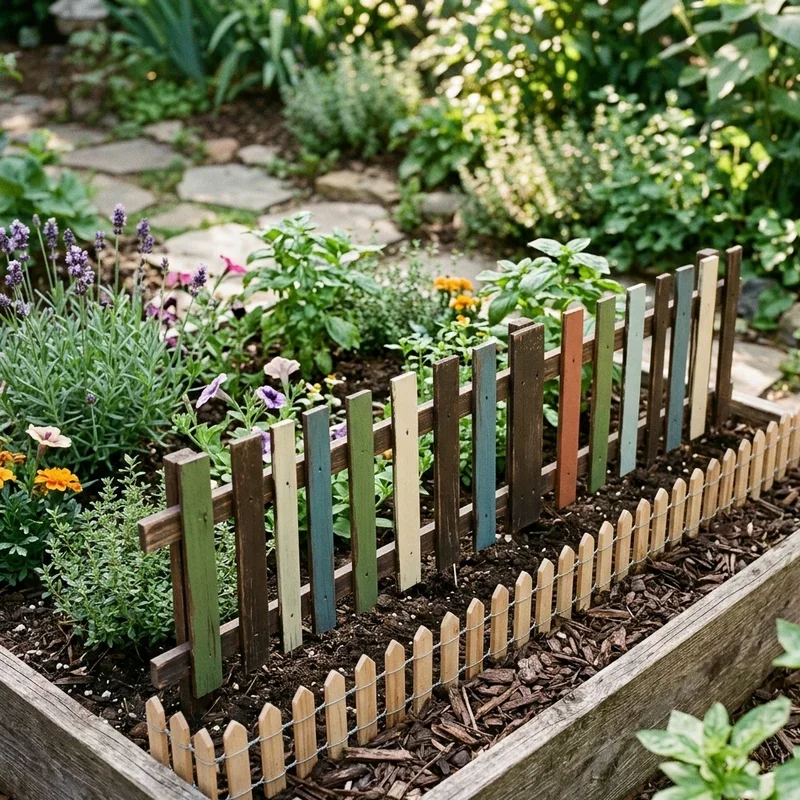
Create charming garden borders using blind slats as miniature fence sections that edge flower beds, define pathways, and add cottage character outdoors. Cut slats to fence-appropriate heights, then connect using wire, twine, or additional slat pieces that create continuous border runs. Paint traditional white for classic picket fence aesthetics, or choose colors matching garden themes and outdoor furniture selections already present. Install by pushing slat bottoms into soil, or attach to stakes that provide more stable positioning than shallow insertion allows. The weather resistance of vinyl and aluminum suits outdoor applications that wooden alternatives eventually succumb to through rot and decay. Create gates and decorative sections that add variety beyond straight fence runs throughout garden installations interestingly. Your miniature fencing brings cottage garden charm through material repurposing that beautifies while reducing waste destined for landfills.
14. Clipboard Craft Project
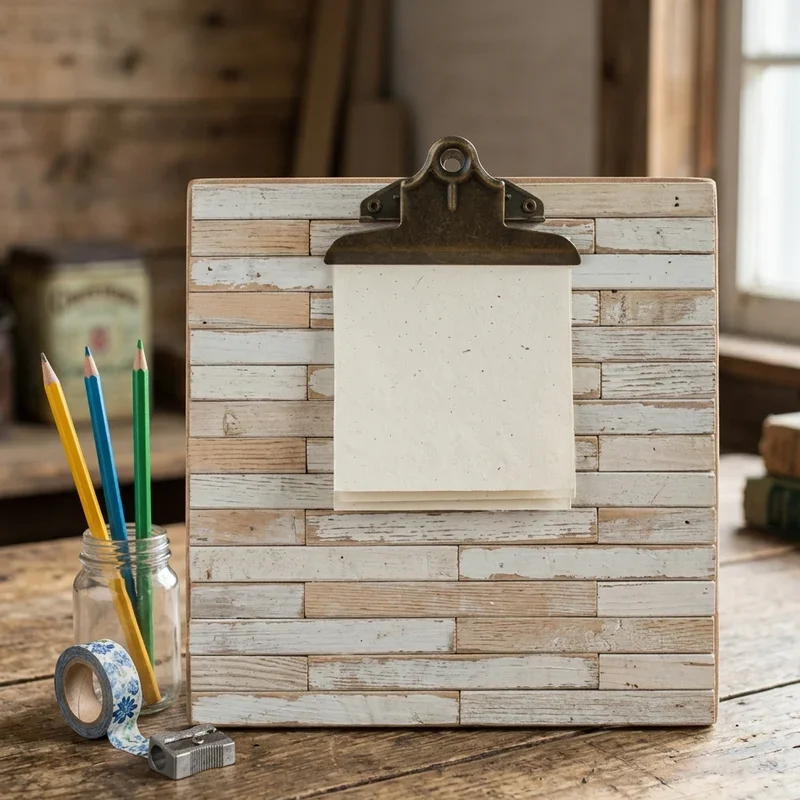
Construct decorative clipboards from blind slats that organize papers while adding visual interest to home offices and kitchen command centers. Layer slats horizontally across backing boards, creating textured surfaces that break from smooth commercial clipboard monotony. Attach binder clips or spring clips at tops that secure papers while allowing easy addition and removal of documents daily. Decorate clipboard surfaces with paint, decoupage, or additional embellishments that personalize organizational tools for specific users or purposes. Hang completed clipboards on walls where they display important papers while serving decorative functions simultaneously in functional spaces. Create themed clipboards for different organizational needs: meal planning, school papers, bills due, or family schedules that benefit from visible posting. Your blind clipboards transform basic organization tools into decorative elements worth displaying rather than hiding in drawers.
15. Lampshade Renovation
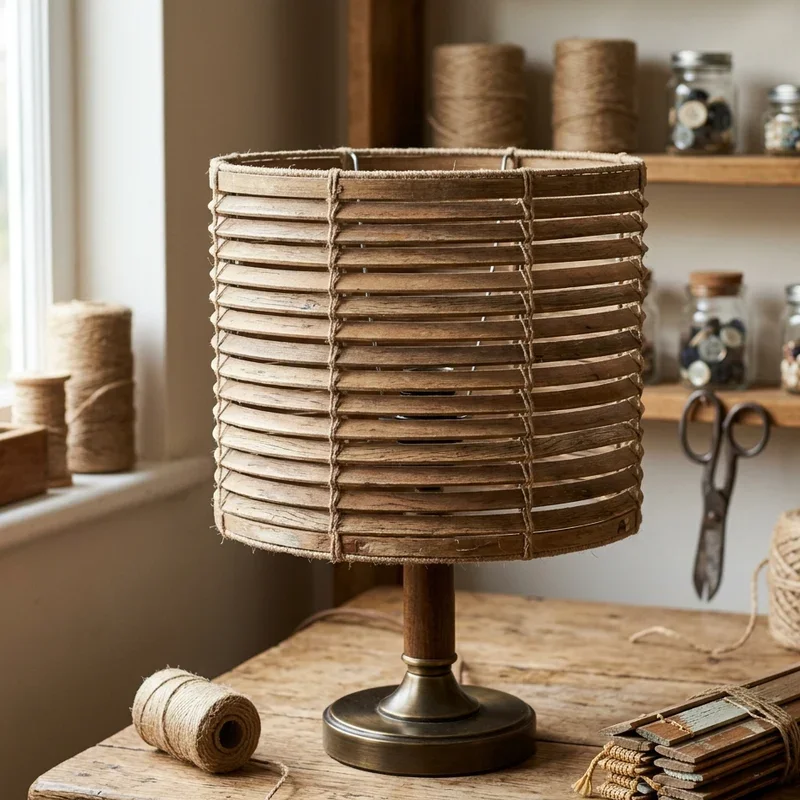
Revive outdated lampshades by covering them with blind slats arranged in patterns that transform lighting fixtures into statement pieces. Remove existing shade coverings if desired, or attach slats directly over current surfaces using adhesive appropriate for shade materials. Arrange slats vertically, horizontally, or in overlapping patterns that create textural interest when lit from within during evening hours. The light-filtering properties of some blind materials create ambient glow effects that solid shade coverings cannot produce similarly. Paint slats before attachment if color changes serve design goals better than original blind colors provide naturally. Consider combining different slat types for varied textures that single-material renovations cannot achieve regardless of arrangement creativity. Your renovated lampshade extends fixture lifespans while introducing handcrafted character that purchased replacements cannot match meaningfully.
Conclusion
Old blinds deserve creative second lives that transform discarded window treatments into functional art, home organization solutions, and decorative elements throughout living spaces. These fifteen ideas demonstrate remarkable versatility within blind materials, from garden markers to chandeliers that span practical to dramatically decorative applications. The environmental benefit of upcycling adds meaning beyond mere crafting, reducing landfill contributions while creating items that purchased alternatives would require consuming new resources to produce. Consider starting with simpler projects like plant markers or drawer dividers before progressing toward complex constructions like woven baskets or lighting fixtures. The uniform sizing and durable materials that blinds provide make them ideal crafting components that beginners and experienced makers both appreciate equally. Your upcycled blinds prove that creative vision transforms waste into worth through imagination and effort.
Read next: 15 DIY Ways to Cover Open Shelves with Style
Frequently Asked Questions
Q1: What types of blinds work best for upcycling craft projects?
A: Vinyl and aluminum mini blinds offer most versatility, while fabric verticals suit different projects.
Q2: How do I clean old blinds before starting craft projects?
A: Wipe slats with mild soap and water, then dry completely before painting or assembling.
Q3: Can I paint vinyl blind slats for craft projects?
A: Yes, use plastic-adhering spray paint or acrylic craft paint with proper primer application first.
Q4: Where can I find old blinds for upcycling projects?
A: Check thrift stores, curb alerts, renovation projects, and online marketplace free sections regularly.
Q5: Are blind materials safe for outdoor craft project use?
A: Yes, vinyl and aluminum resist weather well, making them suitable for garden and patio projects.
Stay up to date with our latest ideas!