15 DIY Awning Ideas to Upgrade Your Outdoor Space
Transform your outdoor area with 15 creative DIY awning ideas. From fabric to pergola styles, create perfect shade solutions today.
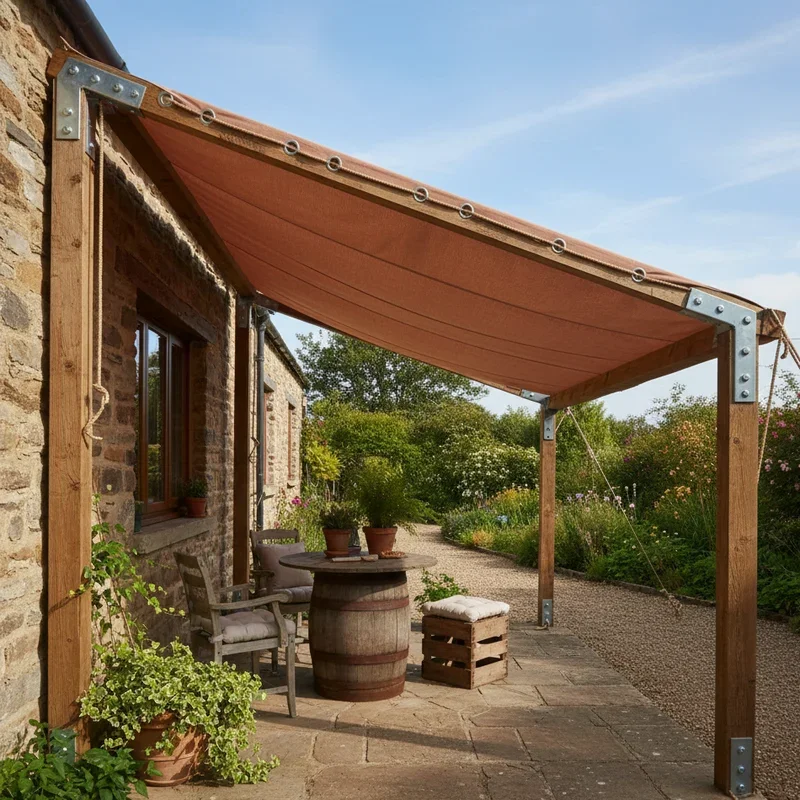
Ever sat outside on a gorgeous day only to get chased indoors by the scorching sun or sudden drizzle? That's where awnings swoop in like superheroes for your outdoor space! These versatile shade solutions transform patios, decks, and yards from unbearable to blissful in no time. Think of awnings as your outdoor room's roof, creating that perfect sweet spot between being inside and embracing nature. The best part? You don't need to drain your savings account or hire expensive contractors to get one! DIY awning projects have exploded in popularity because they're surprisingly achievable for weekend warriors with basic tools and determination. Whether you're shading a cozy balcony, covering a sprawling deck, or creating a comfortable spot for outdoor dining, there's an awning solution that fits your space, budget, and skill level perfectly. From simple canvas solutions to more elaborate pergola-style structures, the options are as diverse as your imagination allows. Ready to reclaim your outdoor space from the sun's tyranny? These 15 DIY awning ideas will have you sipping lemonade in the shade before you know it. Let's dive into projects that range from beginner-friendly afternoon builds to ambitious weekend undertakings that'll make your neighbors seriously jealous!
1. Simple Canvas Drop Cloth Awning
Transform inexpensive canvas drop cloths into a charming awning that provides instant shade relief for your outdoor area! This budget-friendly project uses painter's drop cloths available at any hardware store, making it perfect for first-time DIYers. Attach the canvas to a simple wooden frame mounted above your door or window using heavy-duty grommets and weather-resistant screws. The natural canvas color creates a relaxed, coastal vibe while blocking harmful UV rays effectively. Seal the fabric with waterproofing spray to extend its life and provide rain protection during unexpected showers. This awning style works beautifully over entryways, small patios, or even as a market-stall inspired covering. The best part? If you tire of the look, simply swap the canvas for different fabric without rebuilding the entire structure!
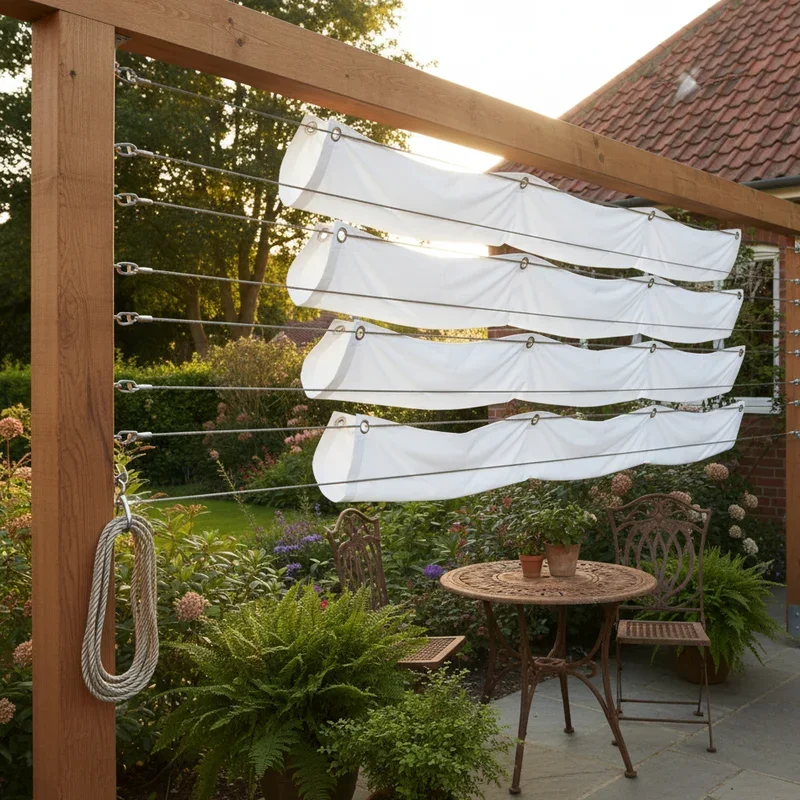
2. Retractable Rope and Fabric Shade
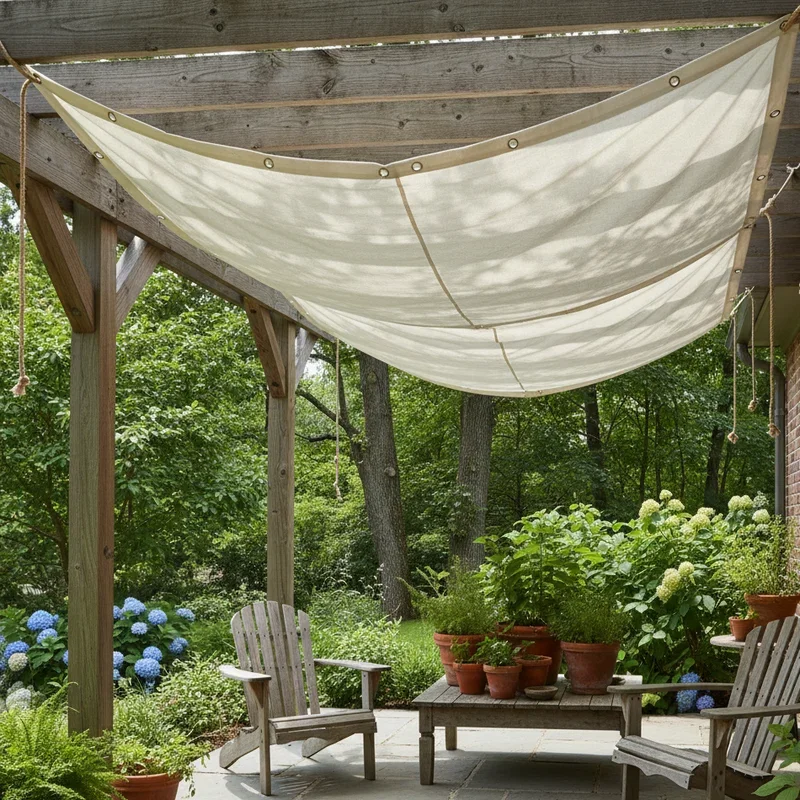
Create a versatile retractable awning using marine-grade rope and outdoor fabric that you can adjust throughout the day! This clever design employs a pulley system allowing you to extend shade when needed and retract it for full sun or stargazing. Install sturdy eye hooks on your house wall and opposing posts, threading weather-resistant rope through them to support your fabric panel. Choose fade-resistant outdoor fabric in colors complementing your exterior for both function and style. The genius lies in the flexibility; pull it taut during peak sun hours and loosen it when clouds roll in. This system particularly suits spaces where permanent structures aren't feasible due to rental restrictions or architectural limitations. Add decorative rope ties creating elegant draping effects when the awning is partially retracted.
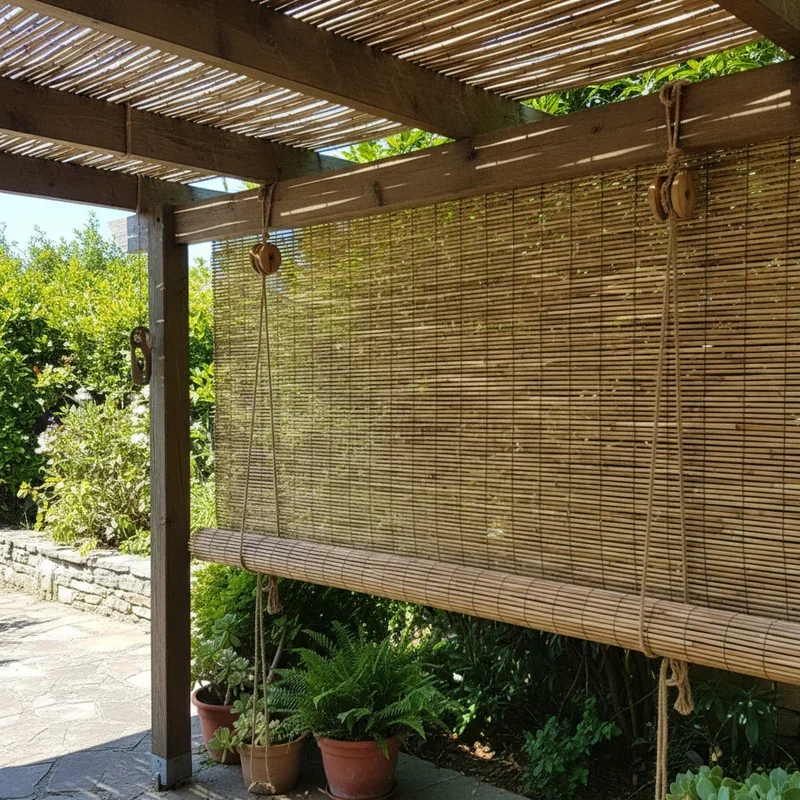
3. Bamboo Roll-Up Awning
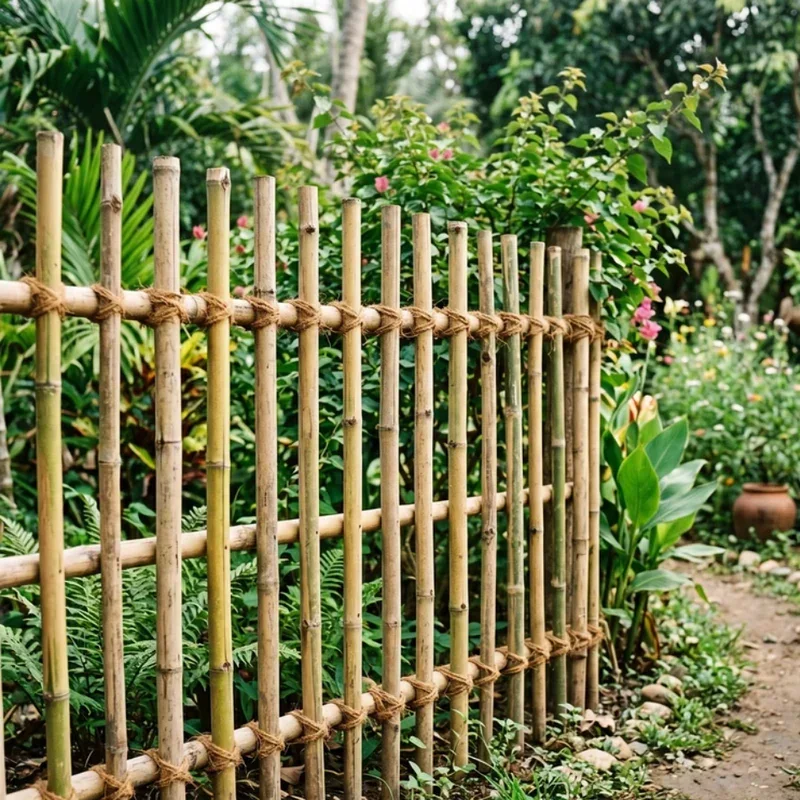
Bring tropical resort vibes home with a natural bamboo roll-up awning that's both eco-friendly and incredibly stylish! Bamboo blinds or fencing work perfectly for this project, providing dappled shade while maintaining airflow and visual interest. Mount the bamboo panel using a simple roller system salvaged from old blinds or purchased at home improvement stores. The natural material filters sunlight beautifully, creating those gorgeous shadow patterns that dance across your patio floor. Install a pull cord or chain mechanism making raising and lowering the awning effortless for daily adjustments. This option excels in creating privacy screening while still allowing breezes to flow through the narrow gaps between bamboo slats. Treat the bamboo with outdoor sealant protecting against moisture damage and extending its lifespan significantly. Your tropical escape awaits just outside your door!
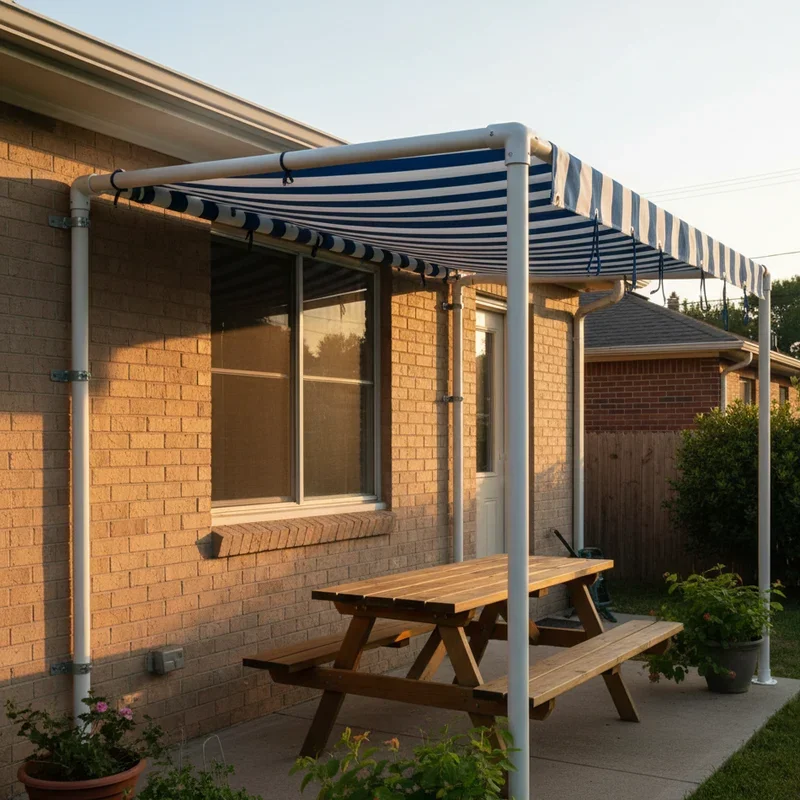
4. PVC Pipe Frame Canopy
Build an incredibly affordable and lightweight awning using PVC pipes that's perfect for temporary or semi-permanent shade solutions! This project requires basic PVC cutting skills and various elbow and T-joint connectors creating your desired frame shape. The pipe framework provides surprising strength while remaining light enough to move or adjust as your outdoor layout changes. Stretch outdoor fabric, canvas, or even a waterproof tarp over the completed frame, securing it with zip ties or Velcro straps. This modular design allows endless customization in size and configuration, fitting odd-shaped spaces that standard awnings can't accommodate. Paint the PVC to match your decor or leave it white for a clean, modern aesthetic. The frame disassembles easily for winter storage, protecting your investment during harsh weather months.
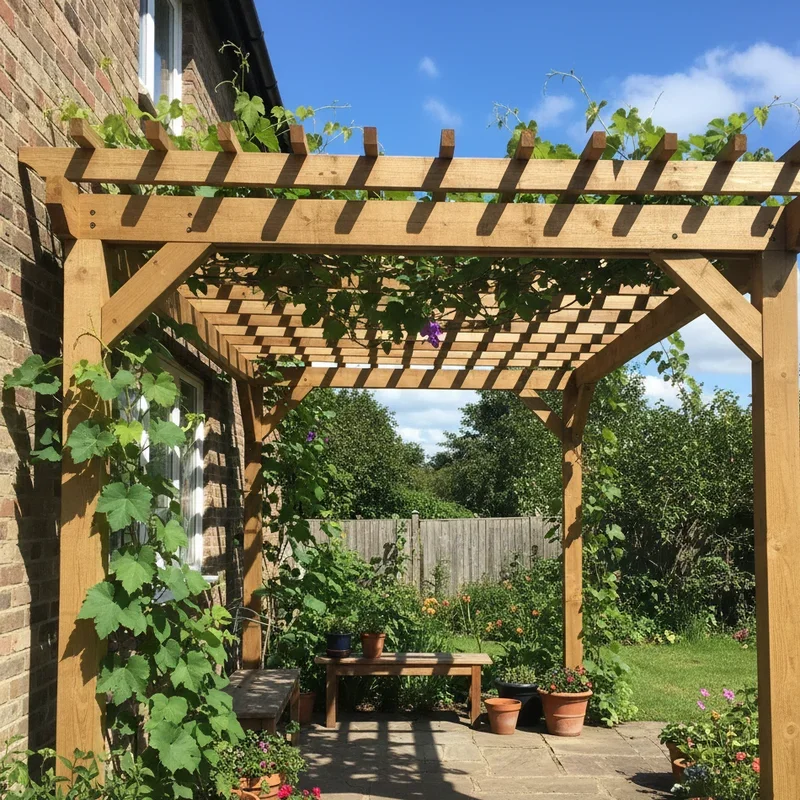
5. Pergola-Style Slatted Awning
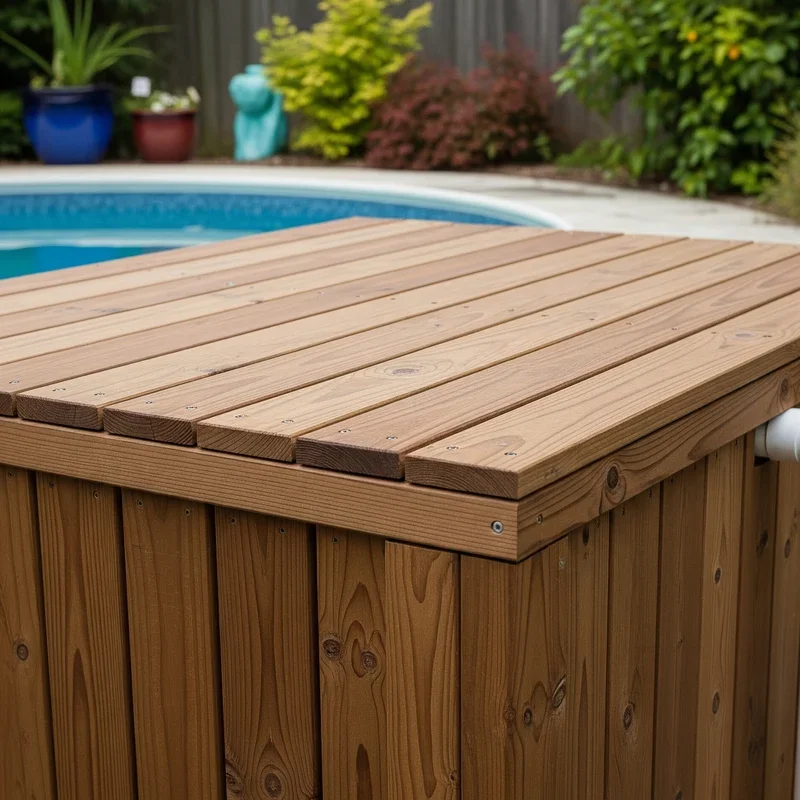
Construct a stunning pergola-style awning with horizontal slats creating partial shade while maintaining that airy, open-ceiling feeling! This intermediate project uses dimensional lumber arranged in parallel rows across support beams, filtering sunlight throughout the day. The slatted design allows rain to pass through while still providing significant sun protection during peak hours. Space your slats closer together for maximum shade or farther apart for a lighter, more decorative touch. Stain or paint the wood to complement your home's exterior, or let it weather naturally for rustic charm. This structure adds architectural interest and property value beyond just functional shade provision. Train climbing plants like wisteria or jasmine along the slats creating a living ceiling that evolves with seasons.
6. Sail Shade Triangle Installation
Install dramatic triangular sail shades creating modern, sculptural awnings that make bold design statements! These geometric beauties attach to existing structures or dedicated posts using heavy-duty hardware and tensioning systems. Layer multiple sails at different heights and angles creating dynamic coverage that blocks sun from multiple directions throughout the day. Choose vibrant colors making your outdoor space pop or neutral tones for understated elegance. The tensioned fabric creates that taut, professional appearance while providing excellent UV protection and moderate rain resistance. This contemporary option suits modern homes beautifully, offering flexibility traditional awnings can't match. Angle your sails strategically capturing prevailing breezes while blocking the harshest afternoon sun. Remove or adjust sails seasonally adapting coverage to changing sun angles and weather patterns throughout the year.
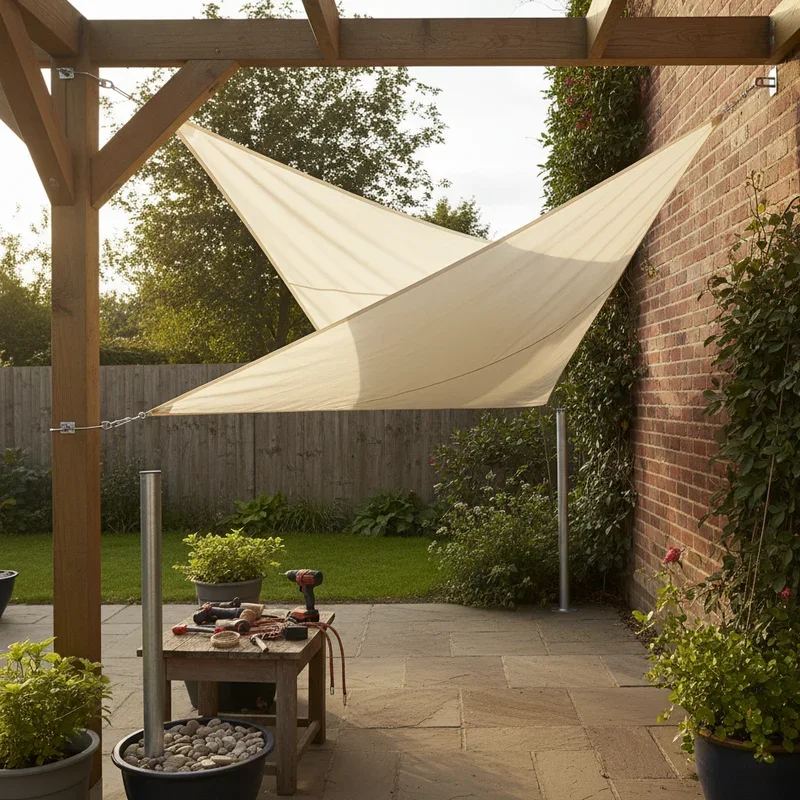
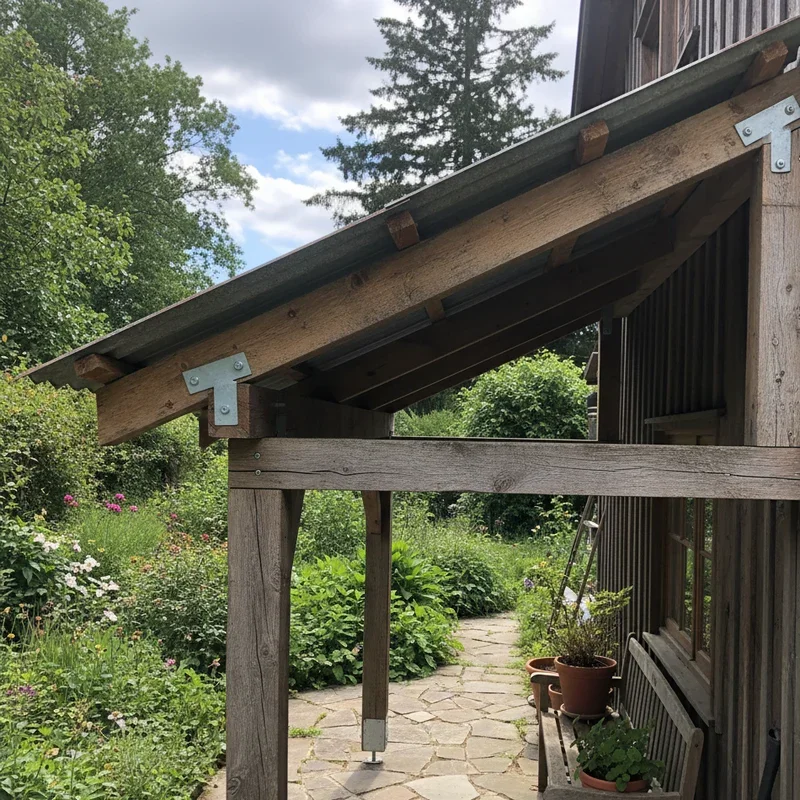
7. Corrugated Metal Roof Awning
Create an industrial-chic awning using corrugated metal roofing that's incredibly durable and virtually maintenance-free! This robust option provides complete rain protection while reflecting heat rather than absorbing it like fabric alternatives. Build a simple wooden or metal frame supporting the corrugated panels, ensuring proper slope for water runoff. The metallic material creates interesting acoustic effects during rainstorms, turning precipitation into pleasant patter rather than annoyance. Choose from galvanized steel, aluminum, or even copper panels depending on your aesthetic preferences and budget constraints. This awning style particularly suits modern, farmhouse, or industrial exterior designs beautifully. Install translucent corrugated panels if you want shade without completely blocking natural light entering nearby windows. Your metal awning will outlast fabric options by decades with minimal upkeep required!
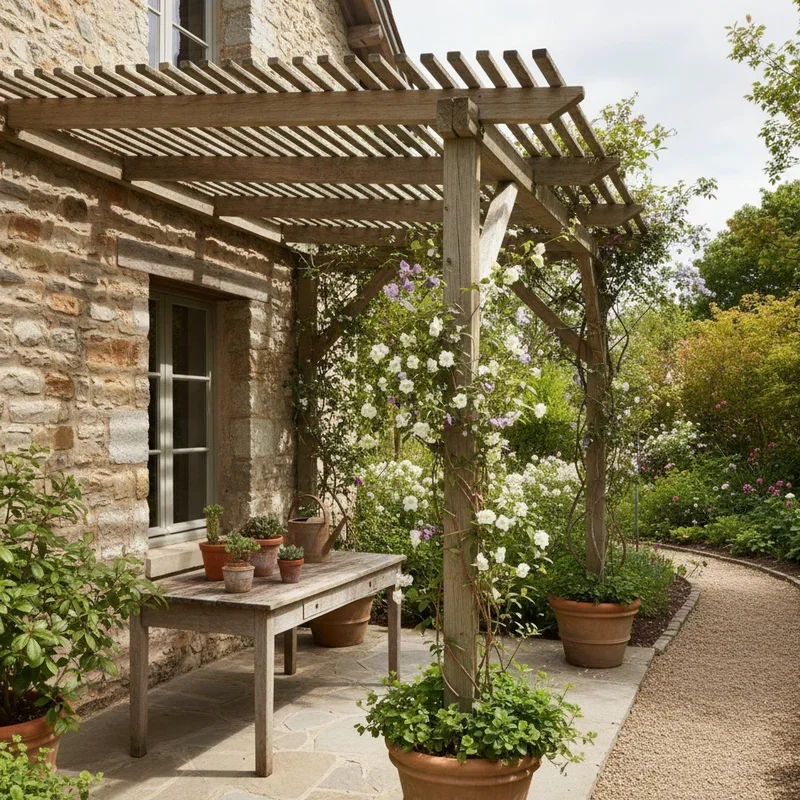
8. Wooden Lattice Awning Top
Design a charming lattice-topped awning that provides dappled shade while creating vertical growing opportunities for climbing plants! This classic design uses pre-made lattice panels or creates custom patterns from thin wooden strips arranged in diagonal or grid patterns. The open weave allows air circulation preventing that stuffy feeling solid awnings can create in enclosed spaces. Mount the lattice onto a simple frame structure positioned over decks, patios, or garden seating areas. The geometric shadows cast by lattice patterns add visual interest to the space below, creating ever-changing patterns throughout the day. Plant climbing roses, clematis, or grape vines transforming your awning into a living, fragrant canopy over time. This romantic option suits cottage gardens and traditional homes beautifully while remaining surprisingly sturdy and weather-resistant.
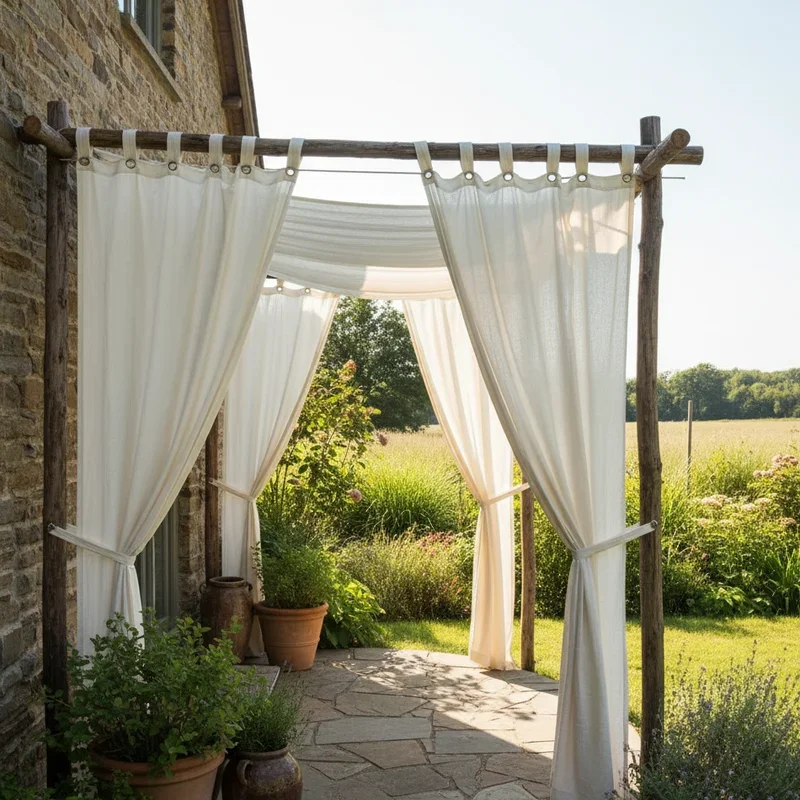
9. Outdoor Curtain Awning System
Install a flexible curtain-based awning system that provides adjustable shade, privacy, and wind protection all in one elegant solution! This approach uses outdoor-rated curtain panels hung from weather-resistant rods or cable systems mounted around your patio perimeter. Choose light, flowing fabrics for breezy elegance or heavy canvas for maximum sun blocking and privacy screening. The genius lies in complete adjustability; tie back curtains for open entertaining or close them creating intimate, protected spaces. This system particularly excels on covered porches or pergolas where overhead structure already exists for mounting hardware. Mix solid and sheer panels creating layered looks with varied light filtering capabilities. Install grommets allowing curtains to slide easily along rods for effortless daily adjustments. Your outdoor room gains instant sophistication and functionality!
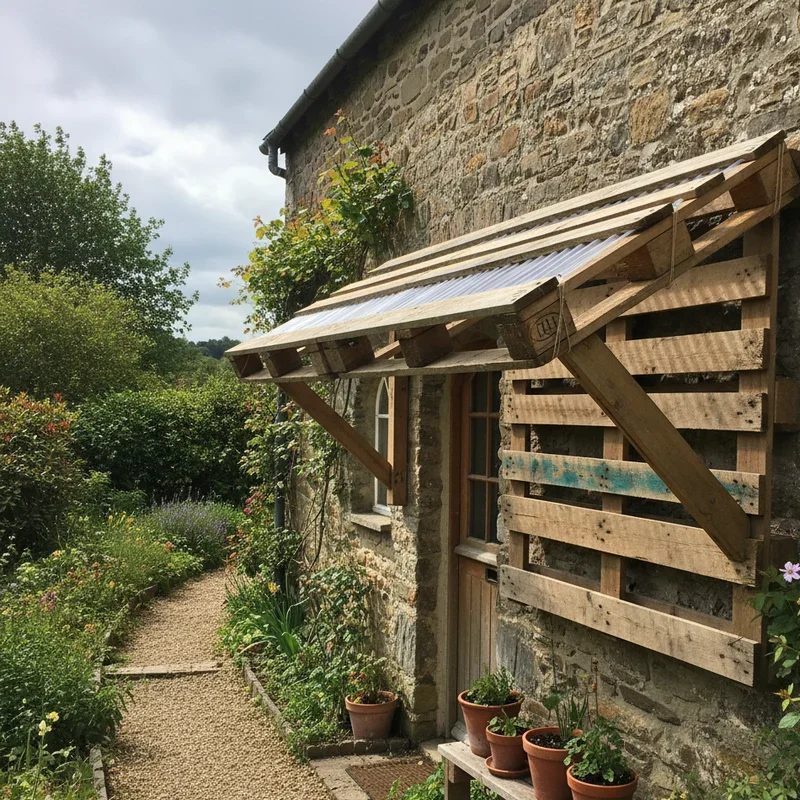
10. Repurposed Pallet Awning
Embrace sustainable building by creating a rustic awning from free or inexpensive wooden pallets requiring minimal modification! This eco-friendly project celebrates reclaimed materials while delivering authentic, weathered character impossible to replicate with new lumber. Disassemble pallets carefully, selecting the best boards for your awning structure while discarding damaged pieces. Arrange pallet slats creating slatted shade similar to a pergola but with that distinctive rustic, industrial aesthetic. The varied wood tones and weathering create visual interest and character that brand-new lumber simply cannot match. Seal the wood protecting against further deterioration while preserving that authentic aged appearance. This budget-conscious option proves that beautiful outdoor structures don't require expensive materials or professional contractors. Your pallet awning becomes a conversation piece celebrating sustainability and creative resourcefulness!
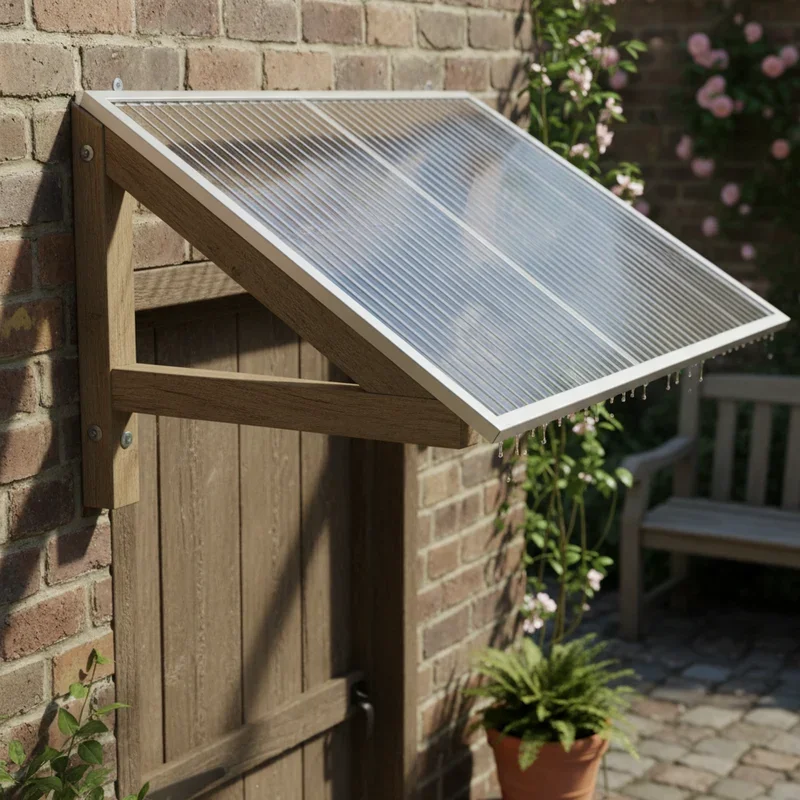
11. Polycarbonate Panel Awning
Install crystal-clear or tinted polycarbonate panels creating awnings that provide rain protection while maintaining bright, naturally lit outdoor spaces! These durable plastic panels resist impact, UV rays, and weather extremes better than glass while costing significantly less. The transparency means rooms adjacent to the awning don't lose natural light, keeping interiors bright and cheerful. Build a simple sloped frame ensuring proper drainage, then secure panels using specialized fasteners allowing thermal expansion. Choose clear panels for maximum light transmission or bronze-tinted varieties reducing glare while maintaining visibility. This modern material resists yellowing and degradation lasting decades with minimal maintenance required. The sleek appearance suits contemporary homes while the practicality appeals to anyone tired of replacing fabric awnings. Your polycarbonate awning delivers the perfect combination of protection and illumination!
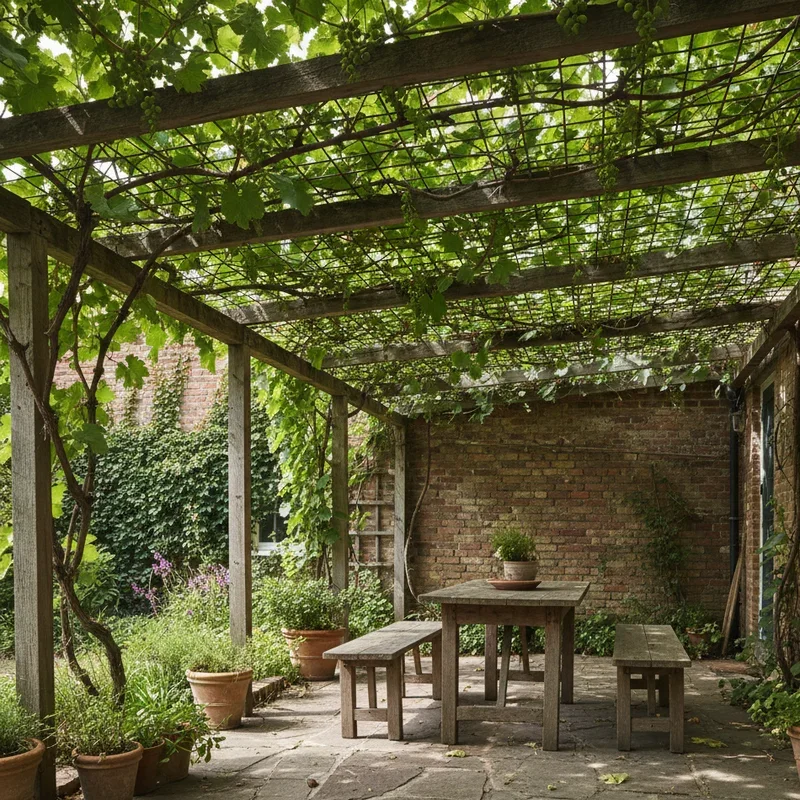
12. Vine-Covered Living Awning
Create a spectacular living awning by training fast-growing vines over a simple frame structure that evolves into lush, natural shade! This patient gardener's dream combines structural elements with botanical beauty creating cooling canopies that improve with time. Build a basic wooden or metal framework strong enough to support substantial plant weight once vines mature fully. Select vigorous climbers like wisteria, grape vines, or passionflower that thrive in your climate and provide the coverage you desire. The living canopy reduces temperatures beneath it more effectively than artificial materials through transpiration cooling. Enjoy seasonal changes as your awning flowers, fruits, or changes color with passing months. This option requires more maintenance than static awnings but rewards you with unmatched natural beauty and environmental benefits. Your living roof becomes a habitat for beneficial insects and birds!
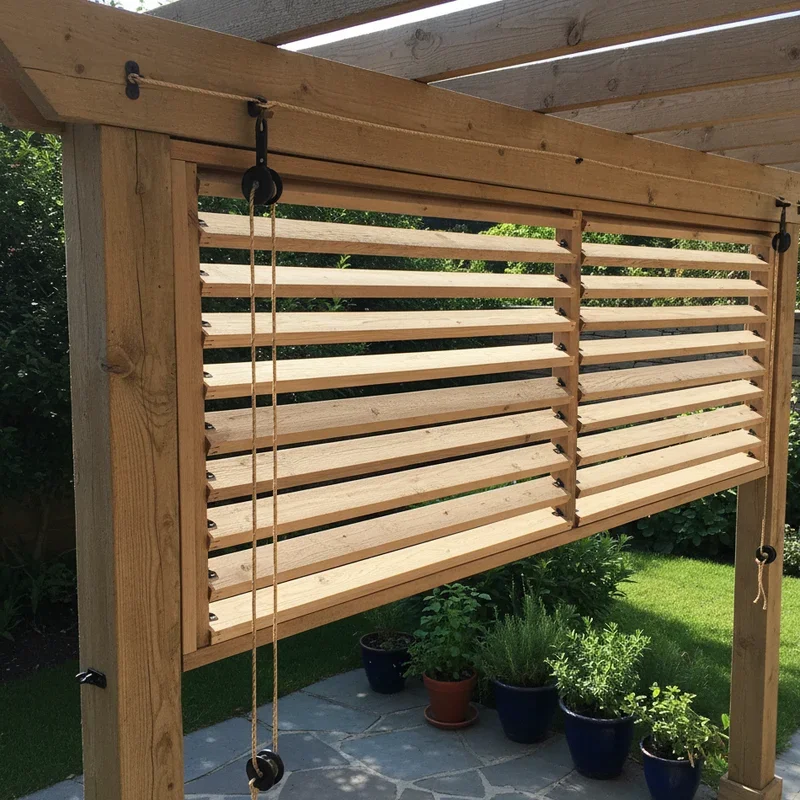
13. Adjustable Louvered Awning
Construct a sophisticated louvered awning with adjustable slats allowing precise sunlight control throughout the day! This advanced project creates rotating horizontal slats that pivot open for full sun or close for maximum shade. The mechanical advantage means adapting coverage as the sun moves without constantly adjusting fabric or moving furniture. Build the frame using treated lumber with slats mounted on rotating pins operated via a simple rod or crank mechanism. This restaurant-patio style awning brings commercial-grade functionality to residential spaces with surprising affordability when DIY-built. The louvered design allows rain to shed when closed while maintaining airflow preventing that hot, stuffy feeling. Paint slats in alternating colors creating striking visual effects when partially open. Your adjustable awning delivers unmatched flexibility and sophisticated mechanical appeal!
14. Galvanized Steel Wave Awning
Design a dramatic wave-shaped awning using flexible galvanized steel sheeting creating sculptural shade that doubles as outdoor art! This contemporary option makes bold architectural statements while providing excellent weather protection and durability. The undulating form sheds water efficiently while creating dynamic shadows and visual interest impossible with flat awnings. Work with thin-gauge steel that bends relatively easily, shaping it over curved forms before mounting to supporting structure. The metallic finish develops beautiful patina over time, adding character and evolving aesthetics season by season. This challenging project suits confident DIYers willing to tackle metal fabrication and creative structural engineering. The result? An absolutely unique awning guaranteed to wow guests and neighbors alike. Your wave awning proves functional elements can be genuine works of outdoor sculpture!
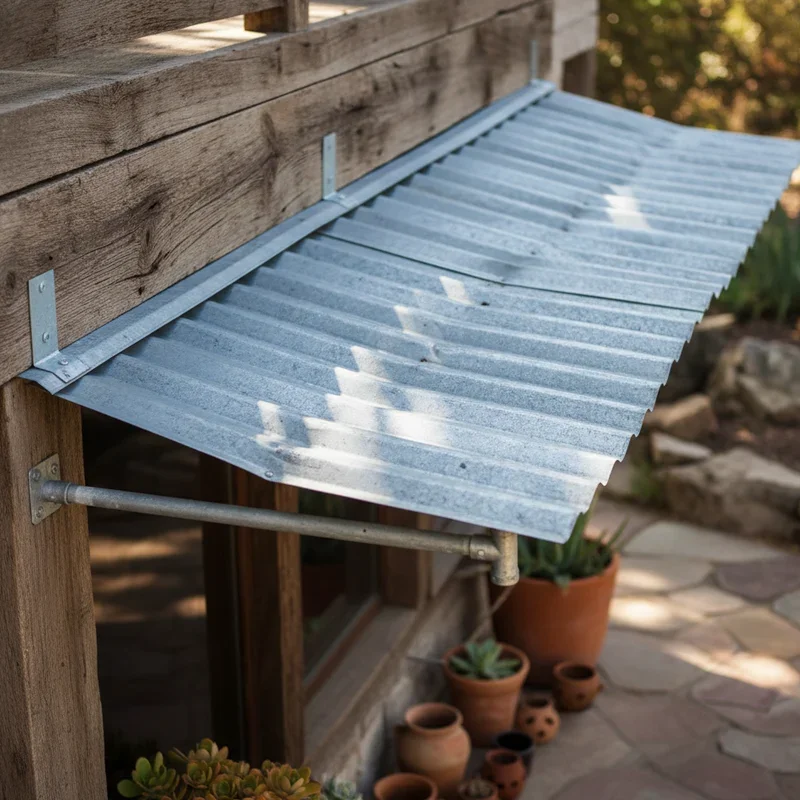
15. Multi-Panel Fabric Awning
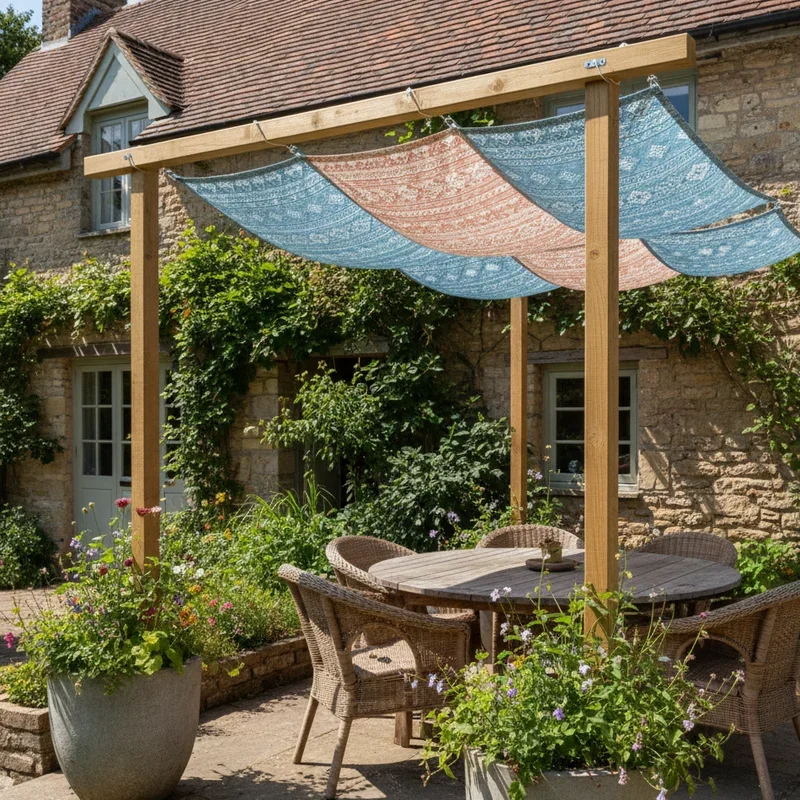
Create a versatile multi-panel fabric awning allowing you to configure coverage based on weather, sun position, and entertaining needs! This modular system uses separate fabric panels that attach independently to overhead framework using hooks, snaps, or Velcro. The genius lies in customization; use one panel for light shade, multiple panels for full coverage, or remove them entirely on perfect weather days. Mix fabric colors and patterns creating dynamic, personalized looks that reflect your style and mood. This approach particularly suits large spaces where single-piece awnings would be unwieldy or difficult to manage. Store unused panels during harsh weather extending fabric life and reducing maintenance hassles. The panels wash easily, allowing you to refresh your outdoor space with simple cleaning. Your multi-panel system delivers unmatched flexibility and style!
Conclusion
DIY awnings prove that creating comfortable, stylish outdoor spaces doesn't require professional installation or massive budgets! These 15 ideas demonstrate how creativity, basic materials, and weekend effort transform exposed areas into shaded retreats. Whether you choose simple fabric solutions or ambitious structural projects, the perfect awning awaits your personal touch. Grab your tools, pick your favorite design, and start building the outdoor oasis you've been dreaming about all winter long!
Read next: 15 Budget DIY Backyard Shade Ideas to Try
Frequently Asked Questions
Q1: What's the most budget-friendly DIY awning option?
Canvas drop cloth or PVC pipe awnings cost under $100 using readily available materials from hardware stores.
Q2: How do I choose the right awning for my space?
Consider sun angles, weather exposure, space size, and architectural style when selecting your ideal awning design.
Q3: Do DIY awnings require building permits?
Temporary or freestanding awnings typically don't, but permanent structures attached to homes may require local permits.
Q4: How long do DIY fabric awnings typically last?
Quality outdoor fabric lasts 3-7 years with proper care, while treated canvas may last 5-10 years.
Q5: Can I install awnings on rental properties?
Yes! Choose non-permanent options like freestanding structures or tension systems requiring minimal wall attachment for renters.
Stay up to date with our latest ideas!