How to Handle Overhanging Branches and Tree Disputes with Neighbors Safely and Legally
Learn how to handle overhanging branches and tree disputes with neighbors safely and legally, including property rights, communication, pruning, and liability.

Trees growing on a neighbor's property are a common source of dispute between neighbors. The configuration of property lines can be particularly annoying in this situation, since there's little doubt who owns which tree, but the problem is all on your side. Before we answer the question that starts most of these conversations ('Whose tree is overhanging my property!?'), let's make sure we're all clear on what an overhanging tree is in the eyes of the law. It's a tree. And it's overhanging. Simple, right?
What you're actually allowed to cut
Based on the common law nuisance principles that New Zealand inherited from England, you can automatically cut back roots, trees, branches, or vines that encroach over a boundary without needing to ask permission. This is because the offending piece of vegetation is considered to be a nuisance affecting your property.
The same principle also applies in reverse. If a tree on your other neighbour's property poses a danger to your land or buildings (overhanging branches or encroaching roots that are likely to cause damage in the future would be common examples of this), then the owner of the tree has a responsibility to take action. If they don't, you'll generally have the right to clear the vegetation yourself and reclaim any costs that you've incurred from your neighbour.
Again, the key to remember is that this is technically a right. If a tree is causing damage to your property, don't just make like a tree... and leave. But also don't just get out the chainsaw and go Edward Scissorhands on it. If you exacerbate the problem and make a court decide you've gone beyond a reasonable boundary trim, you're on the hook for the tree. They actually hire arborists to calculate tree value in such cases, and you don't get a 'the emotional distress of the chainsaw massacre' deduction.
When a branch stops being cosmetic and starts being dangerous
Now, not every overhanging limb is a crisis. Some are just untidy. Others are a genuine risk, and knowing the difference matters because it changes how fast you need to move and who needs to be involved.
Watch for these signs:
Cracked branch unions or splits when a limb meets the trunk
Significant deadwood, especially in the upper canopy
A tree leaning noticeably more than it used to, particularly after wet weather
Fungal growth at the base, which often signals root or trunk decay
Bark that's peeling or missing in patches on major limbs
If you spot any of these, this isn't a "get to it eventually" situation. Falling trees and limbs cause close to a billion dollars in property damage every year in the US alone and a huge share of that is preventable with earlier action. A hazardous branch over a shared fence line, a driveway, or a neighbor's roof is a duty of care issue, not a boundary dispute. The tree's owner is responsible for maintaining it so it doesn't cause harm, and ignoring an obvious hazard after being told about it can expose them to liability if something eventually gives way.
Get the work done properly, not just done
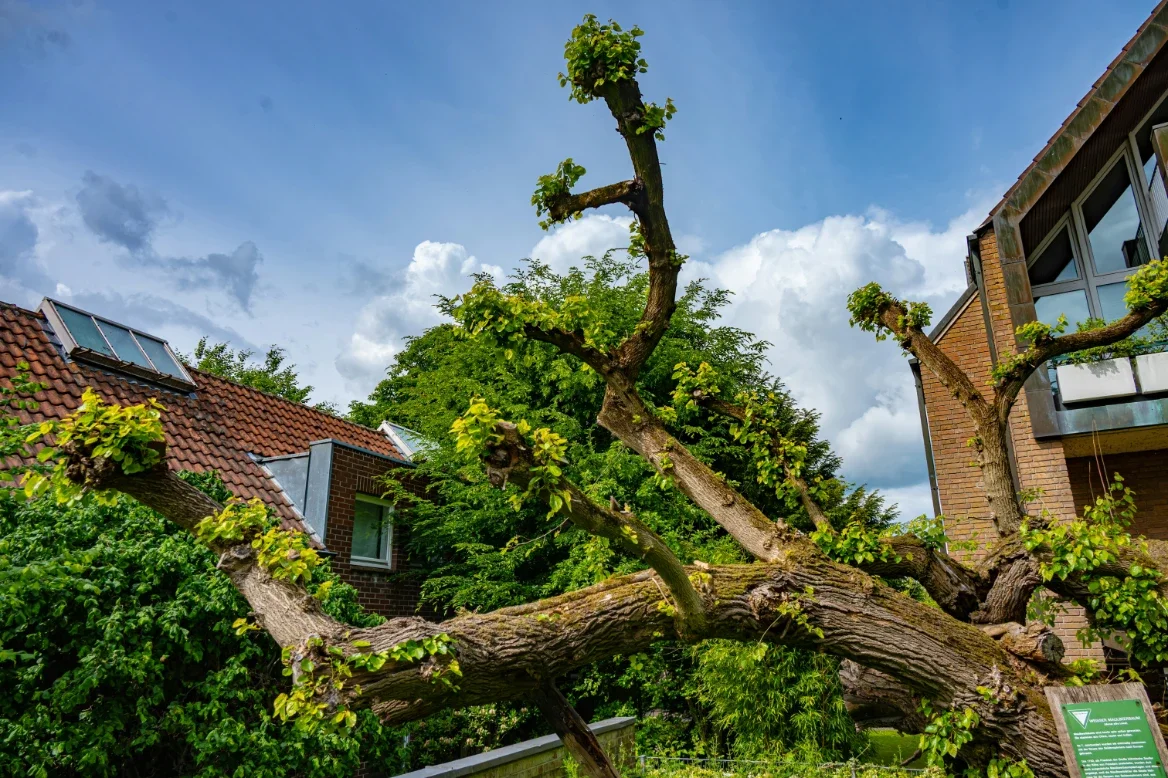
The difference between "pruning" and "lopping" actually matters and goes beyond word choice. Pruning requires cuts in the right places on the branch so that the tree can heal and continue to grow healthily. Lopping, also known as topping, involves the removal of large portions of the tree without considering the specific points of cutting for healthy healing and regrowth of the tree. Topping may make the tree look how you want it to look in the short term, but it makes the tree susceptible to rot and disease in the long term. The regrowth will be weak and will be more likely to snap off in a few years, leaving you with little option but to get rid of the weakened stub anyway. Topping also looks dreadful for years.
This is why pruning is considered an art. The smaller the wound, the faster and easier it is for the tree to compartmentalize the wound and the less exposed wood the tree is leaving. An exposed wound is an open invitation to bugs and disease, and a tree that's trying to compartmentalize tons of open wounds is a tree that's using up a lot of energy just to get by.
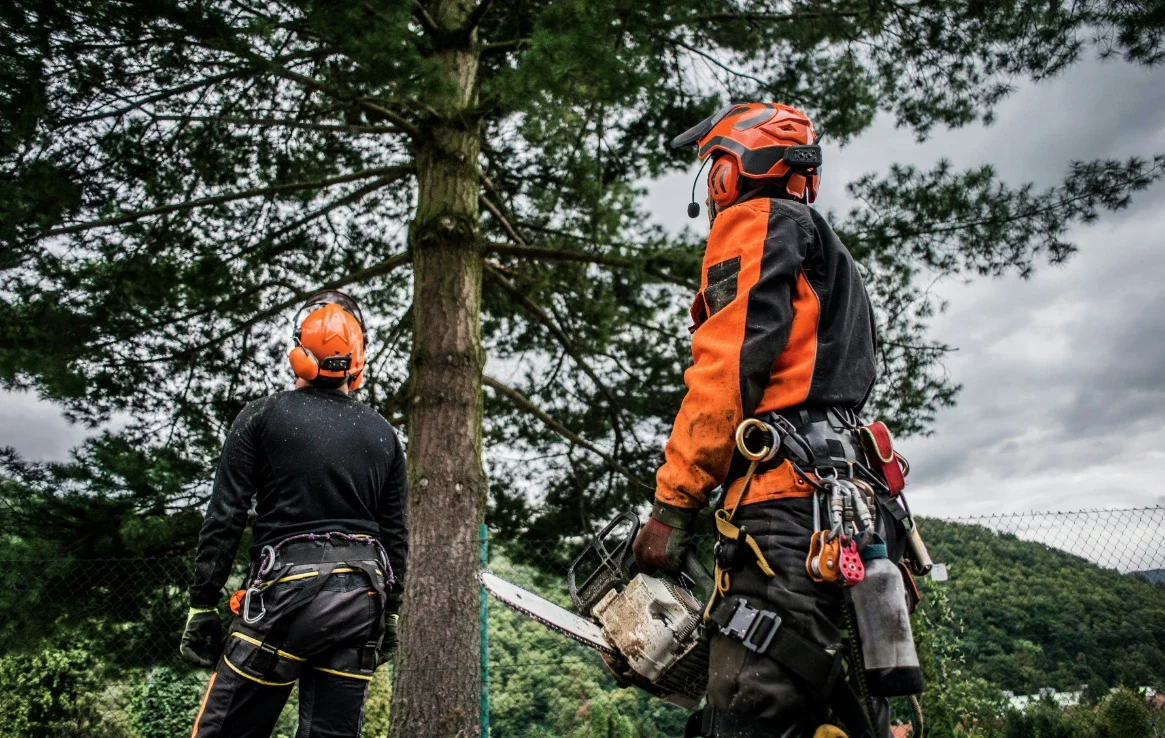
And this is also why DIY is a genuinely bad idea if the tree is tall, heavy, near powerlines, or near anything you care about like your garage, in addition to being risky. Every year, people are injured by falling branches, falling off ladders, or both. And if you mess with powerlines, you're not just risking your life, you're risking prosecution - it's illegal to clear trees from powerlines or substations with anything but approved machinery and personnel for safety reasons. If you're dealing with a larger tree or anything with structural risk, bringing in a certified crew for tree lopping ipswich gets the job assessed and handled properly on your side of the boundary, with the cuts made correctly instead of hacked back in a way that creates more problems later. Small trees are relatively easy to replace compared to a garage and your insurance rates.
Check before you cut: council rules and protection orders
Make sure to check if a tree is protected by a local tree protection order or council overlay before you cut a single branch. These rules are designed to prevent unauthorized removal or heavy pruning of important trees, and they stand whether the property the tree is on is owned by you or someone else. In many places, you'll need permission to trim even overhanging branches from your own tree if it's protected, and flouting the rules could land you a hefty penalty.
It's the step most people skip, assuming that if "it's on my side of the fence" that's the end of it. But a fast phone call or search of your local council's planning portal will confirm in minutes whether a specific tree is protected. If it is, you must obtain written consent before making any but the most cursory of trims.
The step-by-step way to resolve it without a fight
It's best to first have a friendly conversation with your neighbor. Many disputes can be resolved this way as a lot of the time the offending tree's owner doesn't even know there's a problem. If that doesn't work, send your neighbor a letter or email outlining the problem, your proposed solution, and timeframe. Keep a copy for yourself. Make a realistic effort to work out a solution together and if you reach an agreement, get it in writing, dated and signed by both of you. If they refuse to pay, you can keep the letter as evidence if you end up in court. In the event things do go that far, remember photographs, arborist reports, and quotes can all be used as evidence. Make sure you've done your due diligence and keep evidence of that as well. Also, check local bylaws before cutting anything - you could be required to get permission or a permit to remove any part of the tree.
Who pays when a branch causes damage
There is a clear divide between an overhanging branch and one that has already caused damage. If a branch hangs over the fence and has not caused any damage, the onus is on the affected party to trim it back - you can do so at your own expense, and without the tree owner having to do anything.
It's the other way around once damage is done. If a branch has fallen and cracked a roof, blocked a gutter and caused water damage, or taken down a fence, it's usually the tree owner's insurance that pays out, especially if they were previously put on notice that the branch was a risk and failed to take action. This is why documentation is so important - a letter you wrote to a neighbor, days before an obviously cracked limb came down, becomes very handy proof if that limb came down six months later.
Don't set foot on their side
This rule causes the most confusion: you mustn't enter your neighbour's property to cut back overhanging branches, even if it's their tree that's causing the problem and you're only taking off what's on your side. That's trespass, no argument, no matter how good your motives. If you do genuinely need to get onto your neighbour's property to cut back branches that overhang your land, or to carry out similar work, get their permission in advance. A simple note containing the sentence: 'I hereby give you permission to enter my property on (give the specific date) to cut back the overhanging branches of your (description of tree) that are affecting my property', which you then sign and date, should avoid any subsequent disputes about what was or wasn't agreed.
The same logic applies to cut material. Once you've trimmed back to the boundary, keep the offcuts on your own property. Tossing branches back over the fence, even as a joke, has started more disputes than the original overhanging limb ever did.
The practical bottom line
Many tree arguments escalate because things happen out of order, not because the rules are fuzzy. Warn your neighbor in writing before you do any cutting. Call in a certified arborist for anything beyond a small, low-hanging branch. Find out if any protection rules apply before you fire up the saw. And after you've made the cut, keep the trash - and the peace - on your side of the property line.
Stay up to date with our latest ideas!