15 DIY Apron Ideas Perfect for Cooking or Crafting
Create stunning DIY aprons with 15 creative ideas! From no-sew designs to vintage styles, craft perfect protection for cooking or crafting.
Why settle for boring store-bought aprons when you can create personalized protective wear that makes kitchen time or craft sessions feel like fashion moments? DIY aprons represent one of sewing's most satisfying projects: useful results from accessible skills that transform ordinary fabric into functional art! These versatile garments protect your favorite clothes from splattering sauces, paint splotches, and crafting chaos while adding personality to your creative endeavors. Think of an apron as your uniform for making magic happen, whether that magic involves sourdough bread, watercolor paintings, or pottery glazing. The beauty of handmade aprons lies in complete customization: fabrics reflecting your personality, pockets positioned exactly where you need them, and styles that actually fit your body rather than generic one-size-attempts-to-fit-all approaches. From no-sew projects perfect for complete beginners to tailored designs challenging experienced sewers, apron making welcomes everyone willing to try. Ready to discover how fabric and creativity combine into protective garments that make messy activities more enjoyable? Let's explore these inspiring ideas!
1. Classic Full Coverage Bib Aprons
Master the foundational apron style through classic bib designs that provide maximum protection while establishing essential sewing skills! These traditional aprons feature chest-covering bibs attached to skirt portions that wrap around bodies, protecting everything from neckline to knees. The pattern requires basic rectangular shapes that even beginners can cut and assemble successfully. Add neck loops and waist ties using the same fabric or contrasting materials for visual interest. Pockets at hip level keep essential tools within reach while cooking or crafting. These versatile designs suit any fabric choice from cheerful prints to sophisticated solids. The full coverage particularly benefits bakers, painters, and anyone whose activities generate mess at multiple levels simultaneously.
2. No-Sew Dish Towel Conversions
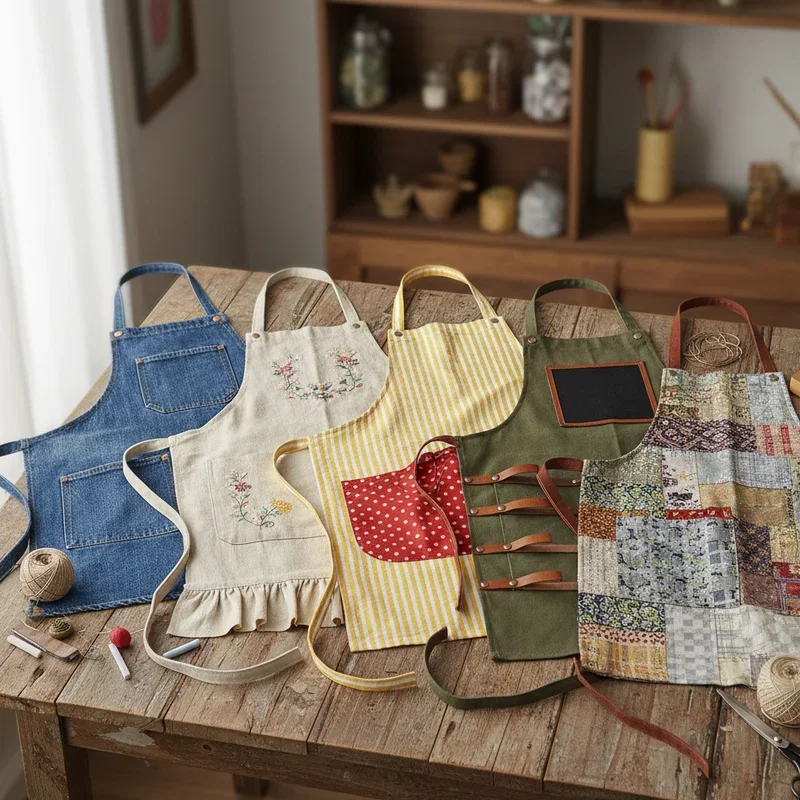
Create instant aprons without threading a single needle through clever dish towel conversion techniques! Standard kitchen towels already feature finished edges, eliminating hemming requirements that intimidate sewing beginners. Attach ribbon or fabric strips at corners using fabric glue, creating ties that transform simple towels into functional waist aprons within minutes. Choose decorative towels featuring patterns you love, knowing they'll become wearable accessories rather than hidden kitchen workhorses. Consider adding iron-on pockets for tool storage without sewing machine requirements. These accessible projects suit absolute beginners while producing genuinely useful results immediately. The technique also enables quick gift creation using recipients' favorite colors or themes. Stock up on attractive towels when sales appear, building apron-making supply collections affordably.
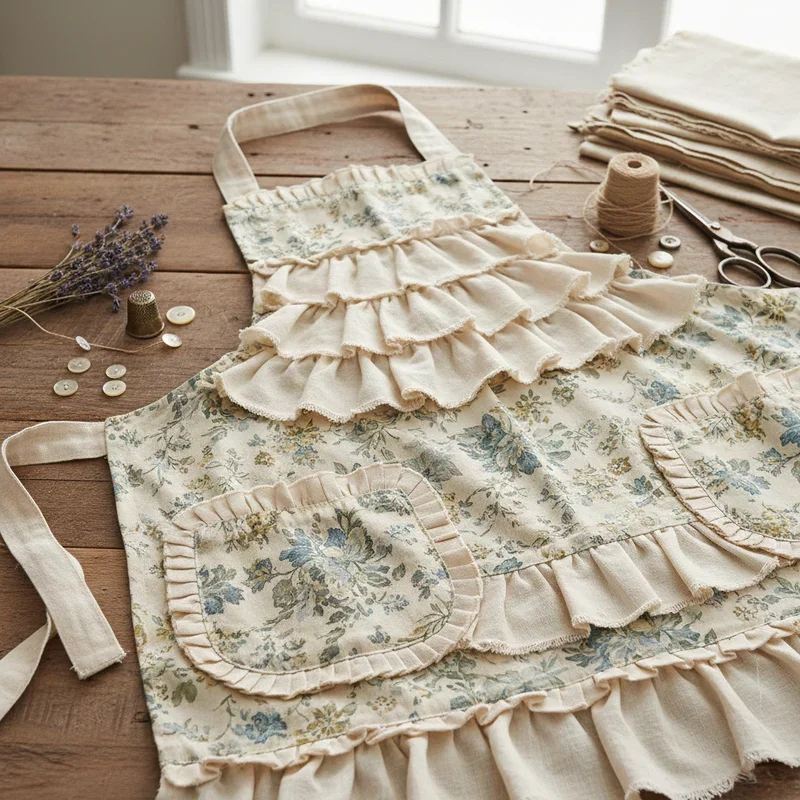
3. Vintage-Style Ruffled Designs
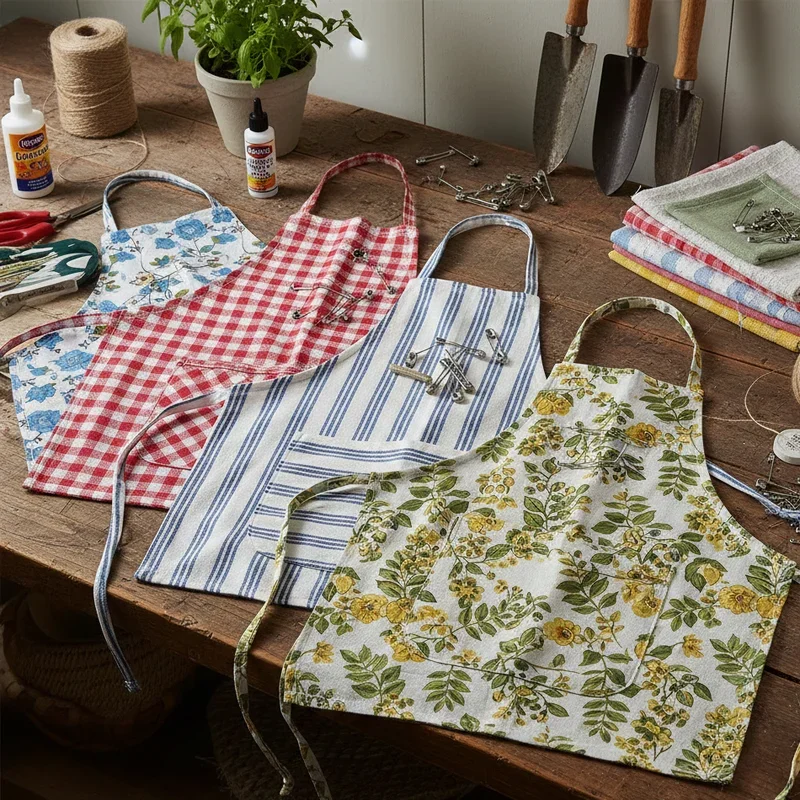
Channel nostalgic charm through ruffled aprons that celebrate feminine aesthetics while providing practical protection! These romantic designs feature gathered fabric tiers, decorative edging, and often incorporate rickrack, lace, or other vintage-inspired trims. The construction teaches gathering techniques that transfer to countless other sewing projects. Choose cotton prints reminiscent of 1950s housewife glamour or reinterpret vintage styles with modern fabric selections. These aprons particularly suit gift-giving occasions where presentation matters as much as functionality. The substantial presence of ruffled designs makes wearing them feel special rather than merely practical. Consider vintage apron patterns from library archives or online collections for authentic period designs. These decorative aprons photograph beautifully, making them popular for social media content creation.
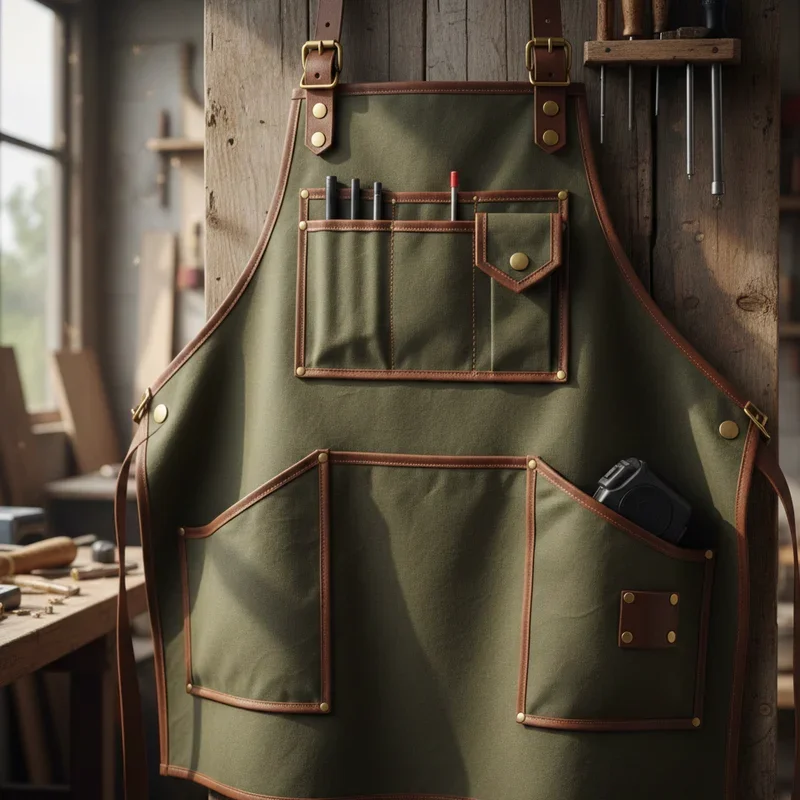
4. Utility Pocket Workshop Aprons
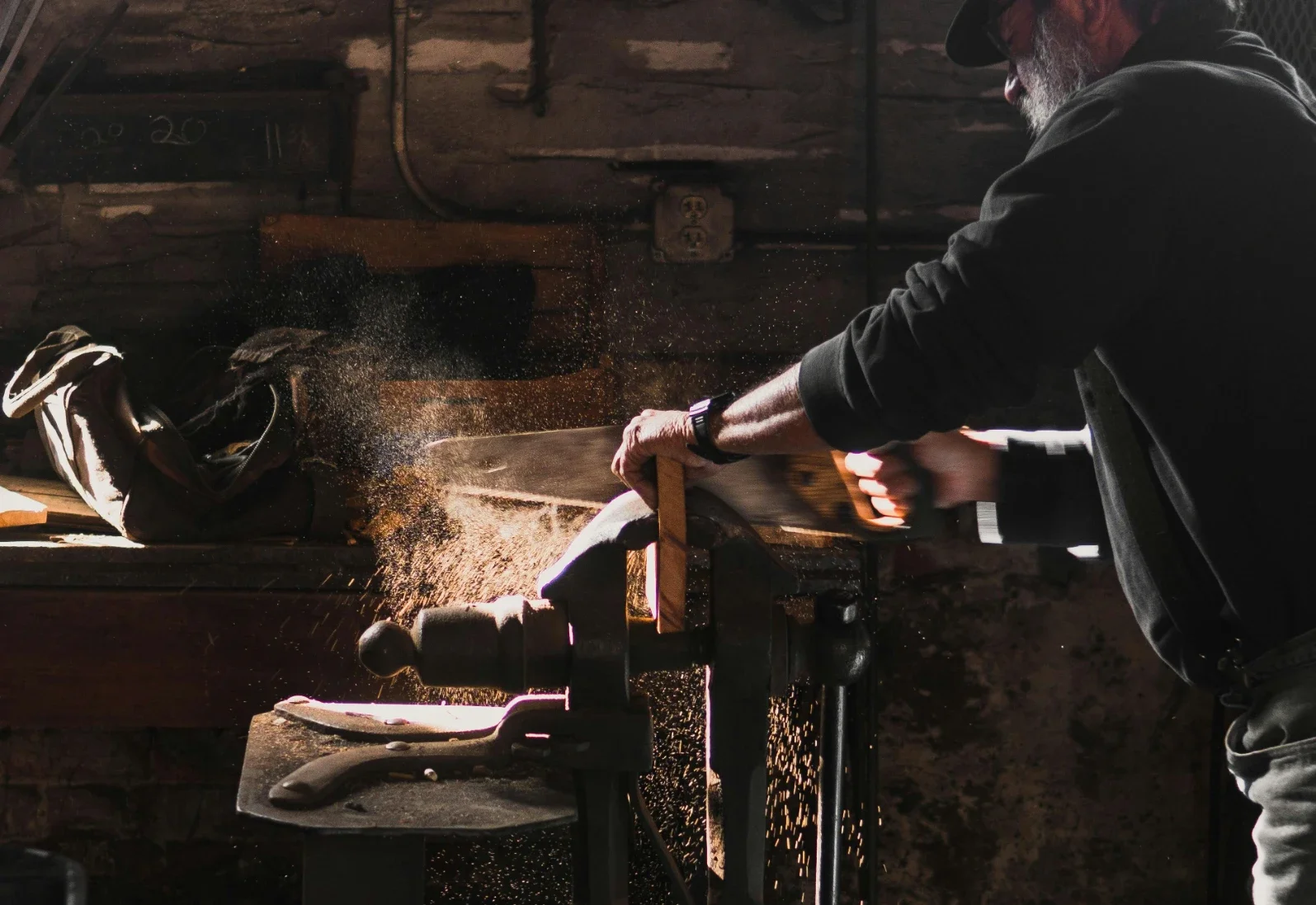
Build serious protection through utility aprons designed specifically for workshop, crafting, and heavy-duty applications! These substantial garments feature multiple pockets sized for specific tools, reinforced construction withstanding rough use, and often extend lower than kitchen alternatives for additional coverage. Canvas and denim fabrics provide durability that lighter materials cannot match in demanding environments. Consider specialized pocket configurations: narrow sleeves for pencils and brushes, wider pouches for hand tools, and divided sections for small hardware organization. Adjustable straps accommodate various body types while enabling positioning adjustments as activities change. These functional aprons suit woodworkers, painters, potters, and anyone whose creative pursuits involve heavy materials and potential mess.
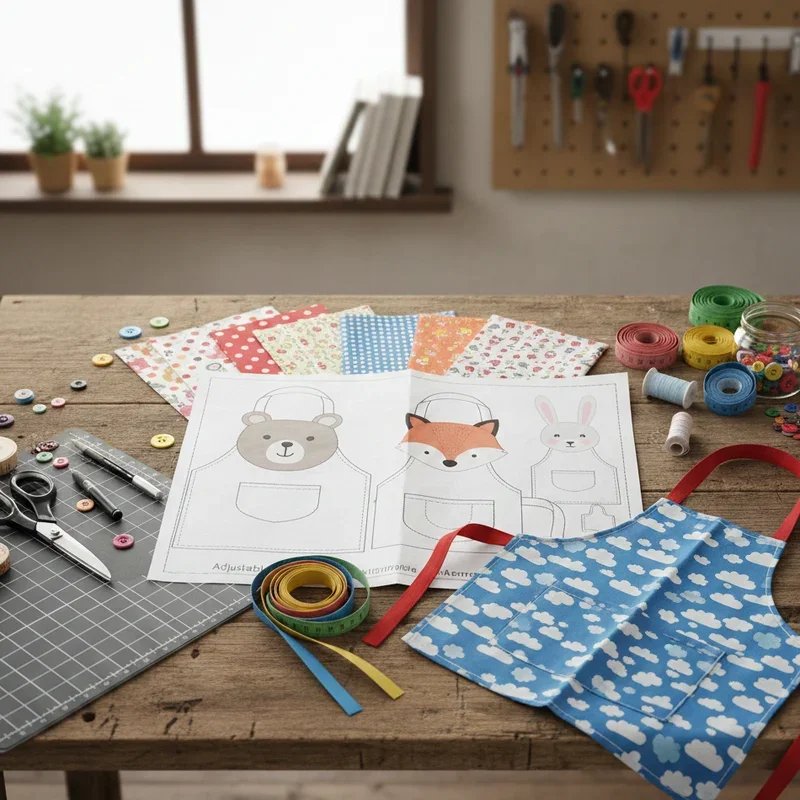
5. Adjustable Children's Apron Patterns
Extend crafting memories through children's aprons that grow with young helpers through adjustable designs! Standard children's apron patterns become obsolete quickly as kids grow, but adjustable features enable extended usefulness. Button-positioned straps, tie closures instead of fixed loops, and generous seam allowances for future letting-out extend garment lifespans significantly. Choose washable, durable fabrics that withstand the enthusiastic messes children generate during cooking and crafting adventures. Consider making aprons slightly large initially, allowing growing room that fitted alternatives lack. Pocket additions keep young helpers organized while adding skill-building construction challenges. These projects make wonderful grandparent-grandchild sewing activities where experienced hands guide developing skills. The resulting aprons carry sentimental value beyond mere functionality.
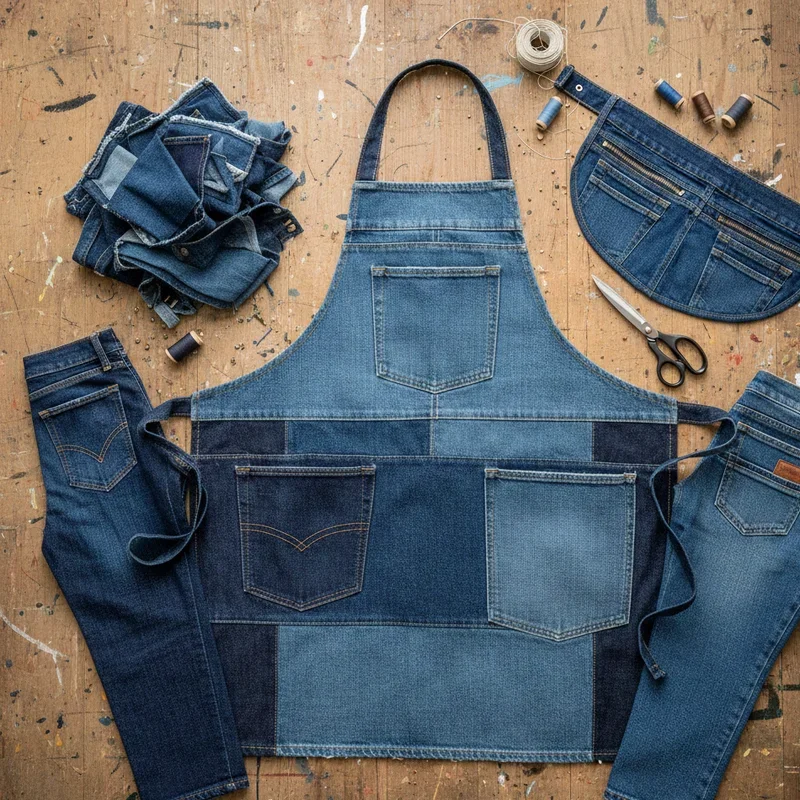
6. Denim Upcycled Jean Aprons
Transform worn jeans into rugged aprons that repurpose beloved denim while creating durable protective garments! Old jeans already feature functional pockets, sturdy waistbands, and broken-in softness that new fabric cannot replicate. Cut away legs and seats while preserving front panels, waistbands, and pocket configurations. Add straps connecting waistband ends around necks while existing button closures provide waist fastening. The familiar jean aesthetic suits casual kitchen and workshop environments where refined fabrics would feel inappropriate. Each upcycled apron carries history from its previous life, adding sentimental value that new materials lack entirely. This sustainable approach appeals to environmentally conscious crafters who appreciate giving worn clothing beautiful new purposes.
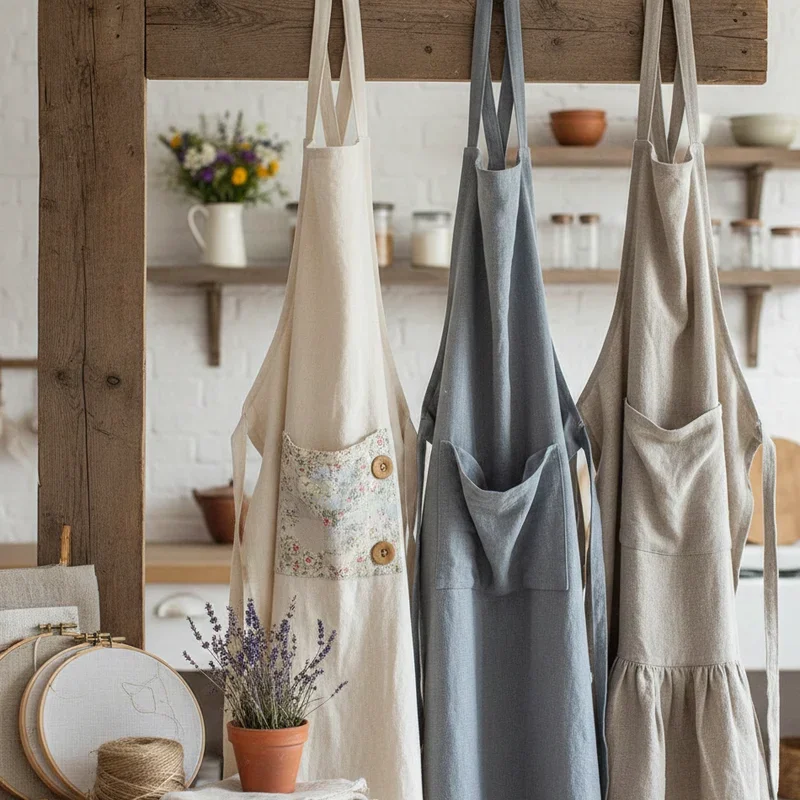
7. Japanese Cross-Back Styles
Discover comfortable alternatives to traditional ties through Japanese cross-back aprons that eliminate neck strain while staying securely positioned! These ingenious designs feature straps that cross in back and attach at opposite waist sides, distributing weight across shoulders rather than pulling at necks. The construction creates naturally flattering silhouettes while providing genuine comfort during extended wear. Linen and cotton fabrics suit these minimalist designs that celebrate simplicity over ornamentation. The pattern requires more careful cutting than basic styles but rewards effort with superior wearing experience. These aprons particularly suit professional cooks, artists, and anyone wearing protective garments for extended periods. The elegant simplicity photographs beautifully while functioning exceptionally.
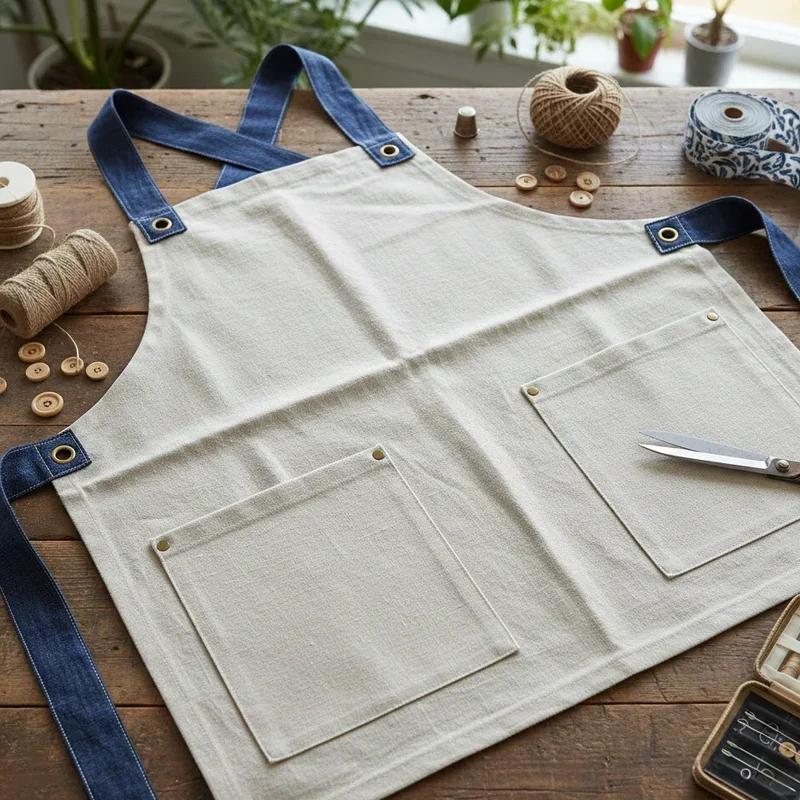
8. Half Waist Cafe Aprons
Create versatile lower-body protection through half aprons that provide essential coverage while maintaining freedom that full aprons restrict! These waist-down designs skip bib portions entirely, covering only from waist to knees while leaving upper bodies unrestricted. The simpler construction suits beginners while producing genuinely useful garments quickly. Consider various lengths from short cocktail-style to longer bistro versions depending on protection requirements. Pockets become especially important in waist aprons since no bib pocket exists for tool storage. These casual aprons suit light cooking tasks, serving duties, and crafting activities that don't threaten upper-body clothing. The quick construction enables making multiple versions in different fabrics for varied activities and moods.
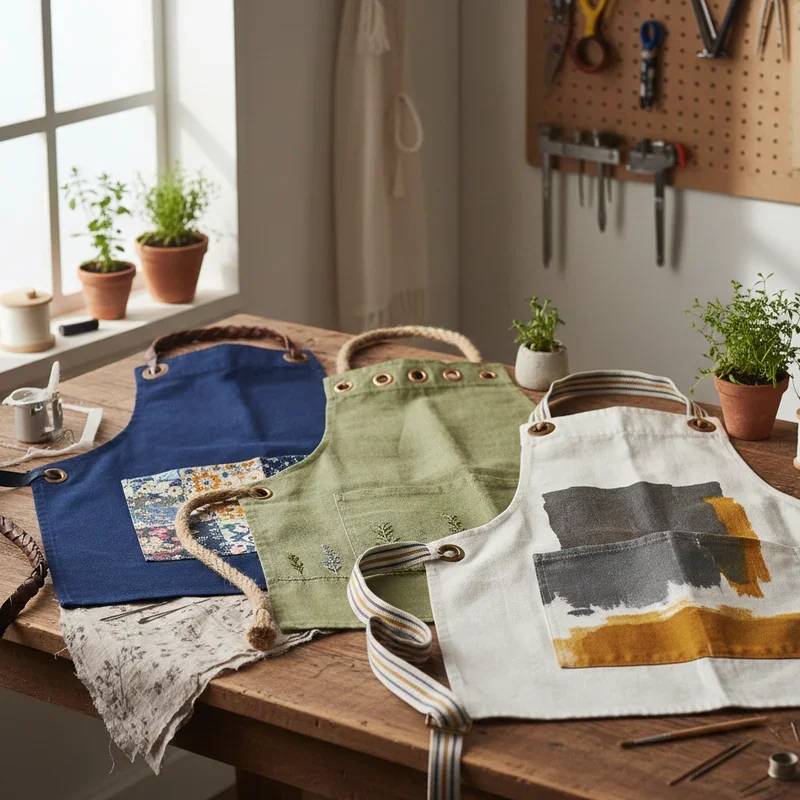
9. Artist Smock Apron Hybrids
Combine apron protection with smock coverage through hybrid designs that shield arms and torsos from creative messes! These expanded garments feature sleeves or sleeve-like extensions that protect forearms from paint splatters, clay stains, and other artistic hazards. The design suits painters, potters, dyers, and anyone whose creative processes threaten entire outfits rather than just fronts. Loose construction enables pulling over existing clothing while providing genuine protection. Consider water-resistant or stain-resistant fabric treatments for activities involving particularly messy materials. These specialized aprons demonstrate how basic patterns adapt to specific activity requirements through thoughtful modification. The extra coverage particularly benefits children whose enthusiasm often exceeds their coordination during creative activities.
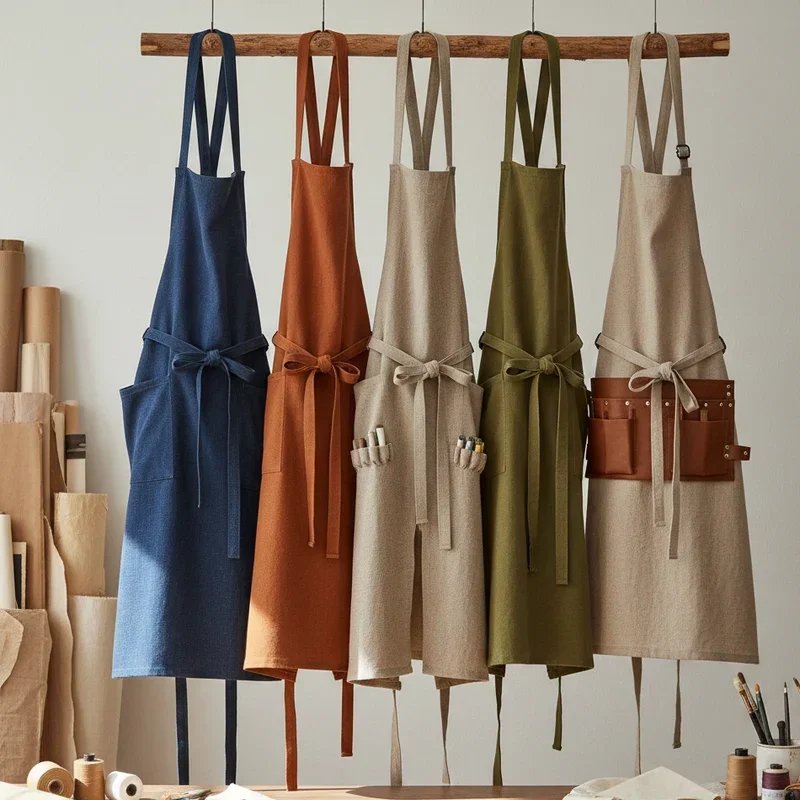
10. Personalized Monogram Designs
Add custom touches through monogrammed aprons that transform functional garments into personalized accessories! Monograms applied through embroidery, appliqué, or heat transfer vinyl distinguish your aprons from generic alternatives while making excellent personalized gifts. Position monograms on bib centers, pockets, or skirt portions depending on design preferences and visibility desires. Consider font styles matching recipient personalities: elegant scripts for traditional aesthetics, bold blocks for contemporary vibes, or whimsical lettering for playful characters. These personalization techniques transfer to other sewing projects once mastered. Matching monogrammed aprons make thoughtful wedding, housewarming, or hostess gifts that demonstrate genuine creative investment. The custom touches elevate simple protective garments into treasured personal accessories.
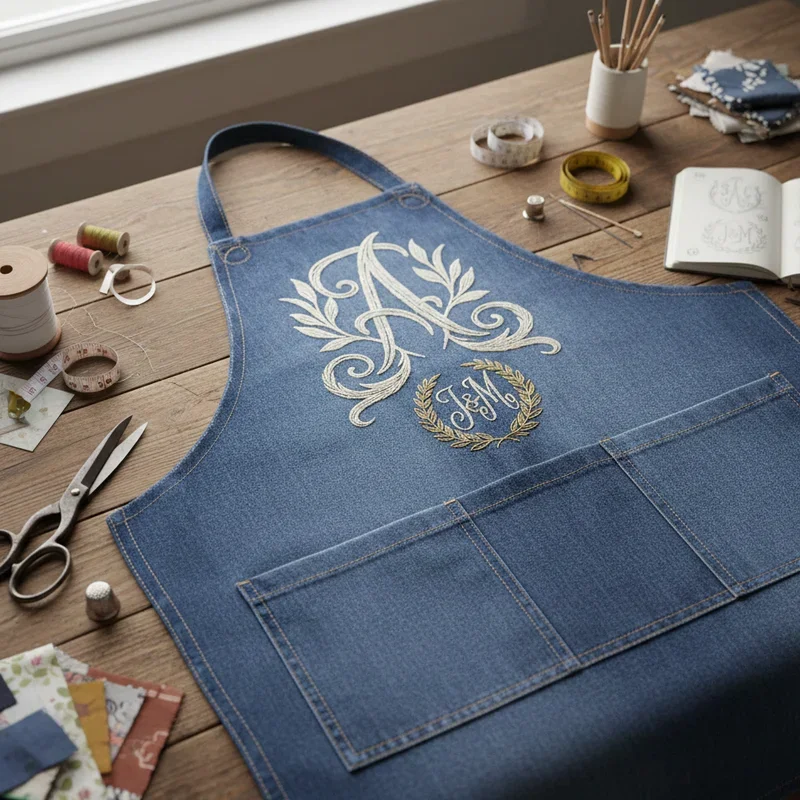
11. Reversible Two-Pattern Aprons
Double your style options through reversible aprons featuring different patterns on each side for mood-matching versatility! These clever designs require constructing two complete aprons, then joining them back-to-back creating single garments with dual personalities. Choose complementary fabrics that create interesting combinations when both sides peek at edges. The additional layers provide extra protection while enabling switching between patterns without changing garments. Consider seasonal combinations: spring florals reversing to summer brights, or holiday prints reversing to everyday basics. These intermediate projects teach techniques for enclosing seams cleanly between layers. The double-fabric construction creates substantial aprons that feel more luxurious than single-layer alternatives.

12. Oilcloth Waterproof Versions
Create genuinely waterproof protection through oilcloth aprons that repel liquids rather than absorbing them! This specialty fabric features vinyl coating that prevents moisture penetration, making it ideal for dishwashing, bathing children, or any water-intensive activities. The material requires modified sewing techniques: longer stitches prevent perforation damage, and pins must stay within seam allowances avoiding visible holes. Consider oilcloth aprons for potters working with wet clay, gardeners handling muddy harvests, or anyone whose activities involve substantial liquid exposure. Clean oilcloth aprons simply by wiping rather than washing, extending lifespan while reducing laundry requirements. These specialized aprons demonstrate how fabric selection adapts basic patterns to specific functional requirements beyond mere aesthetic preferences.
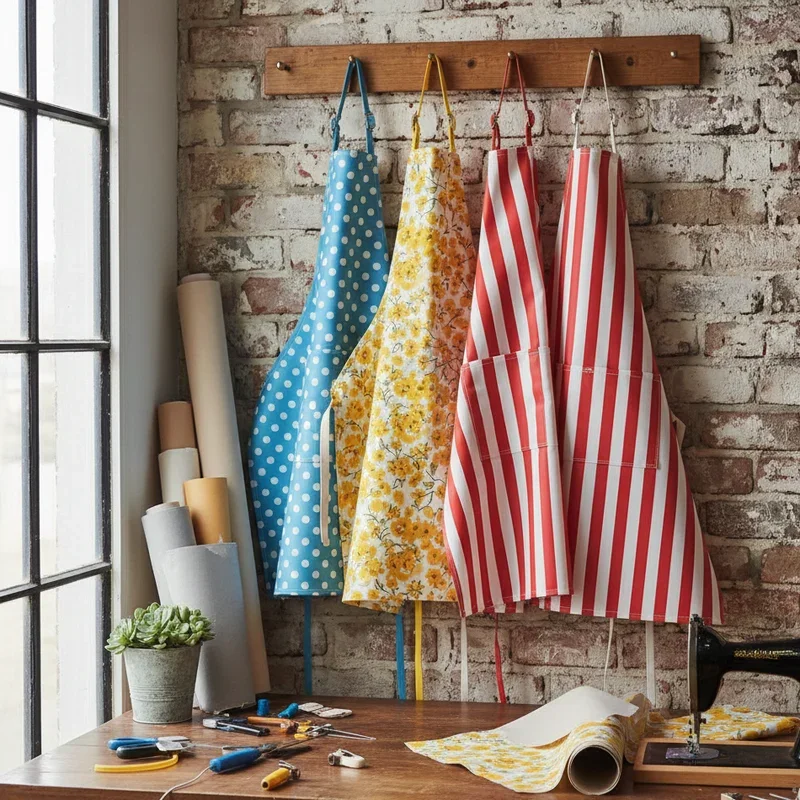
13. Linen Farmhouse Style Aprons
Embrace natural elegance through linen aprons that bring farmhouse aesthetics while becoming softer and more beautiful with every wash! Linen's natural texture and drape create sophisticated aprons that elevate kitchen time beyond basic utility. The fabric's durability actually increases with laundering, unlike cotton alternatives that wear thin over time. Choose natural, undyed linen for authentic farmhouse aesthetic or soft colors for personalized interpretations. These substantial aprons develop beautiful character through years of use, becoming treasured kitchen companions rather than disposable protective wear. Consider simple designs that showcase fabric beauty rather than elaborate constructions that distract from material qualities. The investment in quality linen rewards through decades of increasingly comfortable wear.
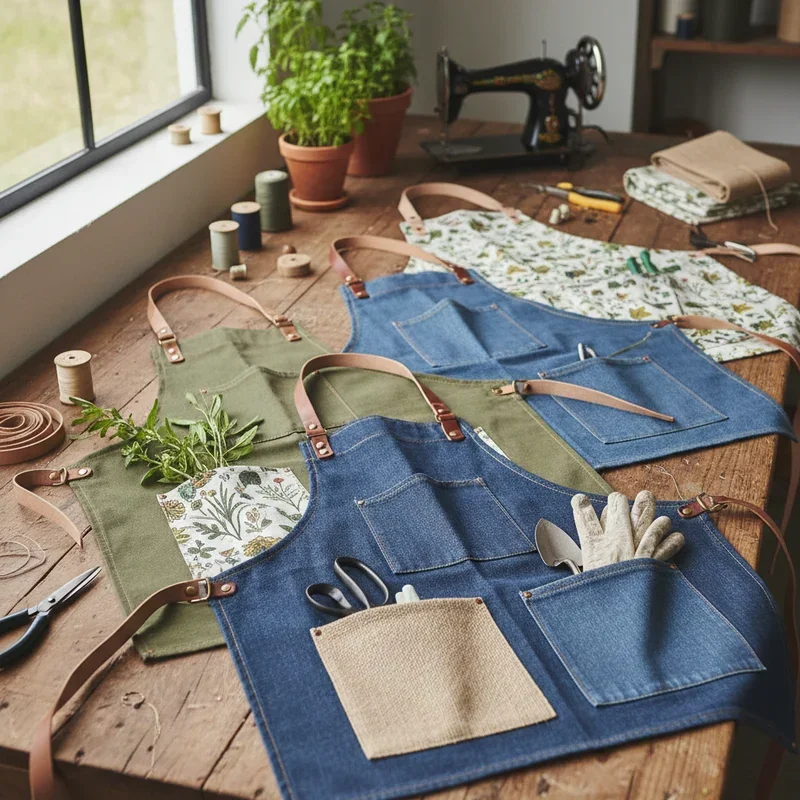
14. Pocketed Gardening Aprons
Design specialized protection for outdoor activities through gardening aprons featuring pocket configurations perfect for horticultural pursuits! These purpose-built designs include deep pockets for harvested vegetables, narrow slots for pruning shears, and divided sections for seed packets and small tools. Water-resistant fabrics protect against dew, irrigation splashes, and general garden moisture. Consider wrap-around designs that protect sides as well as fronts during bending and reaching activities. Extended lengths protect thighs from kneeling on damp ground. These specialized aprons demonstrate how understanding specific activity requirements guides design decisions beyond generic patterns. The organized pocket system actually improves gardening efficiency by keeping tools accessible throughout outdoor sessions.
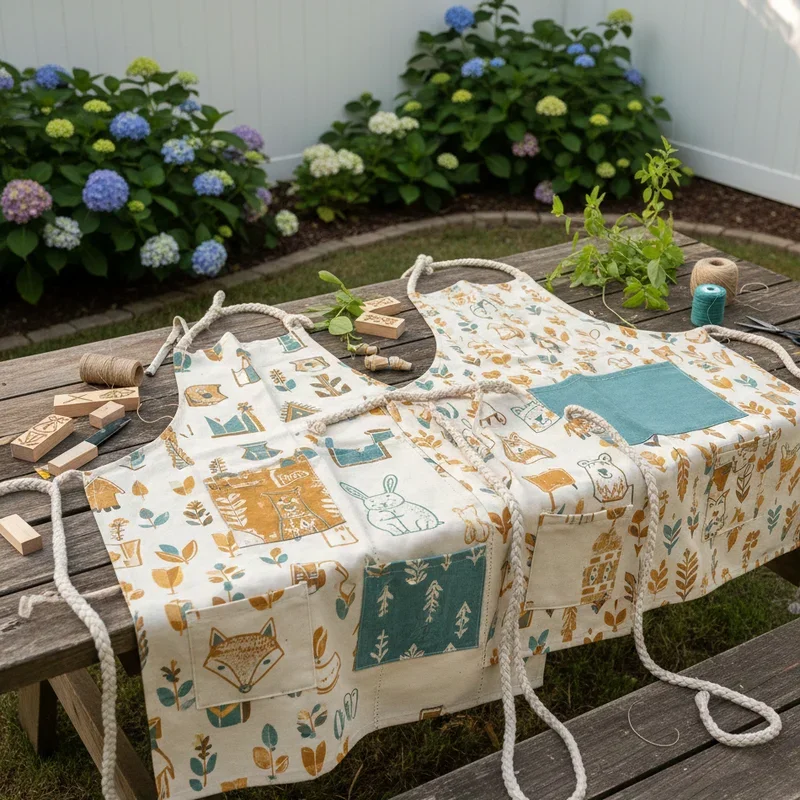
15. Matching Set Family Aprons
Create coordinated kitchen experiences through matching family apron sets that make cooking together feel like special occasions! Design scaled versions of single patterns fitting various family members from toddlers through adults. Coordinate fabrics while allowing individual variations: perhaps matching prints in different colorways or complementary patterns that work together visually. These sets make meaningful family gifts for holidays, housewarmings, or new baby welcomes. The shared wearing experience creates memories beyond practical protection. Consider photographing family cooking sessions while wearing coordinated aprons for keepsake images capturing special moments. These projects require more planning and fabric than individual aprons but reward effort with genuinely meaningful family keepsakes.
Conclusion
DIY aprons transform protective necessity into creative expression, producing garments that reflect personal style while keeping favorite clothes safe from kitchen and crafting chaos. From simple dish towel conversions to tailored cross-back designs, these projects span every skill level while delivering results that outshine store-bought alternatives in both fit and personality. The satisfaction of wearing something your own hands created adds meaning to cooking and crafting sessions that purchased aprons cannot provide. Whether protecting yourself during ambitious baking projects or keeping paint off clothes during artistic adventures, handmade aprons serve beautifully. Now gather your fabric and start creating the protective wear your creative life deserves!
Frequently Asked Questions
Q1: What fabric works best for DIY aprons?
A: Cotton offers versatility, canvas provides durability, linen ages beautifully, and oilcloth delivers waterproof protection.
Q2: How much fabric do I need for a standard bib apron?
A: Plan approximately 1.5 yards for adult bib aprons; children's versions require approximately one yard typically.
Q3: Can I make aprons without a sewing machine?
A: Yes, hand-sewing, fabric glue, and no-sew techniques like dish towel conversions create functional aprons.
Q4: What size should apron pockets be?
A: Standard pockets measure 6-8 inches wide by 6-7 inches deep; adjust based on specific tool requirements.
Q5: How do I make aprons adjustable for different body sizes?
A: Use tie closures instead of fixed straps, add button positioning options, or include D-ring adjusters.
Stay up to date with our latest ideas!