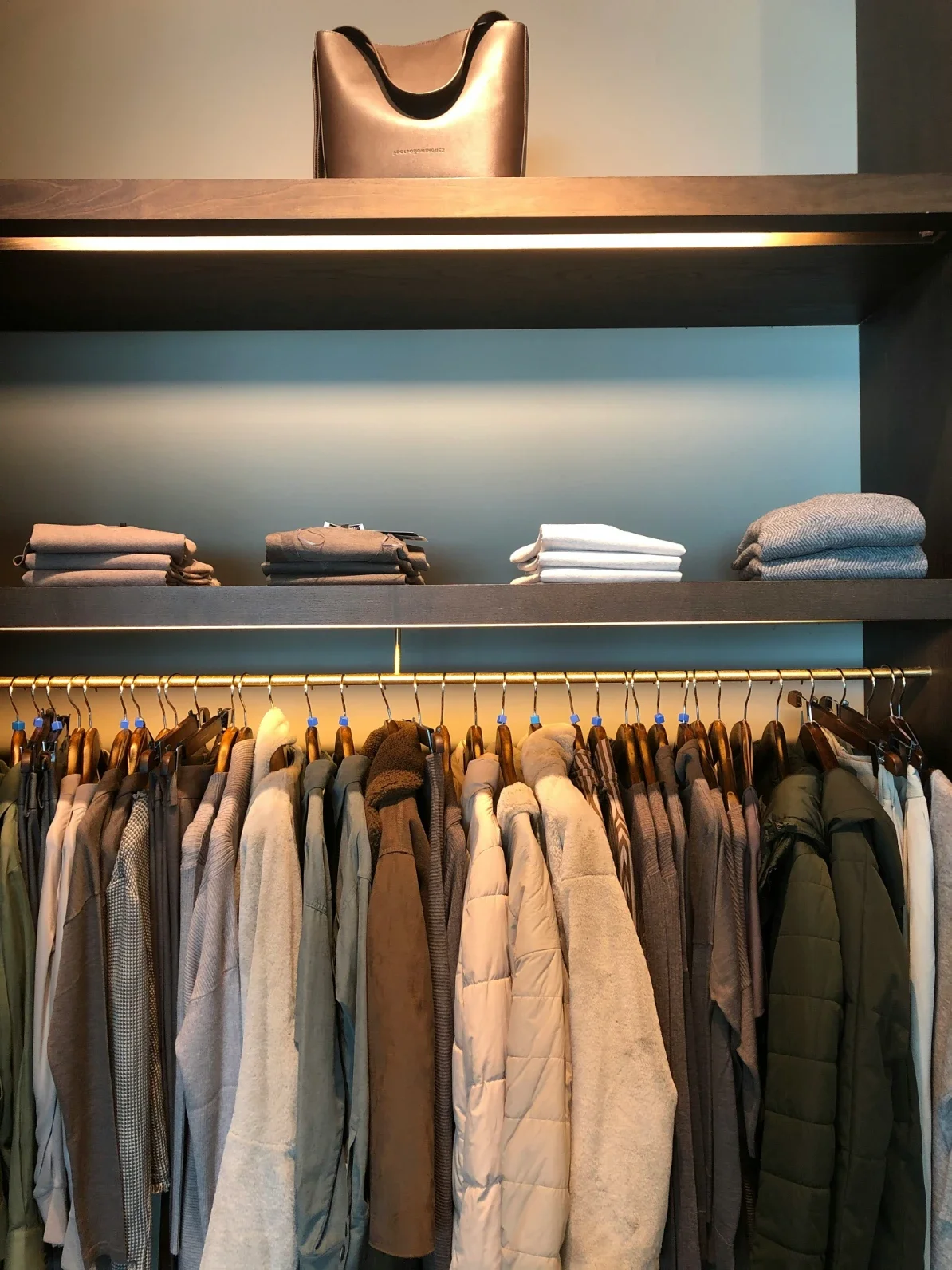
A Smarter Way to Create a Space With Seasonal Clothing Storage
Discover a smarter way to create space with seasonal clothing storage using organization tips, flexible systems, and clutter reducing solutions.

Closet space is limited in most homes, yet wardrobes continue to grow. The real challenge is not owning too many clothes but storing them all in one place at the same time. Seasonal clothing storage offers a practical and realistic solution. By keeping only current season clothing in daily use spaces, closets become easier to manage, more organized, and far more functional.
This approach helps create space without removing clothing you still want or need. This guide explains how seasonal clothing storage helps create more closet space and keeps wardrobes organized throughout the year.
Why Closet Space Becomes a Problem Over Time?
Closet space often becomes a problem because clothes for every season are stored together all year. Over time, unused items take up valuable room, making closets feel crowded and hard to manage. Without rotating clothing or removing off season items, even a well sized closet can quickly lose its functionality.
Wearing Only a Small Portion of Your Wardrobe Regularly
Most people rely on a limited selection of clothing for daily wear. Weather, lifestyle, and routine influence what gets worn regularly, leaving many items untouched for months.
When unused clothes stay in the closet, they take up space that could be better used for clothing you actually wear. This leads to crowded hangers, overfilled shelves, and difficulty finding outfits quickly.
Over time, this habit creates visual clutter and makes it harder to keep closets tidy. The more items compete for the same space, the less organized the closet feels.
Keeping All Seasonal Clothes in One Place
Seasonal clothing varies greatly in size and volume. Cold weather clothing such as coats and thick layers occupies more room than lighter items. When all seasonal clothes are stored together, bulky pieces push everything else into tight spaces.
This makes it difficult to maintain proper spacing for hanging clothes and folding items neatly. As a result, closets lose structure and become harder to manage as seasons change.
Limited Storage Space in Modern Homes
Many modern homes and apartments are designed with limited closet space. While wardrobes grow over time, storage areas often stay the same size. Without additional storage planning, closets are forced to handle more than they are designed for.
This mismatch between clothing volume and available space leads to overstuffed closets. Shelves become crowded, clothes wrinkle easily, and items are often forgotten. Seasonal clothing storage helps address this issue by reducing how much the closet needs to hold at one time.
Understanding Seasonal Clothing Storage
Seasonal clothing storage is not about removing clothes permanently. It is about timing and placement.
Keeping only what you need within reach
The goal is to keep current season clothing easily accessible while moving unused items to a separate storage area. This allows closets to function as active spaces rather than holding areas.
Creating a rotation system that works year round
Seasonal storage follows a simple rotation. As seasons change, stored clothing is swapped with items currently in use. This keeps closets relevant and balanced.
Supporting long term organization habits
When storage is planned around seasons, organization becomes easier to maintain. Closets stay tidy because they are not overloaded.
How Seasonal Clothing Storage Frees Up Closet Space
The impact of seasonal storage is immediate and noticeable.
Reducing competition for hanging and shelf space
With fewer items in the closet, clothes have room to hang properly and shelves can be used without overcrowding. This prevents wrinkles and damage.
Improving layout and structure
Less clutter allows you to organize clothing by category or use. This structure makes it easier to maintain order over time.
Making daily routines smoother
When only relevant clothing is present, choosing outfits becomes faster and more efficient. There is less searching and less disruption.
Identifying Clothes That Belong in Seasonal Storage
Knowing what to store is key to making seasonal storage effective.
Clothing tied to specific weather conditions
Items designed for extreme temperatures are rarely useful outside their season. These clothes take up space when stored year round.
Items worn occasionally or for specific events
Formal wear and event clothing do not need daily access and can be stored safely when not in use.
Clothes not worn in several months
If an item has not been worn for an extended period and does not suit the current season, it likely belongs in storage.
Practical Storage Areas Within the Home
Seasonal clothing storage does not require complex setups.
Using storage containers that protect clothing
Containers help keep clothes clean and grouped together. Choosing breathable or well sealed options protects fabric quality.
Using under bed and high shelf areas wisely
These spaces often go unused but are ideal for clothing that does not need frequent access.
Keeping storage locations consistent
Storing seasonal clothing in the same area each year simplifies rotation and reduces confusion.
Preparing Clothes for Seasonal Storage
Preparation ensures clothes remain ready to wear when seasons change.
Cleaning clothes before storing them
Storing clean clothing prevents stains from setting and helps avoid odor buildup during storage.
Folding and arranging clothing carefully
Neat folding prevents creases and helps maximize storage space without damaging fabric.
Maintaining a dry and stable storage environment
Moisture control is important to protect clothing quality and prevent fabric issues.
Seasonal Clothing Storage for Homes With Limited Space
Small homes benefit greatly from seasonal storage methods.
Reducing volume instead of increasing storage furniture
Seasonal rotation reduces the need for additional storage furniture by lowering how much needs to be stored at once.
Making use of vertical and hidden areas
Vertical storage and low traffic spaces help expand usable storage without cluttering living areas.
Keeping rotation simple and repeatable
A basic system that is easy to repeat each season is more effective than complex storage plans.
Common Mistakes That Limit Storage Benefits
Avoiding these mistakes helps seasonal storage work long term.
Storing clothes without preparation
Skipping cleaning and packing steps can damage clothes during storage.
Overpacking containers
Tightly packed containers increase the risk of wrinkles and fabric stress.
Forgetting what has been stored
Lack of labeling or tracking leads to lost items and unnecessary purchases.
When Additional Storage Becomes Helpful
Some situations require more space than a home can provide.
Living spaces with minimal storage options
Apartments or shared living spaces may benefit from external storage solutions for seasonal clothing.
Storing clothes for extended periods
Long term storage requires stable conditions to preserve clothing quality.
Protecting valuable garments
Certain fabrics and garments benefit from controlled storage environments.
How Seasonal Clothing Storage Improves Daily Life
The benefits go beyond closet organization.
Faster and calmer mornings
An organized closet reduces decision fatigue and saves time during daily routines.
Maintaining consistent order throughout the year
Closets stay manageable because they are never overloaded.
Creating a more comfortable living space
Less clutter contributes to a cleaner and more relaxed home environment.
Conclusion
Seasonal clothing storage is a practical and effective way to create closet space without giving up clothing you still value. By rotating clothes based on seasonal use, closets remain functional, organized, and easier to manage. With thoughtful preparation and simple habits, seasonal clothing storage becomes a reliable solution for maintaining order and improving everyday routines.
Stay up to date with our latest ideas!