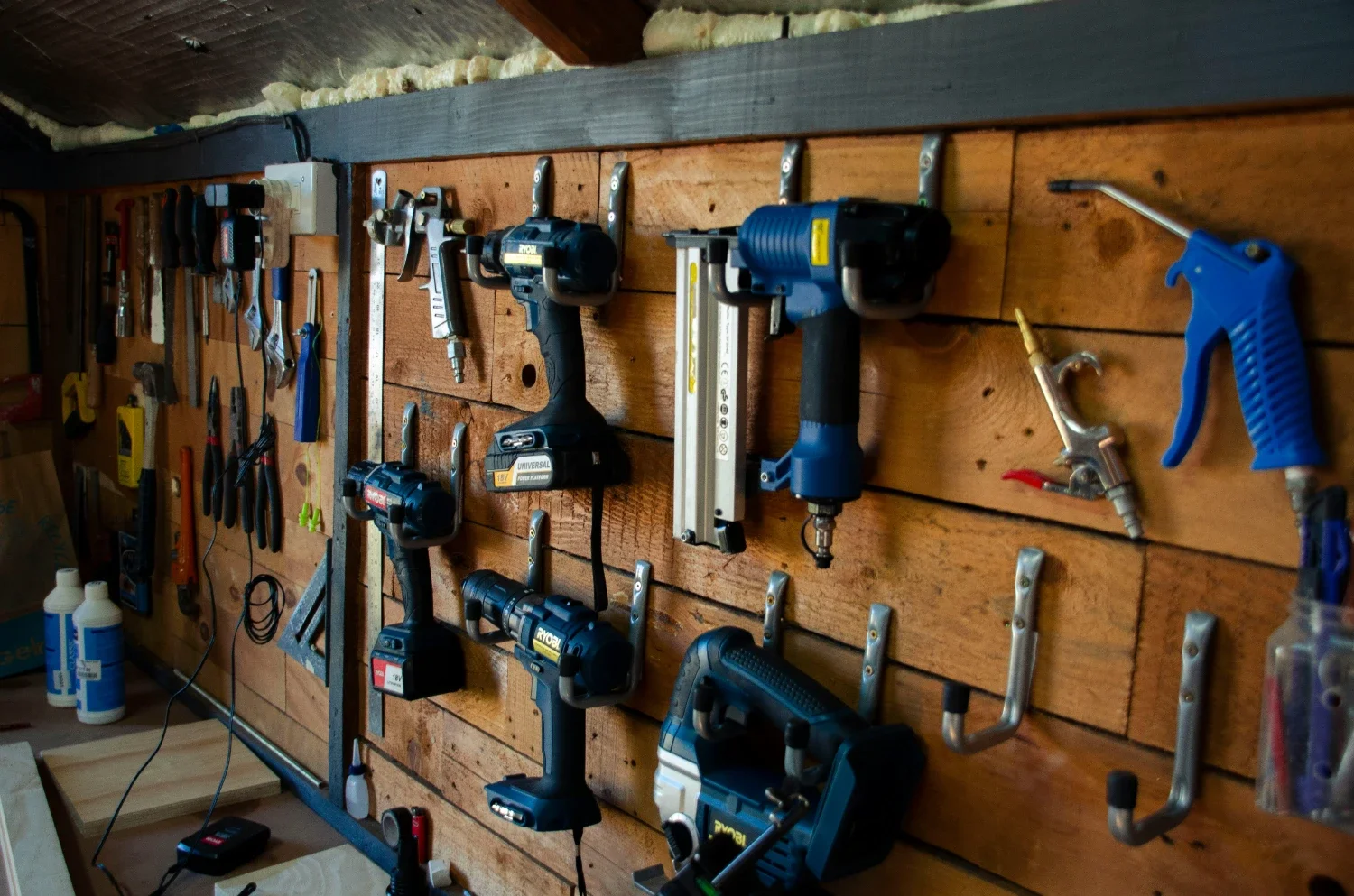
Tool Storage: Keeping Hand Tools, Power Tools, and Gear Organized and Safe
Discover smart tool storage solutions to keep hand tools, power tools, and gear organized, accessible, protected, and safe in your workspace.

There is a particular kind of satisfaction that comes with finally getting your tool collection in order. The workbench clears off, the pegboard fills in, and suddenly your workspace feels like a place where things actually get done. But if you have spent more than a few seasons building up a tool collection, you already know the part nobody talks about. The drills, the saws, the socket sets, the extension cords, and the endless pile of hand tools tend to take over every flat surface in the garage and basement.
A dedicated storage structure keeps all of it in one place, out of the weather, and out of reach of kids and pets. Many people end up turning to garage sheds as a clean, separate space for tools and gear, because the garage itself is usually spoken for and a locked storage building near the house keeps everything close to where you actually work.
Let's walk through how to get your tool storage organized before your next project season starts, so you can spend your time building instead of hunting for the right socket.
Why Tool Storage Deserves Its Own Plan
Tools are a strange category of stuff. They are too valuable for the hall closet, too dirty for the kitchen, and too important to leave sitting in the bed of a truck. Yet most people end up with a system that looks something like this: power drills on the workbench, hand tools piled in a drawer, extension cords draped over a hook, and the circular saw balanced on a shelf where it barely fits.
That setup works for about a week. Then the humidity starts breaking down the metal, the batteries lose their charge, and the hand tools either get buried under other gear or get borrowed and never returned. By midseason, you are replacing gear that should have lasted years.
A real storage plan solves three problems at once. It protects your investment in tools. It keeps sharp and powered equipment away from kids and animals. And it clears the clutter off your workbench so the workspace actually looks like a place to get things done.
Start With a Tool Inventory
Before you organize anything, take stock of what you actually have. Tools are the most important category to get right, because they are the one part of your setup that can cause real harm if they are stored wrong.
Make a list of what you have on hand. Most people who work around the house are working with some combination of cordless drills, circular saws, reciprocating saws, socket sets, wrench sets, screwdrivers, pliers, hammers, extension cords, and a collection of nails, screws, and fasteners. If you do any yard work, you may also have chainsaws, string trimmers, and leaf blowers stacked somewhere.
Once you know what you have, check the condition. Rust on hand tools, cracked insulation on cords, and swollen batteries are all signs that something has been stored poorly. Anything that is rusted beyond use, broken, or past its safe life should be disposed of properly, not just shoved to the back of a drawer.
How to Store Tools Safely
This is the part where a lot of people get into trouble. Tools are not like holiday decorations. They need specific storage conditions, and they need to be kept away from moisture and temperature swings in most cases.
Here are the basics that matter most:
Keep tools in a dry, well-ventilated space. Humidity is the main enemy of metal, and temperature swings cause condensation that leads to rust.
Store power tools with their batteries removed if you will not use them for a while. This extends battery life and prevents accidental starts.
Keep sharp hand tools in a spot where the blades are protected and where nobody will reach in and grab a cutting edge by accident.
Make sure the storage area can be locked. Curious kids and pets are the main reason tool storage needs to be secured.
Keep tools off the floor if you can. A pegboard, shelf, or raised platform keeps them dry if the structure ever takes on any moisture from below.
A dedicated outdoor storage building near the house or workshop is ideal for this, because it keeps the tools out of the living space and out of the garage, where they might sit next to things they should not be near. Just make sure the structure you choose can be locked and that it stays reasonably dry inside.
Organizing Hand Tools
Hand tools are the foundation of any tool collection, and they are also the part that gets out of control the fastest. A single weekend project can leave you with a dozen screwdrivers, three hammers, and a pile of wrenches you forgot you owned.
The trick with hand tools is to group them by type and by how often you use them. The tools you reach for every week should be at eye level and easy to grab. The specialty tools that only come out for specific jobs can go on a higher shelf or in a labeled drawer.
A pegboard is one of the simplest and most effective ways to organize hand tools. You can see everything at a glance, you can rearrange it whenever you want, and you can outline each tool with a marker so you know immediately when something is missing. A few storage bins with lids will change your life here. Clear bins let you see what is inside without opening them, and they keep the small stuff from migrating to the bottom of a pile where nobody can find it.
Storing Power Tools and Accessories
Power tools are the part of tool ownership that feels the most like an investment. This is your drills, your saws, your sanders, your nail guns, and the batteries and chargers that keep them running.
The challenge with power tools is that they are expensive, they are sensitive to moisture, and they often come with cases that take up a lot of room. A storage building with enough headroom and shelf space to keep the cases stacked is a big help. If you can keep the cases on a shelf, you keep them off the floor and you keep the floor space open for everything else.
Keep your chargers and batteries on a shelf where you can grab them quickly. You will use them more often if they are easy to reach, and you are more likely to stay on top of battery maintenance if charging does not feel like a scavenger hunt.
Fasteners, like extra screws, nails, and bolts, do well in a small parts organizer. A simple compartment container keeps the small stuff sorted and dry, and it keeps you from buying a box of screws you already have somewhere in the bottom of a bucket.
Choosing the Right Storage Structure
Not every storage building works well for tools. The location matters, the size matters, and the durability matters. Here is what to think about when you are choosing a structure for tool storage.
First, consider how close it is to where you work. Carrying a heavy circular saw across the yard is no fun. A storage building near the house, or near the garage, saves you steps every single day during project season.
Second, think about size. A small structure fills up fast once you start loading in tool cases, pegboards, and bins. Many people find that a midsize building gives them room to grow, especially if they end up adding tools over the years. Popular sizes in the 10x20 range tend to work well for tool storage, because they leave room for shelving along the walls and open floor space in the middle for a workbench.
Third, look at how the building is built. Tools are sensitive to moisture, and the area around a storage building can get humid. A building with pressure-treated exposed wood holds up better in that environment, because it resists the kind of rot that ruins a shed floor in a few seasons. A solid roof, whether metal or shingles, keeps the rain out and keeps your tools dry. And a building that can be locked is a must if you are storing saws and drills anywhere near where kids play.
Fourth, think about delivery and setup. If you are placing a storage building near your house, you want it delivered and set up without a lot of site work. Some companies offer free delivery and installation within a certain radius, which takes a lot of the hassle out of the process. You may still need to handle ground leveling or a gravel pad if you want one, but the delivery itself should not be a project.
A Few Habits That Keep It Organized All Season
Once you have the storage sorted, the real challenge is keeping it that way. A good storage building makes it easier, but a few habits will keep it from turning into a mess by midsummer.
Put tools away clean and dry. This is the single biggest rule. Wipe down metal surfaces before they go back, and let anything wet dry before it goes inside. Damp tools go into a closed space and stay damp, and that is how you get rust, corroded batteries, and ruined cases.
Restock fasteners before you run out. There is nothing worse than realizing you are out of the screws you need halfway through a project on a Saturday afternoon. Keep a simple list inside the storage building door, and mark off what you are low on before you head to the hardware store.
Do a quick reset once a month. Take ten minutes to put tools back on their hooks, return cases to their spots, and toss anything that is broken or past its prime. A small monthly reset keeps the clutter from building up to the point where it takes a whole weekend to fix.
The Payoff for Getting It Right
Project season is short in a lot of the country. You wait all year for it. The last thing you want is to spend your weekends digging through a pile of loose screws looking for the right driver bit.
A clean, organized storage setup near the house changes the whole experience. You walk out, you open the building, you grab what you need, and you are working in five minutes. The tools stay sharp and dry. The gear lasts longer. The workbench stays clear. And the garage goes back to being a place to park.
That is the real point of tool storage. It is not about the building. It is about the time you get back when you are not spending it looking for the right wrench.
Stay up to date with our latest ideas!