15 DIY Bench Ideas for Stylish and Functional Seating
Build stunning DIY benches with 15 creative ideas! From rustic farmhouse to modern designs, create stylish functional seating affordably.
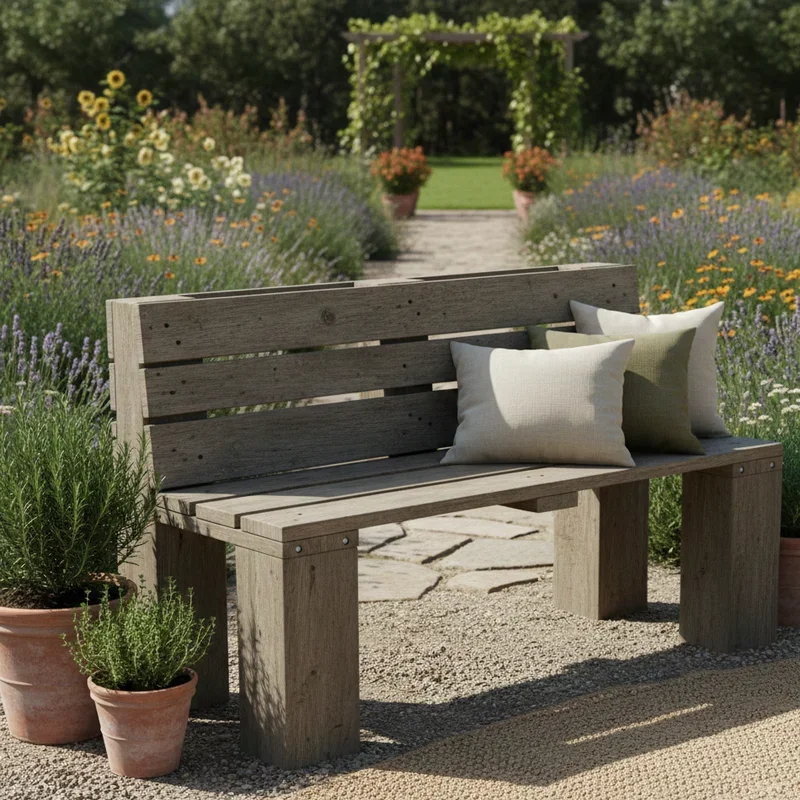
Why spend hundreds on basic store-bought benches when you can build exactly what your space needs while gaining skills and satisfaction that money cannot buy? DIY benches represent woodworking at its most rewarding: projects that serve daily life while showcasing your craftsmanship to everyone who visits! These versatile seating solutions fit anywhere from entryways needing shoe-changing spots to dining rooms craving casual seating alternatives. Think of a bench as furniture's most democratic option, welcoming multiple sitters while adapting to spaces where chairs feel too formal or bulky. The beauty of building your own bench lies in complete customization: exact dimensions fitting specific spots, styles matching existing décor, and materials reflecting your aesthetic vision rather than settling for what stores happen to stock. From simple two-board constructions perfect for absolute beginners to elaborate designs challenging experienced woodworkers, bench projects exist at every skill level. Ready to discover how lumber, creativity, and willing hands combine into seating that serves your home beautifully for decades? Let's explore these inspiring ideas!
1. Classic Farmhouse Bench Designs
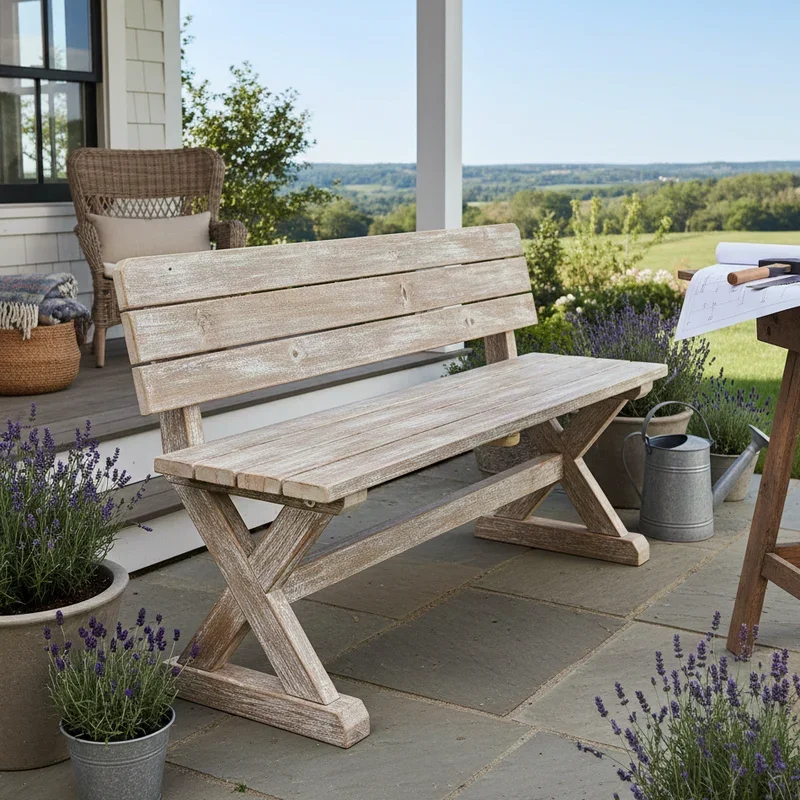
Build timeless seating through farmhouse bench designs that celebrate traditional craftsmanship while providing substantial functionality! These classic constructions feature thick plank seats supported by sturdy leg assemblies, creating silhouettes that have served homes for centuries. The substantial proportions communicate quality and permanence that flimsy furniture cannot match. Choose pine for budget-friendly builds or hardwoods for heirloom-quality pieces lasting generations. Distressed finishes add authentic farmhouse character while hiding imperfections that beginners inevitably create during learning processes. These versatile benches work at dining tables, in entryways, or along hallways wherever sturdy seating serves daily life. The straightforward construction teaches fundamental joinery techniques that transfer to countless future woodworking projects.
2. Modern Hairpin Leg Styles
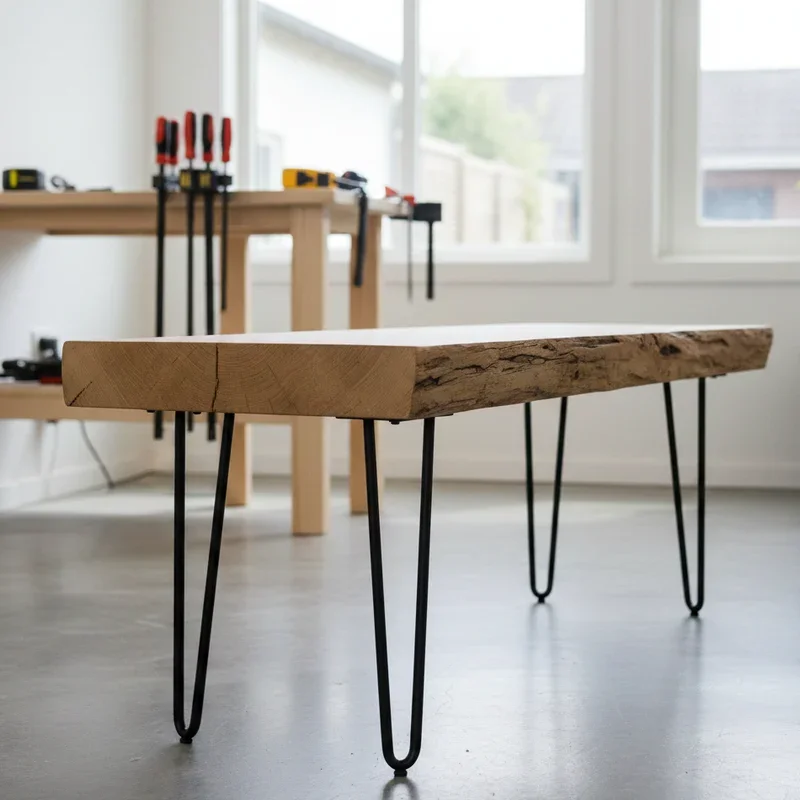
Achieve contemporary elegance through benches featuring hairpin legs that bring mid-century modern aesthetic to any space! These distinctive metal legs, available affordably online, attach easily to wooden tops creating instant designer furniture without complex joinery requirements. The minimalist profiles create visual lightness that traditional leg constructions cannot achieve. Choose single plank tops for sleek simplicity or laminated boards for wider seating surfaces. The exposed metal contrasts beautifully against natural wood, creating interest through material juxtaposition. These accessible projects suit beginners wanting impressive results without advanced skills. Consider various hairpin styles from two-rod basics to more elaborate three-rod designs depending on desired aesthetic. The industrial-meets-organic combination suits modern homes seeking warmth within contemporary frameworks.
3. Storage Bench Practical Solutions
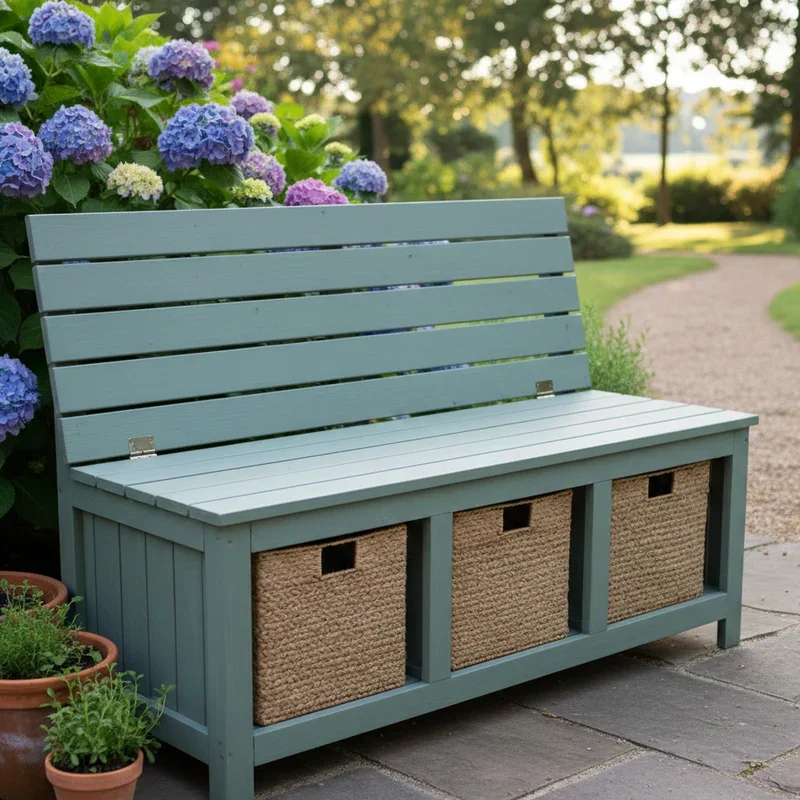
Maximize functionality through storage benches that provide seating while hiding clutter beneath hinged or removable tops! These dual-purpose pieces suit entryways needing shoe storage, bedrooms lacking closet space, and anywhere seating and storage requirements overlap. Build box constructions with interior cavities accommodating baskets, bins, or direct storage depending on organizational preferences. Piano hinges enable smooth lid operation while safety hinges prevent crushing fingers when tops close unexpectedly. Consider dividing interior spaces for organized storage that prevents items from mixing chaotically. These intermediate projects teach box construction techniques while producing genuinely useful furniture. The added functionality justifies construction time beyond simple seating alternatives that serve single purposes.
4. Entryway Mudroom Benches
Design purpose-built seating for entryway and mudroom applications where shoe changing and gear organization happen daily! These specialized benches feature lower shelf space for footwear storage, sturdy construction withstanding heavy use, and often incorporate hooks or cubbies for comprehensive entry organization. Position bench height specifically for comfortable shoe removal rather than standard seating dimensions. Consider water-resistant finishes protecting against wet boots and snowy gear during winter months. These practical benches transform chaotic entryways into organized transition zones that improve daily life significantly. Build benches matching specific entryway dimensions rather than adapting standard furniture to unique spaces. The customization enables maximum storage within available footprints.
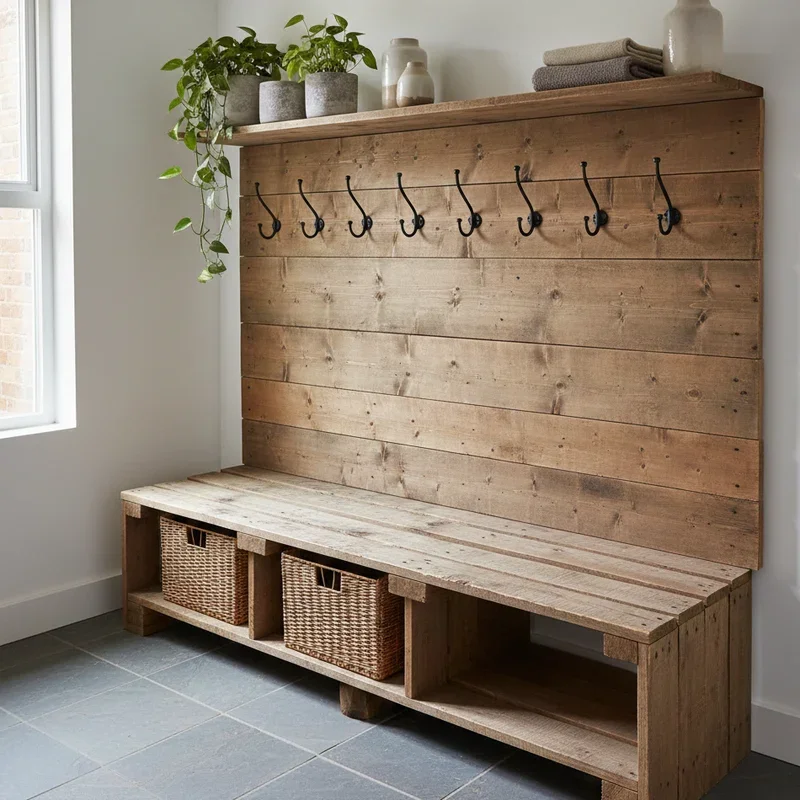
5. Outdoor Garden Bench Builds
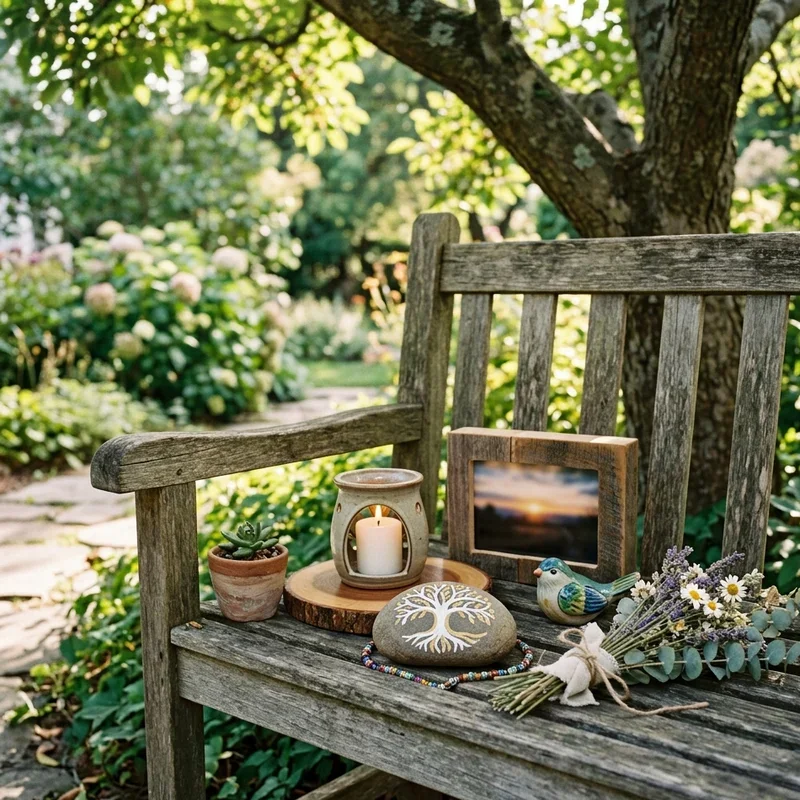
Create lasting outdoor seating through garden benches constructed from weather-resistant materials that withstand seasons of exposure! Cedar, redwood, and pressure-treated lumber resist rot naturally, extending outdoor furniture lifespan significantly beyond untreated alternatives. Consider classic slat designs that allow water drainage while providing comfortable seating surfaces. Angled backs transform simple benches into chairs that invite lingering in gardens rather than quick rest stops. Apply outdoor finishes protecting wood from UV damage and moisture penetration. Position garden benches at viewpoints showcasing favorite landscape features or beneath shade trees creating relaxation destinations. These outdoor projects demonstrate how material selection adapts basic designs to specific environmental requirements.
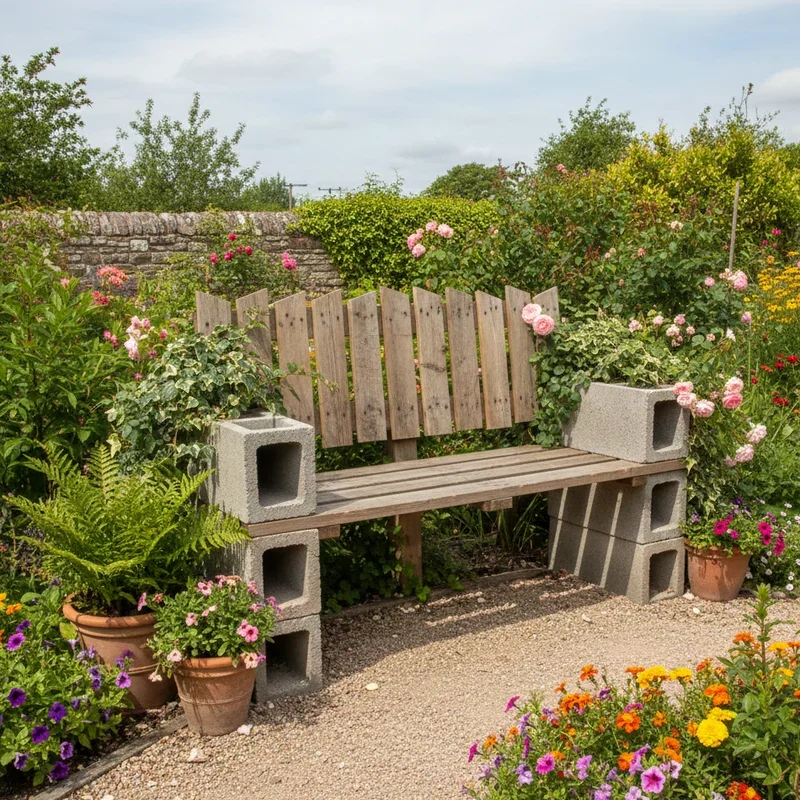
6. Upholstered Cushion Top Designs
Add comfort through upholstered bench tops that bring softness to wooden bases while enabling fabric customization matching room décor! Construct solid wooden bench frames, then top with foam padding wrapped in durable upholstery fabric. The cushioned surface transforms hard wooden seating into comfortable resting spots that invite lingering. Choose performance fabrics for high-traffic areas where spills and wear demand durability beyond decorative textiles. Consider removable cushions for washing and seasonal fabric changes, or permanently attached upholstery for cleaner profiles. These projects combine woodworking and basic upholstery skills, building capabilities in multiple craft areas simultaneously. The soft tops particularly suit bedroom foot-of-bed positions and window seat applications.
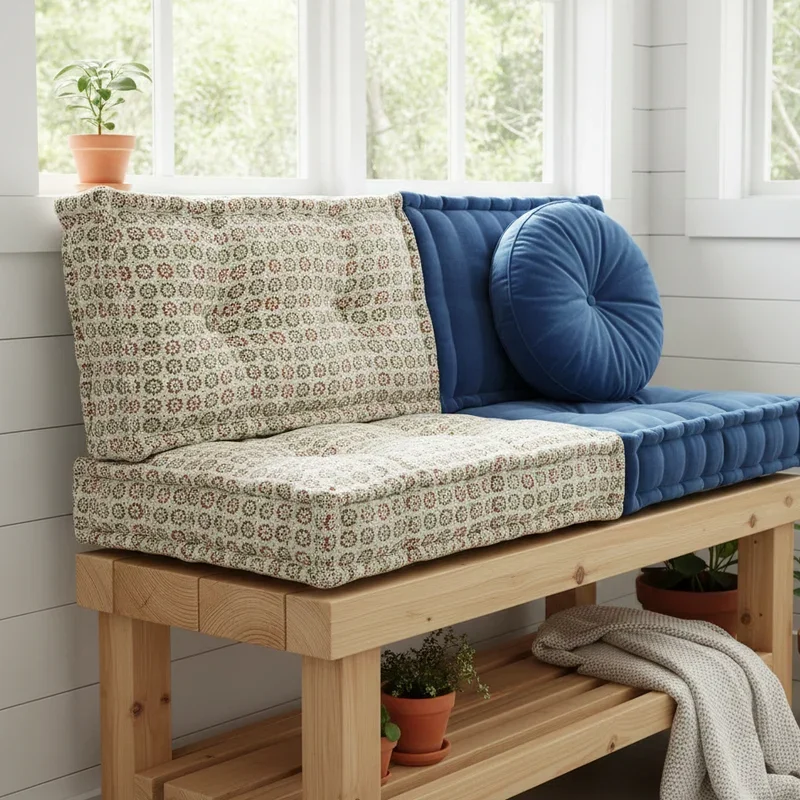
7. Cinder Block Simple Constructions
Build incredibly simple benches using cinder blocks and lumber requiring absolutely no tools beyond willingness to stack and place! Position concrete blocks as leg supports, then rest boards across tops creating instant seating within minutes. The industrial aesthetic suits contemporary and urban spaces where refined furniture would feel inappropriate. Painted blocks in coordinating colors elevate basic constructions beyond purely utilitarian appearances. These budget-friendly projects suit absolute beginners, temporary needs, and outdoor applications where weather exposure would damage finer furniture quickly. Consider weighing down blocks for stability on uneven surfaces or in windy locations. The modular nature allows easy reconfiguration as needs change, unlike permanent constructions requiring disassembly for modification.
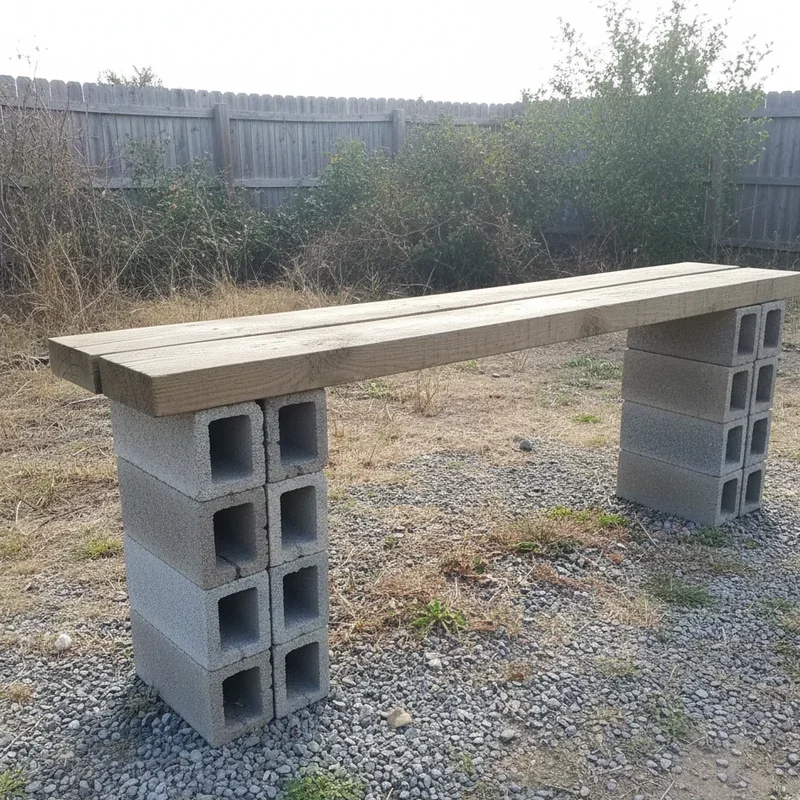
8. Live Edge Natural Slab Benches
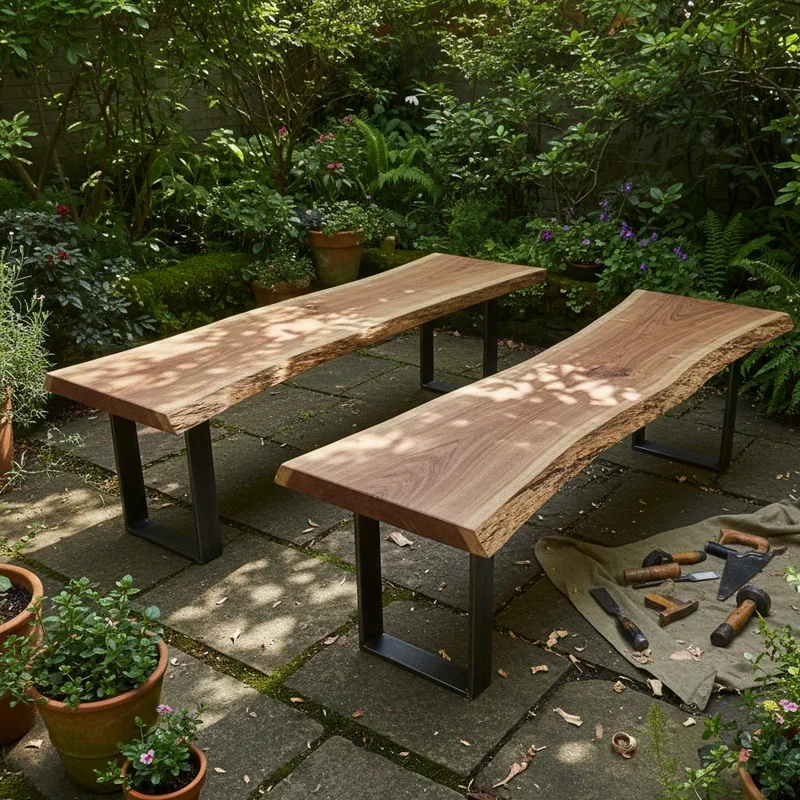
Celebrate wood's organic beauty through live edge benches that preserve natural bark edges creating one-of-a-kind seating! These distinctive pieces showcase wood grain patterns and natural irregularities that milled lumber removes entirely. Source slabs from local sawmills, specialty lumber dealers, or fallen trees on your own property. The unique character of each slab ensures no two live edge benches look identical regardless of similar construction methods. Simple hairpin or metal legs let slab beauty remain focal point without competing visual elements. Seal and finish slabs protecting surfaces while maintaining natural character. These nature-inspired benches suit rustic, organic modern, and anywhere celebrating natural materials feels appropriate.
9. X-Leg Statement Designs
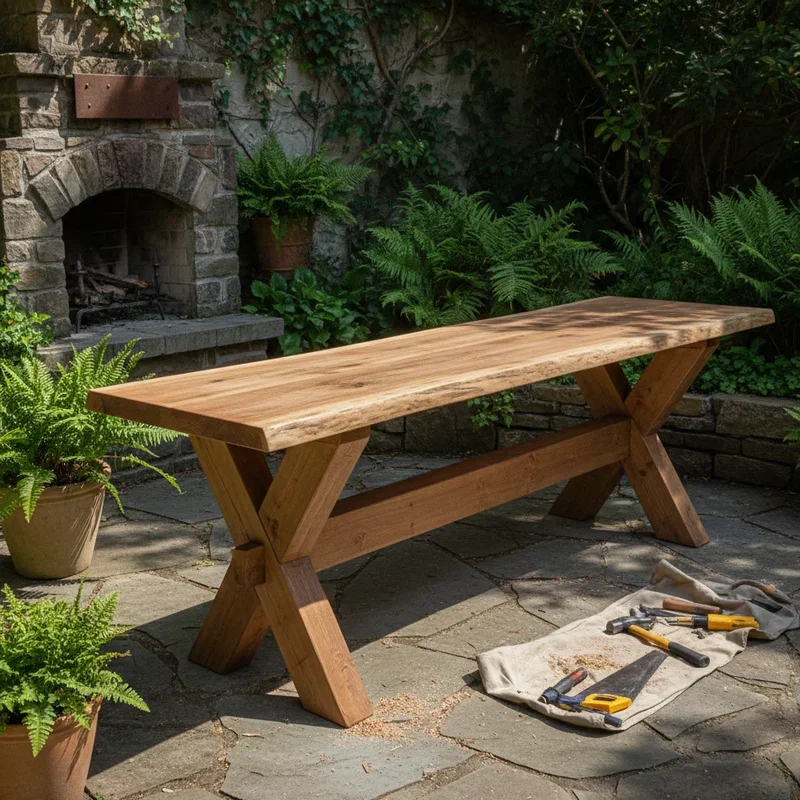
Create visual interest through X-leg bench designs that transform structural elements into decorative focal points! These striking bases feature crossed leg assemblies that add geometric drama while providing stable support. The construction requires accurate angle cuts and careful assembly but rewards effort with truly impressive results. Consider contrasting leg finishes against seat tops: painted white X-legs beneath natural wood planks create particularly popular combinations. The substantial presence of X-leg designs commands attention that simple straight-leg alternatives cannot achieve. These intermediate projects challenge developing woodworkers while producing showpiece furniture worthy of prominent room positions. Plan carefully before cutting, as angle accuracy determines both visual appeal and structural stability.
10. Repurposed Headboard Benches
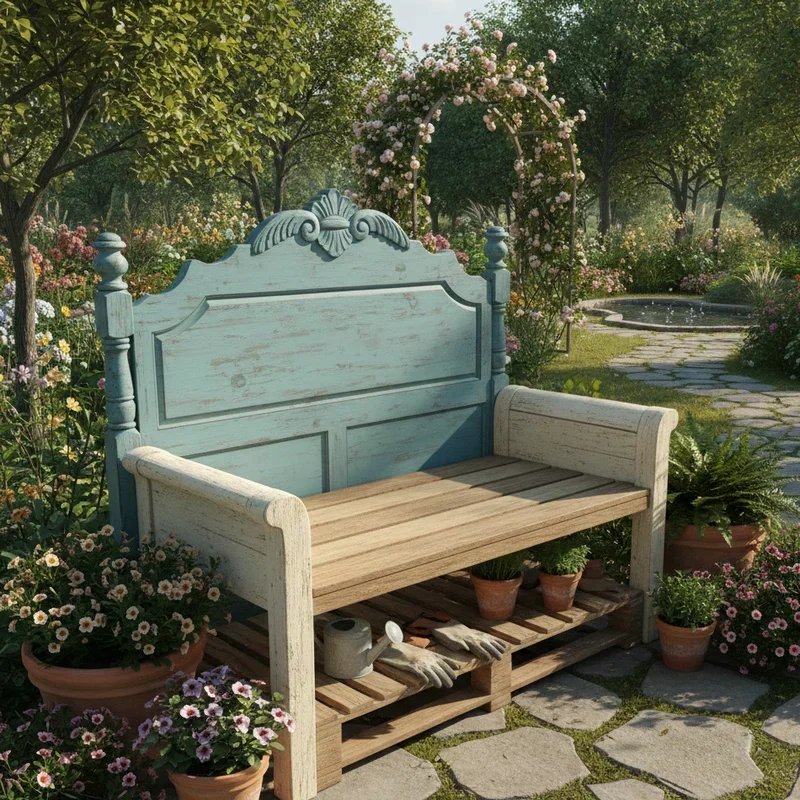
Transform discarded headboards into characterful benches that repurpose beautiful furniture rather than sending it to landfills! Old bed headboards already feature finished surfaces, decorative details, and sturdy construction that starting from scratch would require significant effort to achieve. Cut headboards to bench widths, add seat surfaces spanning between decorative posts, and create new furniture from old components. The technique particularly suits ornate antique headboards whose craftsmanship modern furniture rarely matches. Paint unified colors hiding original wood tones or celebrate patina that age develops naturally. These sustainable projects appeal to environmentally conscious crafters who appreciate creative reuse over new material consumption. Hunt yard sales, thrift stores, and curbside discards for headboard candidates awaiting transformation.
11. Industrial Pipe and Wood Styles
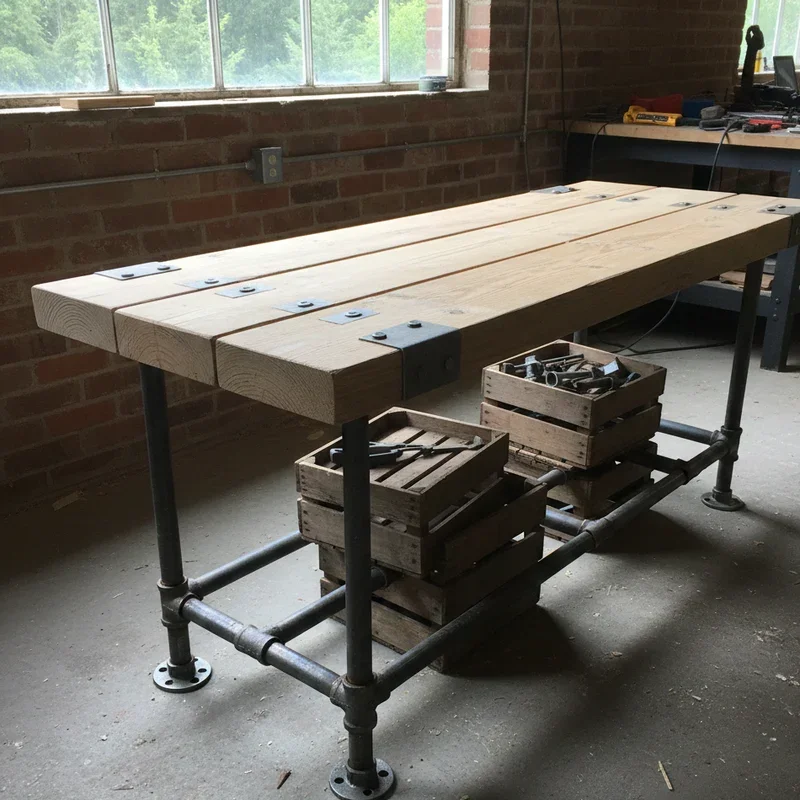
Combine plumbing materials with lumber through industrial pipe benches that celebrate raw materials honestly displayed! Black iron pipes available at hardware stores connect using standard fittings, creating sturdy leg assemblies without welding or specialized metalworking skills. Thick wooden planks resting across pipe supports provide comfortable seating surfaces with substantial visual weight. The exposed hardware becomes design feature rather than hidden necessity, celebrating construction rather than concealing it. These urban-industrial pieces suit loft spaces, contemporary homes, and anywhere factory-chic aesthetics feel appropriate. Customize dimensions exactly to your space through pipe length selection matching specific requirements. The modular nature enables easy disassembly for moving and storage.
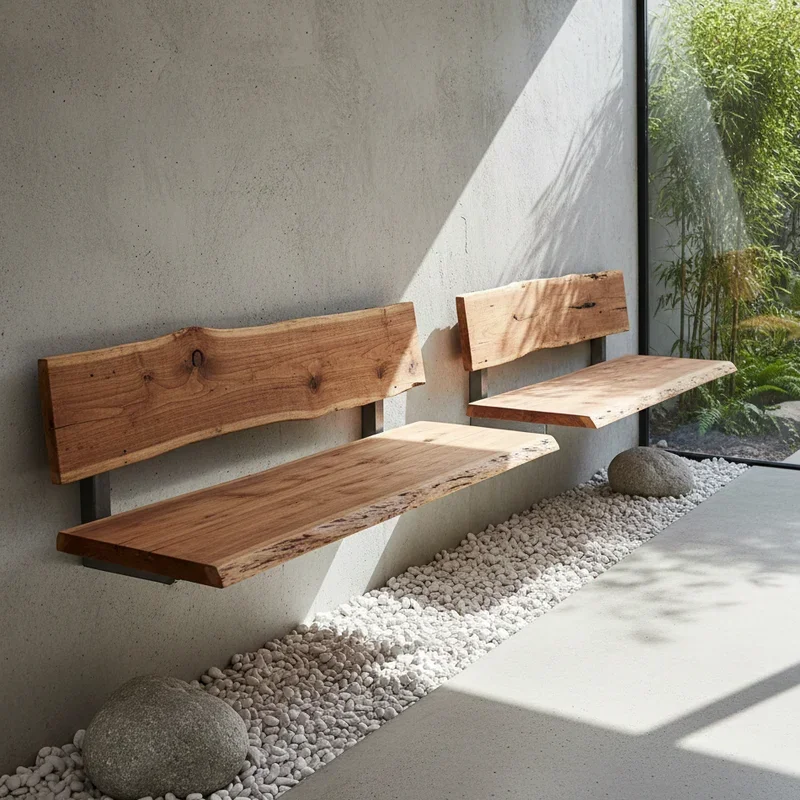
12. Floating Wall-Mounted Benches
Maximize floor space through floating benches that mount directly to walls without legs consuming valuable square footage below! Hidden cleat systems support substantial weight while remaining invisible once benches install. These space-efficient designs particularly suit small entryways, narrow hallways, and anywhere floor space remains precious. The floating effect creates visual lightness that legged alternatives cannot achieve regardless of design elegance. Ensure proper wall anchoring into studs for safety when supporting human weight. Consider floating benches in shower areas, mudrooms, or anywhere wet conditions would rot conventional bench legs over time. These sophisticated projects require careful planning but reward effort with genuinely useful results in challenging spaces.
13. Window Seat Built-In Designs
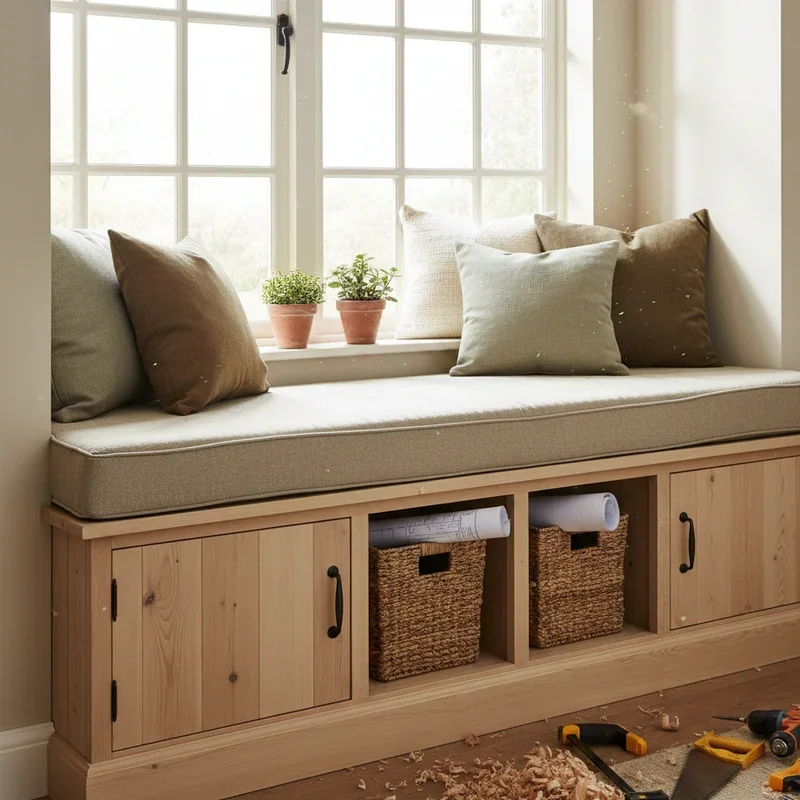
Transform awkward window areas into cozy reading nooks through built-in window seat benches that maximize architectural features! These custom installations fit precisely within window alcoves, providing seating while creating storage beneath hinged or lift-out tops. Cushion surfaces transform hard wooden boxes into comfortable lounging spots that invite lingering with books and coffee. The built-in nature creates seamless integration that freestanding furniture cannot achieve regardless of careful placement. Measure window areas carefully, as custom dimensions define built-in success. These intermediate projects combine bench construction with basic cabinetry techniques. The resulting features add genuine property value while dramatically improving daily life quality.
14. Pallet Wood Rustic Benches
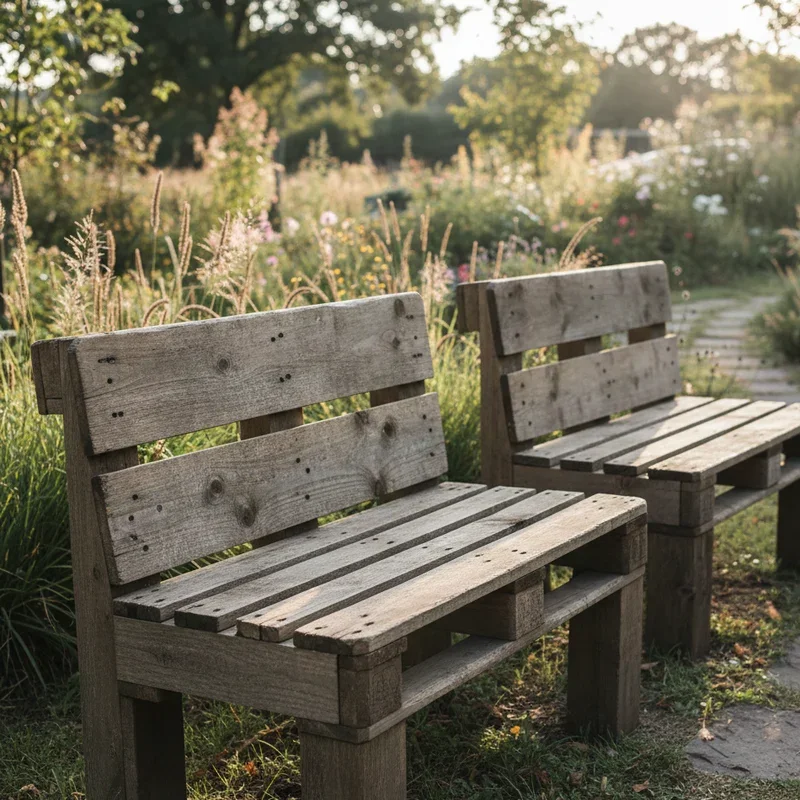
Build characterful benches from free pallet wood that brings instant aged appearance impossible to achieve through artificial distressing! Disassemble pallets carefully, salvaging boards for bench construction while discarding damaged pieces. The weathered character and varied wood tones create visual interest that uniform lumber lacks entirely. Construct simple designs that showcase material character rather than elaborate joints that distract from rustic appeal. Sand surfaces sufficiently preventing splinters while preserving patina that makes pallet wood special. These budget-friendly projects suit those prioritizing sustainability and character over refined aesthetics. The accessible material costs encourage experimentation without financial pressure that expensive lumber creates.
15. Concrete and Wood Modern Builds
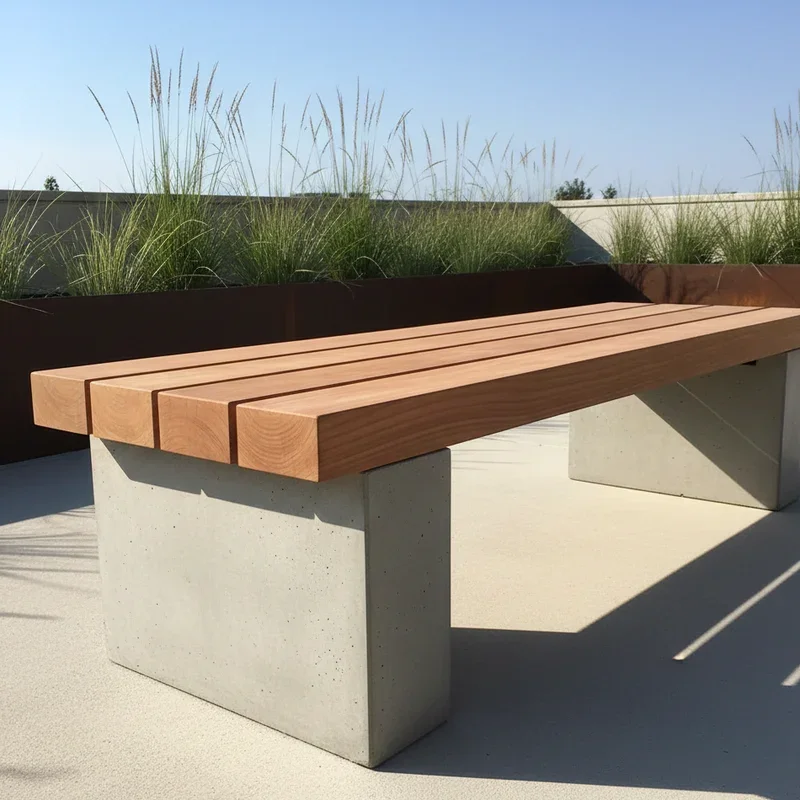
Achieve striking contemporary aesthetics through benches combining concrete and wood in unexpected juxtapositions! Cast concrete legs or bases using simple formwork, then attach wooden seat surfaces creating material contrasts that command attention. The industrial weight of concrete grounds designs while warm wood provides comfortable seating surfaces. These advanced projects require learning basic concrete casting techniques alongside woodworking skills. Consider precast concrete alternatives available at home centers for simpler approaches achieving similar aesthetics. The material combination suits modern, industrial, and minimalist spaces where traditional wooden furniture would feel stylistically inappropriate. These statement pieces become conversation starters that distinguish your home from conventionally furnished alternatives.
Conclusion
DIY benches combine practical seating solutions with creative expression, producing furniture that serves daily life while showcasing the maker's skill and vision. From simple cinder block constructions to elaborate live edge designs, these projects span every skill level while delivering results that outperform store-bought alternatives in customization and character. The satisfaction of sitting on something your own hands created adds meaning that purchased furniture cannot provide. Whether building your first woodworking project or challenging established skills with advanced techniques, bench construction rewards effort with genuinely useful furniture lasting decades. Now gather your tools and materials, then start building the seating your home deserves!
Read next: 15 Easy Craft Ideas to Spark Your Creativity
Frequently Asked Questions
Q1: What tools do I need for basic DIY bench building?
A: Essential tools include circular saw, drill, measuring tape, square, clamps, and sandpaper for most projects.
Q2: What wood species works best for indoor benches?
A: Pine offers affordability, oak provides durability, poplar accepts paint beautifully, and walnut delivers luxury aesthetics.
Q3: How do I determine proper bench height?
A: Standard bench height measures 17-19 inches for dining; entryway benches work best at 18-20 inches typically.
Q4: Can beginners successfully build DIY benches?
A: Yes, simple designs like cinder block or hairpin leg benches require minimal skills and produce excellent results.
Q5: How much weight should DIY benches support safely?
A: Well-constructed benches should support 300-500 pounds; use appropriate joinery and materials for safety always.
Stay up to date with our latest ideas!